Iran rejects US ceasefire plan, instead proposing its own
Tehran issues conditions including reparations and Hormuz control, as Washington deploys troops and Israel intensifies strikes
© Anadolu Agency
TEHRAN, Iran (MNTV) — Iran has rejected a United States-backed ceasefire proposal and escalated its military response across the region, as Washington and Israel intensify a war that continues to destabilize the Middle East.
Iranian officials dismissed a 15-point US plan relayed through Pakistan, describing it as unrealistic and heavily skewed toward American and Israeli strategic interests.
Iranian broadcaster Press TV cited an official saying Tehran would only end the war on its own terms and would continue delivering “heavy blows” across the region.
The Iranian counter-proposal includes five main conditions: an immediate halt to targeted assassinations of its leadership, guarantees against future attacks, and war reparations.
It also demands a complete end to hostilities and recognition of Iran’s control over the Strait of Hormuz, a critical global oil shipping route.
The rejection comes as the United States ramps up its military presence, deploying around 1,000 troops from the 82nd Airborne Division alongside thousands of Marines and naval personnel.
Analysts say the buildup reflects Washington’s continued preference for military pressure over meaningful diplomacy.
At the same time, Israel has carried out fresh airstrikes on Tehran and other locations, including a facility in Isfahan, while continuing its broader campaign that has targeted Iranian infrastructure and leadership.
Critics argue the strikes have undermined any genuine prospects for negotiations.
Iran responded with missile and drone attacks targeting Israel and multiple Gulf states hosting US military assets.
In Kuwait, a drone strike hit a fuel tank at the international airport, triggering a large fire, while air defense systems were activated across Bahrain and Saudi Arabia.
Tehran’s position reflects deep mistrust of Washington, particularly following previous instances where negotiations coincided with military escalation. Iranian officials have repeatedly described US diplomacy as unreliable, pointing to attacks carried out during earlier talks.
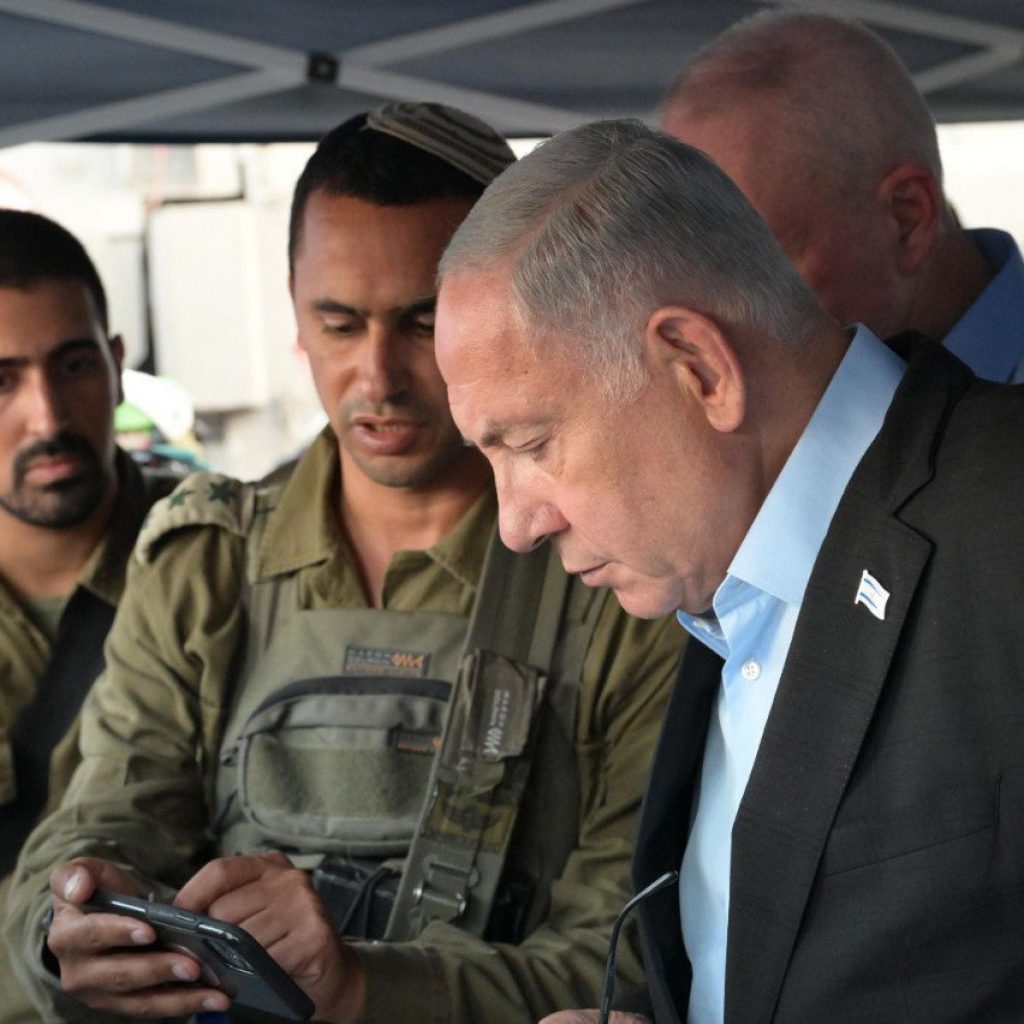
Despite claims by US President Donald Trump that negotiations are ongoing, Iranian authorities have denied formal engagement, exposing contradictions in Washington’s narrative of diplomacy.
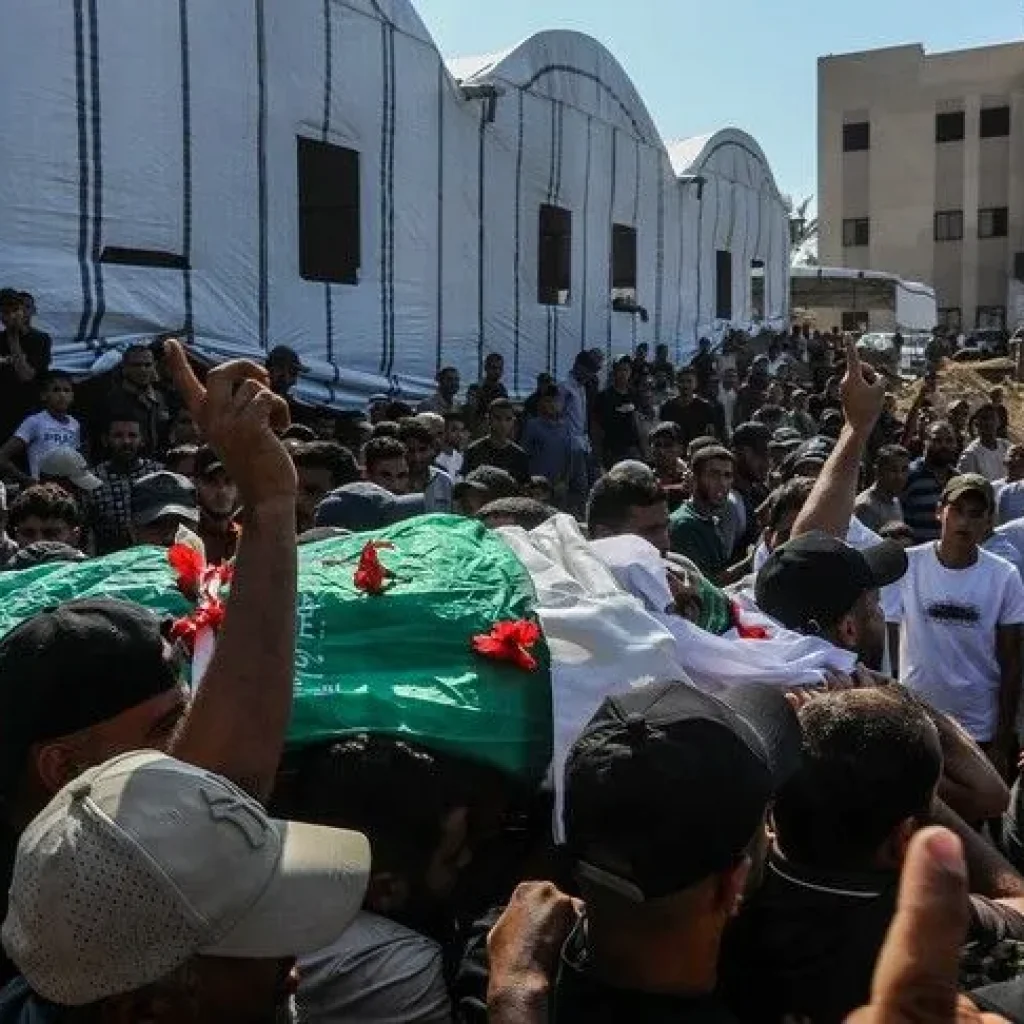
The war, which began with US-Israeli strikes on Iran in late February, has already caused significant casualties. Iranian authorities report more than 1,500 deaths, while casualties have also been recorded in Israel, Lebanon, Iraq and across Gulf states.
Meanwhile, global energy markets remain under pressure as Iran maintains tight control over the Strait of Hormuz, restricting access for vessels linked to the United States and its allies.
Oil prices, which surged earlier in the conflict, remain elevated, raising fears of prolonged economic fallout worldwide.
Observers warn that continued US-Israeli military escalation, combined with maximalist demands placed on Iran, risks prolonging the conflict and further destabilizing the region, with little indication of a credible path toward de-escalation.

Read also