Day 26: Fresh strikes hit Iran as region reels under mounting toll
Escalation widens across Iran, Israel, Iraq, and Lebanon as casualties mount and diplomacy struggles to contain the war
© Anadolu Agency
ANKARA, Türkiye (MNTV) — Fresh airstrikes and retaliatory attacks marked the 26th day of the U.S.–Israel war on Iran, with violence spreading across multiple fronts and the humanitarian toll rising sharply across the Middle East.
Early Wednesday, a residential building in Iran’s Alborz province, west of Tehran, was struck in a joint U.S.–Israeli attack, wounding at least 18 people, according to local authorities.
The strike underscored a continuing pattern of targeting sites near population centers, raising concerns about civilian safety as the conflict enters its fourth week.
Explosions were reported across Iran, Israel, and parts of the Gulf overnight, as Tehran responded with fresh waves of missiles and drones aimed at Israeli territory and U.S.-linked military installations across the region. Air defense systems were activated in multiple countries, including Gulf states hosting American forces, reflecting the widening geographical scope of the war.
The conflict began on Feb. 28 with coordinated U.S. and Israeli strikes on Iranian targets. Since then, the scale of military engagement has expanded significantly, drawing in multiple actors and creating what analysts warn could become a prolonged regional war.
The humanitarian cost continues to climb.
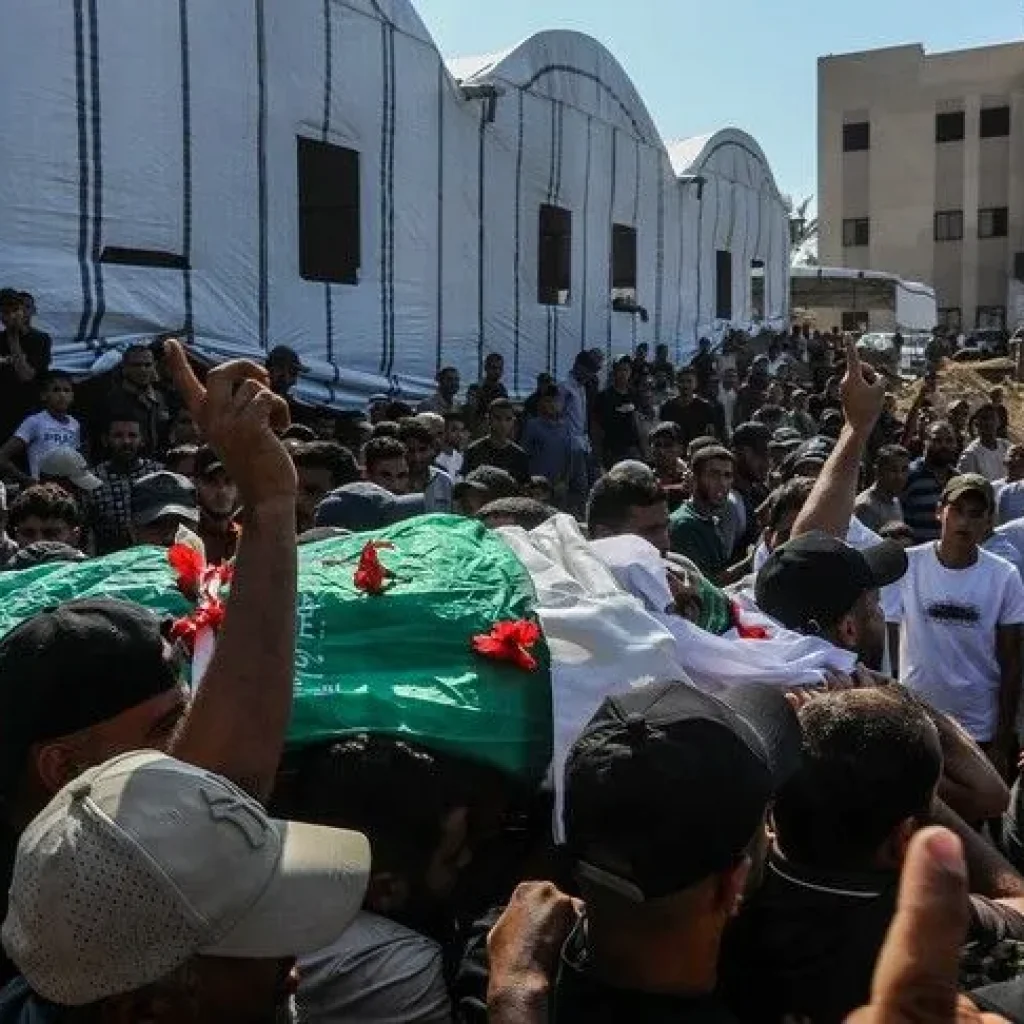
Iran’s Health Ministry says at least 1,500 people have been killed and 18,551 injured since the start of the conflict. The victims span a wide demographic range, from infants to the elderly. Among the dead are at least 200 women and hundreds of children.
One of the deadliest incidents occurred in the southern city of Minab, where a strike on a girls’ elementary school killed more than 160 children, according to Iranian officials. The attack has drawn widespread condemnation and intensified scrutiny of targeting practices.
Healthcare infrastructure has also been hit. Iranian authorities report that at least 55 healthcare workers have been wounded and 11 killed, including physicians, nurses, and emergency responders. Hospitals in several provinces are reportedly operating under extreme strain, with shortages of medical supplies and personnel.
In Lebanon, Israeli attacks have killed at least 1,072 people, including 121 children, and wounded nearly 3,000 others, according to the country’s Health Ministry. The escalation has triggered a massive displacement crisis, with more than one million people forced to flee their homes.
Entire communities in southern Lebanon and parts of Beirut’s southern suburbs have been emptied, as families seek refuge in schools, public buildings, or with relatives in safer areas. Aid agencies warn that the scale of displacement is overwhelming local capacities.
Iraq has also emerged as a key front in the conflict.
An overnight strike on a military base in Anbar province killed seven security personnel and injured 13 others, according to the Iraqi Defense Ministry. The strike reportedly hit a military healthcare facility within the base, complicating rescue efforts.
The base hosts a mix of Iraqi army units, police forces, and members of the Popular Mobilisation Forces, a paramilitary umbrella group. Iraqi officials say at least 82 people have been killed in the country since the conflict began, many of them affiliated with the PMF.
The United States has not publicly confirmed responsibility for all strikes in Iraq, but tensions remain high, particularly after the PMF accused Washington of targeting its positions. The situation highlights Iraq’s vulnerability as a battleground for proxy confrontations.
In Israel, authorities say at least 18 people have been killed and more than 4,800 injured in Iranian missile and drone attacks. The number of hospital admissions linked to the conflict has now surpassed 5,000, according to the Israeli Health Ministry.
In the past 24 hours alone, 204 injured individuals were admitted to hospitals, though officials note that not all injuries were directly caused by missile strikes. Some were sustained while civilians rushed to shelters during air raid sirens.
Despite Israel’s advanced air defense systems, repeated barrages have strained response capabilities and disrupted daily life across major cities.
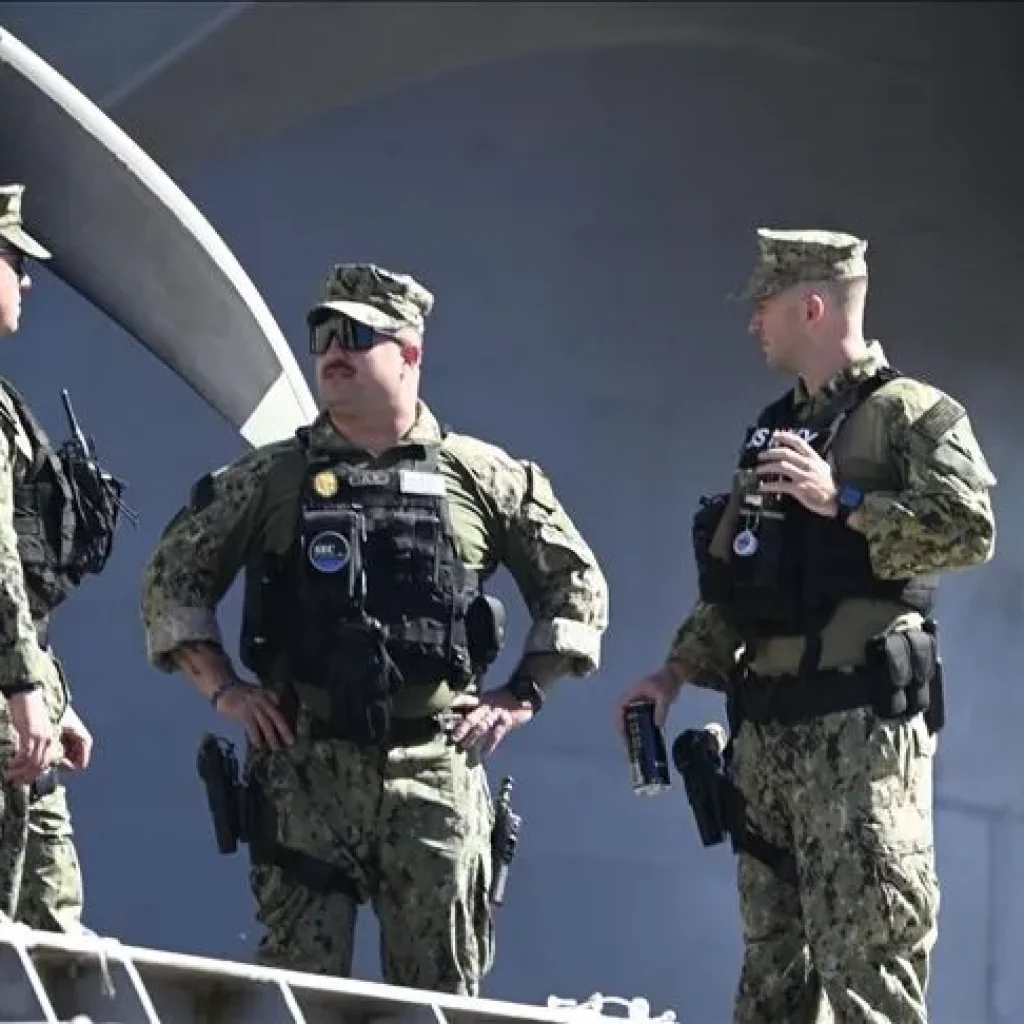
The U.S. military has confirmed 13 troop fatalities across the region since the conflict began. One additional service member died in Kuwait due to what officials described as a “health-related incident.”
American forces remain deployed across a network of bases in the Middle East, with an estimated 40,000 to 50,000 troops stationed in countries such as Qatar, Bahrain, Kuwait, the United Arab Emirates, and Saudi Arabia. These bases serve as critical hubs for air operations, logistics, and intelligence.
Several of these installations have come under threat from Iranian missiles and drones, raising concerns about the safety of U.S. personnel and the potential for further escalation.
The conflict is also impacting international forces. In Iraq’s Erbil region, a chief warrant officer was killed during an attack that also injured several French soldiers, according to local security sources.
Beyond the battlefield, diplomatic efforts are intensifying but have yet to produce a breakthrough. Türkiye has stepped up its engagement with Gulf Arab states in an effort to prevent a broader regional alignment against Iran.
Turkish Foreign Minister Hakan Fidan has held talks with officials in Saudi Arabia, the United Arab Emirates, and Qatar, urging restraint amid growing anger over Iranian strikes on energy infrastructure, ports, and airports.
According to officials familiar with the discussions, Ankara is seeking to prevent Gulf countries from becoming directly involved in the conflict, a move that could dramatically escalate hostilities.
The war’s economic implications are also becoming more visible. Energy markets remain volatile, with concerns mounting over potential disruptions to key supply routes, particularly in the Gulf. Shipping and insurance costs have risen, and regional trade flows are under pressure.
Analysts warn that prolonged instability could have global repercussions, especially if critical energy infrastructure is targeted or if maritime routes are disrupted.
As the war enters its 26th day, the risk of further escalation remains high. With multiple fronts active, rising civilian casualties, and limited diplomatic progress, the war shows little sign of slowing.
For civilians across the region, the immediate reality is one of uncertainty, displacement, and loss, as the conflict continues to reshape the Middle East’s security landscape.


Read also