“Mamdani-style” Public Grocery Stores Coming to Toronto.
The saying “the public has a short memory” seems to apply perfectly to Canadians. The issue of rising food prices is not new; it has been investigated, written about, and discussed in various public forums. However, these discussions rarely lead to action. Both federal and provincial governments make trivial pro-consumer statements and issue vague legislation aimed at businesses, but then they quietly withdraw from the conversation, allowing the status quo to continue for grocery stores.
On the other hand, these stores have a long list of scapegoats to blame, from food manufacturers and supply chains to global conflicts, climate change, and labor costs. When it comes to their profits, they claim their profit margins are “razor thin“—a grossly misleading statement. The reality is that their profits have nearly doubled since the pandemic, forcing working Canadians to make tough choices between paying rent and buying groceries.
The Truth:
The idea of “razor-thin” net margins is a myth.
Before the pandemic, Canadian grocery retailers averaged net profit margins of 1.25% to 2.5% of their revenue. Since mid-2021, those margins have consistently exceeded 3% and even reached nearly 6% in early 2021, according to Statistics Canada. It’s an oligopoly, and there’s no denying it. Loblaw, Empire, and Metro control roughly 67% of all grocery sales in Canada, and that figure rises to 80% when Costco and Walmart are added.
This concentration gives these companies significant power over pricing, supplier terms, and shelf space. In 2023, the Canadian Competition Bureau rightly recommended increasing competition to address these issues, but most foreign grocers are hesitant to enter a market that appears dominated by a ‘grocery mafia’.
High prices are not the only way these stores and their suppliers achieve high profits. There’s a phenomenon called “shrinkflation.” In simple terms, it refers to charging the same price for smaller quantities of products. For instance, a popular pack of basmati rice might be labeled as containing 10 lbs., but it holds only 8.70 lbs. Ottawa has now tasked the Office of Consumer Affairs with investigating shrinkflation and a related tactic called “dequalification,” in which brands substitute cheaper ingredients without reducing prices.
How much money are the top five grocery chains making? Just consider Loblaw, which reported $2.8 billion in net earnings for 2025. In the fourth quarter alone, it made a profit of $656 million on retail revenue of $16.38 billion. The retail gross profit percentage remained steady at 31.3% for the full year, and e-commerce sales exceeded $4.5 billion. The company plans to invest $2.4 billion in 2026 to open 70 new stores.
When a grocery chain posts such impressive figures while millions of its customers resort to food banks, the narrative of “razor-thin margins” begins to falter.
What’s more, Canadians are purchasing less food but paying more for it. Statistics Canada indicates that the actual quantity of groceries Canadians buy has not increased, even though the population has grown by approximately 2.5 million people since 2019. People are reducing portion sizes, opting for cheaper brands, skipping meals, and relying on food banks to get by.
For the lowest-income Canadians, the combined cost of housing, food, and transportation soared from 91% to over 120% of their disposable income between 2021 and 2025, according to Food Banks Canada. When essentials cost more than what people earn, it indicates a serious systemic problem.
However, there is some good news on the horizon.
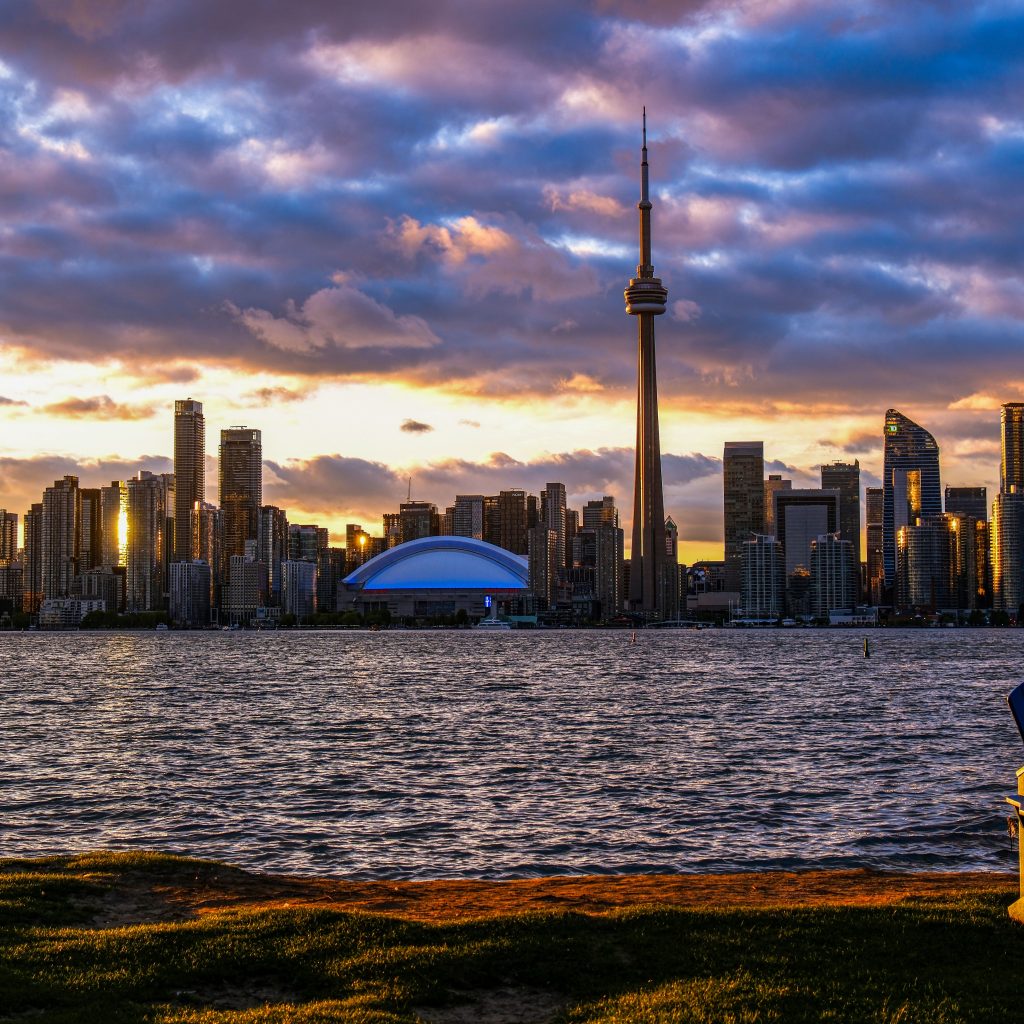
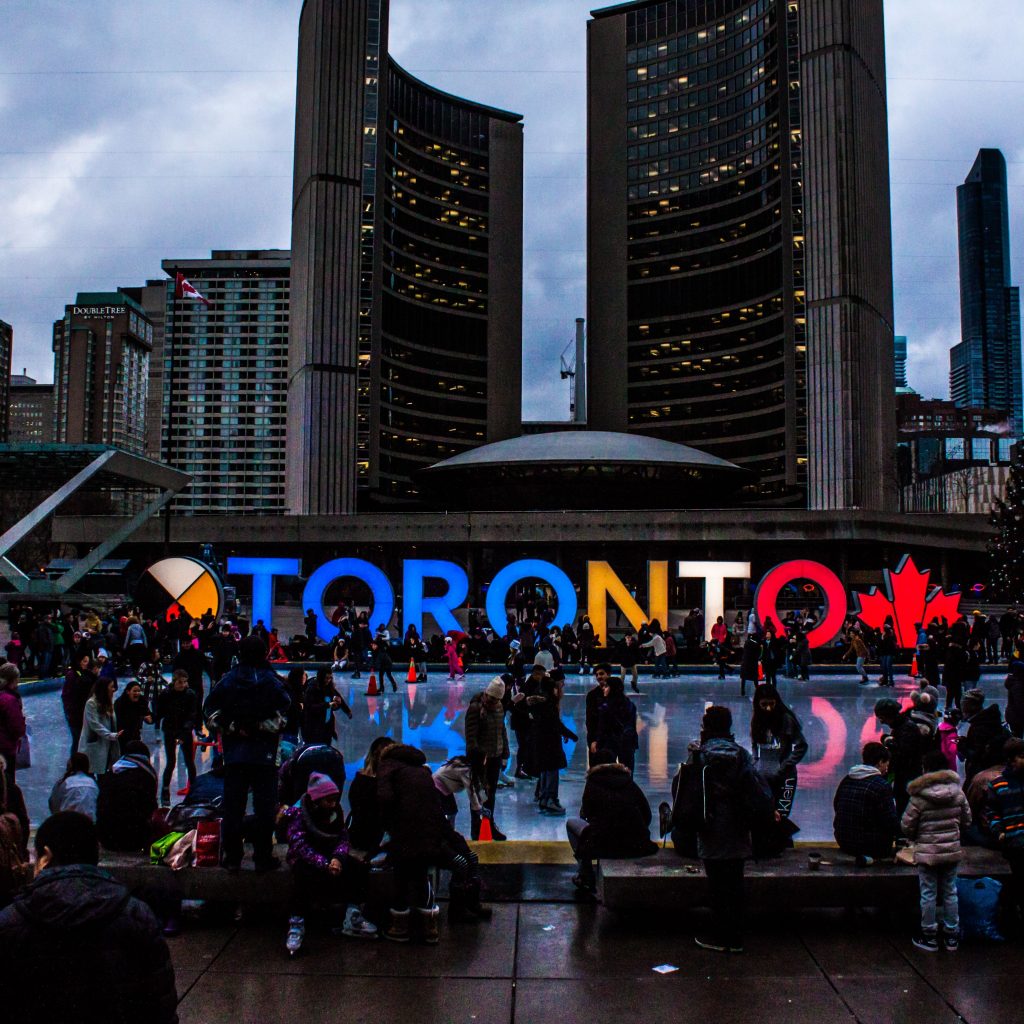
On March 27, 2026, news reports emerged stating that Toronto is moving forward with a proposal to pilot four non-profit grocery stores to combat rising food costs and increasing food insecurity in the city.
The idea of city-run grocery stores, popularized by New York City Mayor Zohran Mamdani during his recent campaign, was proposed by Toronto City Councilor Anthony Perruzza earlier this month and passed with a 22-4 vote this week.
According to the motion, priority will be given to stores that sell food at cost in low-income neighborhoods with limited access to grocery stores. The selected locations include Etobicoke, North York, Downtown, and Scarborough.
Fingers crossed!
*****
Read also