‘Islamic movements must serve all humanity’: JI Pakistan chief
In exclusive interview with MNTV in Ankara, Jamaat-e-Islami Pakistan chief Hafiz Naeem ur Rehman discusses democracy, fears of Sharia, economic justice, religious extremism and future of Islamic political movements
© Instagram: Hafiz Naeem Ur Rehman
By Iftikhar Gilani
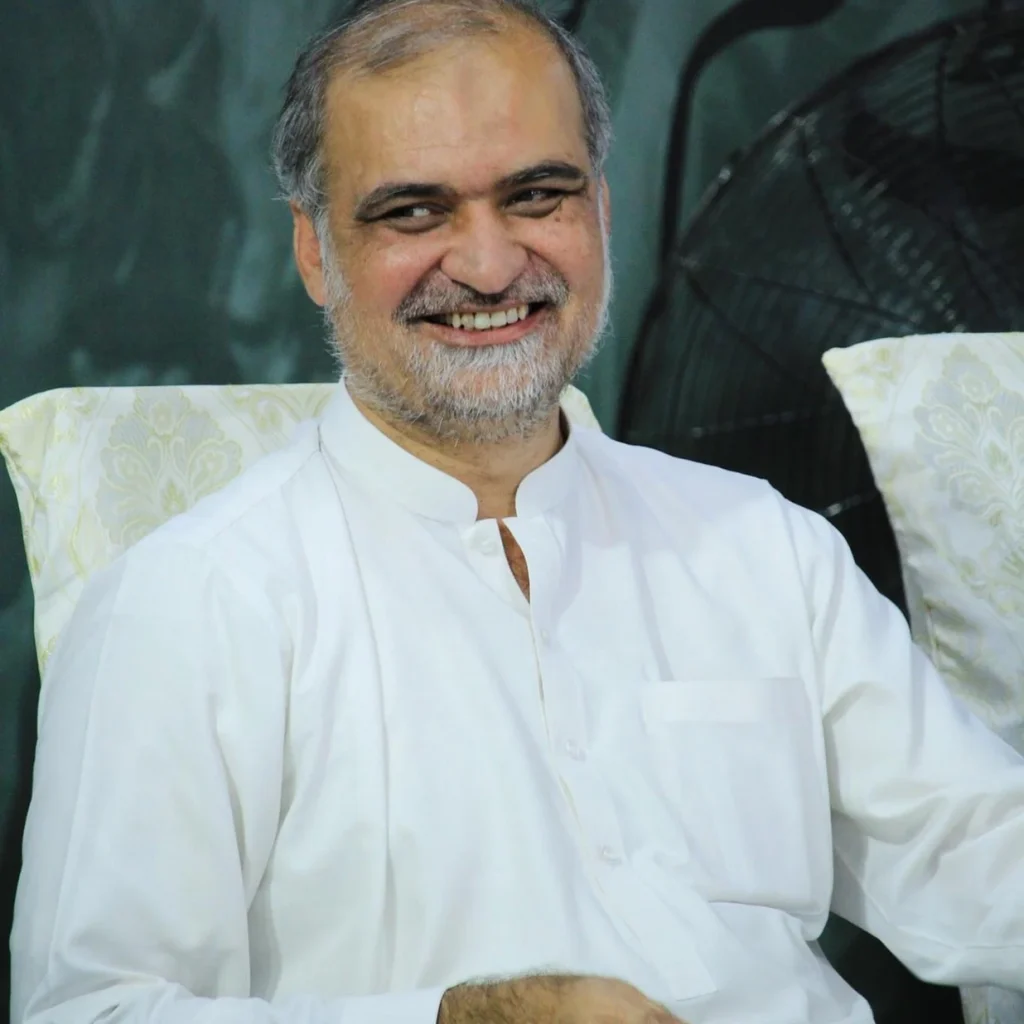
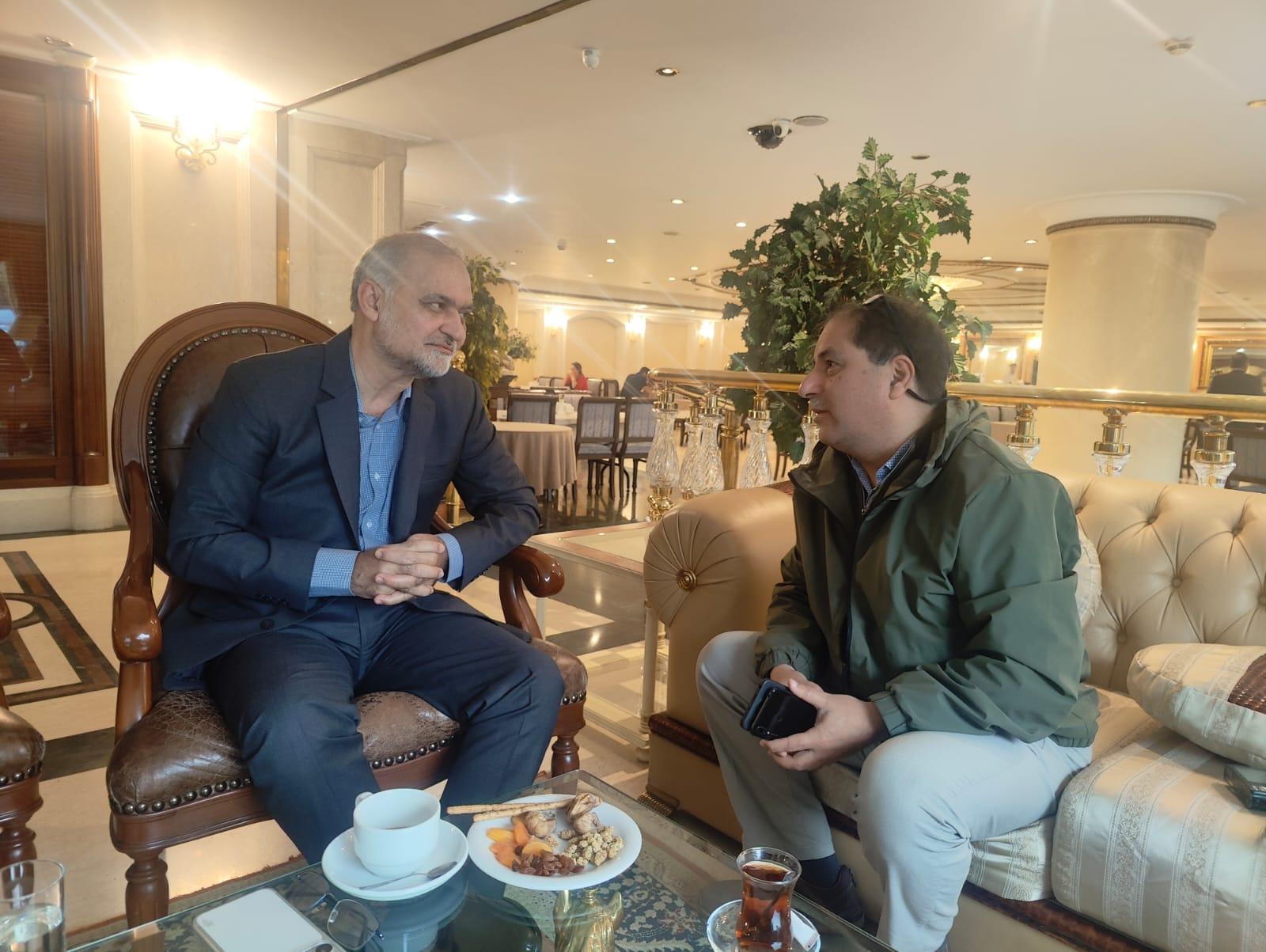
Hafiz Naeem ur Rehman, an engineer who rose through Jamaat-e-Islami’s politics in Karachi, became the national chief of the party — one of Pakistan’s oldest Islamic political movements — in 2024.
On a visit to Türkiye, he sat down with MNTV in Ankara for a wide-ranging conversation about what Islamic movements have to offer the world, their fraught relationship with democracy, the fears surrounding Sharia, and the agenda he believes they must adopt for the next quarter-century.
Islamic movements once played a significant role in confronting communism. With that ideological battle largely over, what do they offer the world today? Do they have an alternative political and economic system, or are they still fighting the battles of the past?
Before answering, we need to examine the historical experience of Islamic governance. Did the Islamic economic system provide relief to people, or did it create difficulties?
From the time of Prophet Muhammad (peace be upon him), through the Rightly Guided Caliphs and subsequent centuries of Muslim rule, societies benefited from systems that provided education, health care and economic opportunity — and these benefits were not confined to Muslims. Non-Muslims benefited too. Of course there were political conflicts, internal disputes and administrative shortcomings. But for much of that period, when governance functioned properly, the economic system provided stability.
With the political decline of Muslim societies, their economic influence also diminished. Capitalism emerged as the dominant system. Socialism developed in response to its inequalities, but it too failed to deliver, and what exists today in the name of socialism is largely a mixture of arrangements. Now capitalism itself is in profound crisis. Wealth and resources are increasingly concentrated in the hands of a small minority; a handful of billionaires keep accumulating enormous fortunes while ordinary people struggle. Even Western economies are feeling the consequences.
What alternative does Islam offer? How would you explain it to an ordinary person?
Islam offers an alternative, but we must first recognize the failures of the prevailing systems. Islam begins with a fundamentally different approach to humanity. Modern political systems often encourage people to think primarily about themselves, their communities or their nation-states, and what happens beyond their borders becomes secondary. Islam asks us to think about the welfare of all humanity. No human being is inherently superior or inferior to another.
Economically, our objective is for wealth to circulate throughout society rather than accumulate in a few hands. When wealth reaches ordinary people, it creates employment, opportunity and social security. One important instrument is zakat, the obligatory contribution made by Muslims. There can also be an equitable taxation system for non-Muslim citizens, reflecting people’s financial capacity rather than burdening ordinary households. I believe that properly implementing zakat could eliminate poverty in societies where it operates effectively.
Consider poverty-alleviation programs in Pakistan. Governments spend billions of rupees distributing assistance, but simply giving people small amounts every year does not transform their circumstances. Our approach emphasizes economic empowerment — sustainable livelihoods rather than perpetual dependence. Interest-free financing is one component, but the larger principle is that the prosperity of the wealthy should not be built on exploiting the poor.
Take agriculture. Under feudalism, landlords control the land while farmers remain dependent. Corporate agriculture can create similar inequalities when large companies acquire land and reduce farmers to wage laborers. We propose a cooperative ownership model involving four stakeholders — farmers, landowners, the state and those responsible for distributing produce — each with an ownership stake and a share in the benefits.
In the West, Islamic movements are sometimes viewed as a threat to democracy — that they use elections to gain power but may then undermine democratic institutions. Can Islamic movements guarantee political pluralism, opposition rights and peaceful transfers of power?
Why should Islamic movements alone be required to provide such guarantees? We should first examine how democracy functions in the existing international order. Look at the United Nations: five permanent members of the Security Council hold veto power over decisions affecting the entire world. Even one country can block a decision. Where is democracy in that?
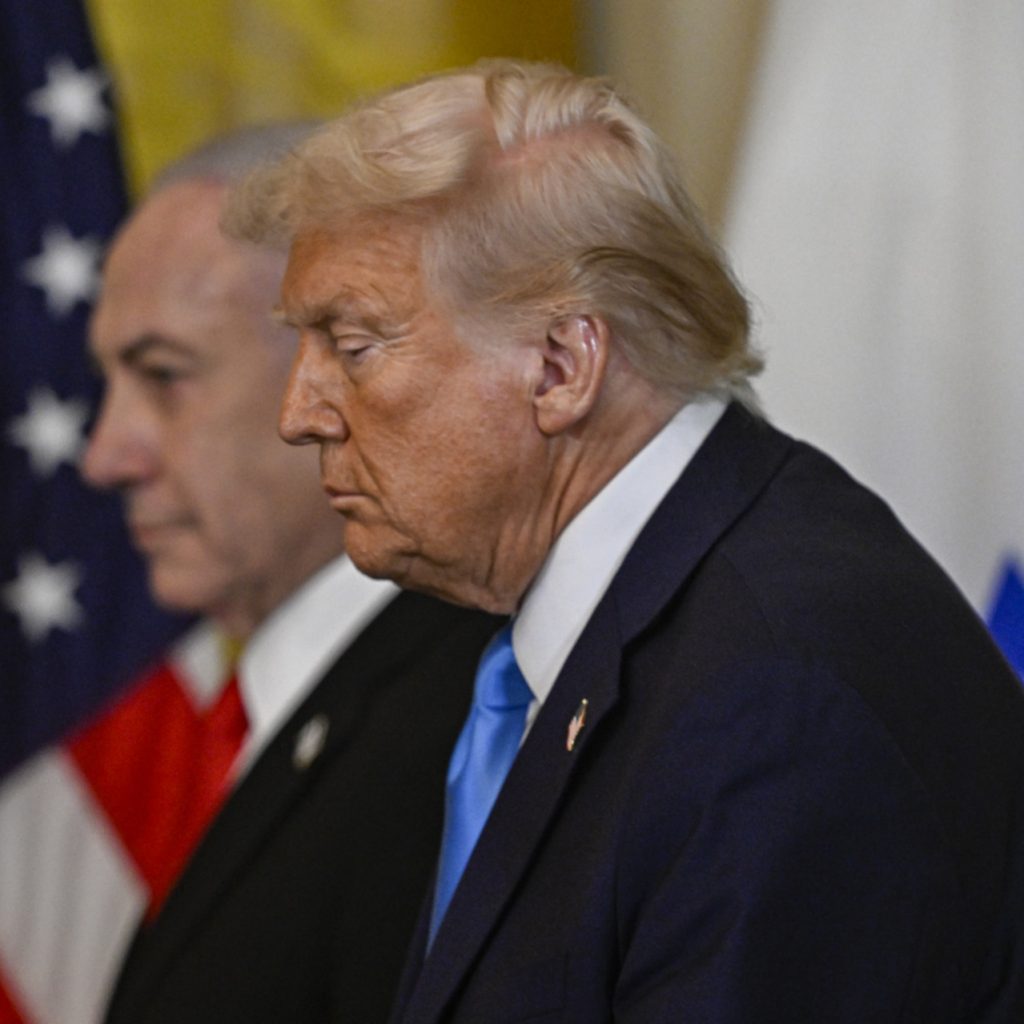
Now consider the United States, which presents itself as a champion of democracy. Look at the treatment of immigrants. Look at what happens when students speak in support of Palestine and face consequences at their universities. Look at the influence of wealthy individuals and corporations over electoral politics — figures like Elon Musk and Jeff Bezos represent the enormous influence billionaires exercise over American political and economic life. When wealthy corporations can shape public opinion through traditional and social media, what meaningful influence does an ordinary citizen retain?
Islam believes in governance based on the will of the people and in public institutions that serve society. We acknowledge that Western countries have made tremendous advances in technology and established important civic values. But their political systems also contain serious inequalities and concentrations of power. Those who question Islamic movements must also examine the contradictions within their own systems.
But is there a concrete roadmap for inclusive democracy under an Islamic political system, particularly one that protects minorities and ensures they do not feel threatened?
Much of the fear surrounding Islam has been cultivated over decades. After September 11, fear of Islam became a powerful instrument, and entire industries developed around security, surveillance and the sale of weapons. But the world is changing. Generation Z and the expansion of digital communication have transformed how information reaches people.
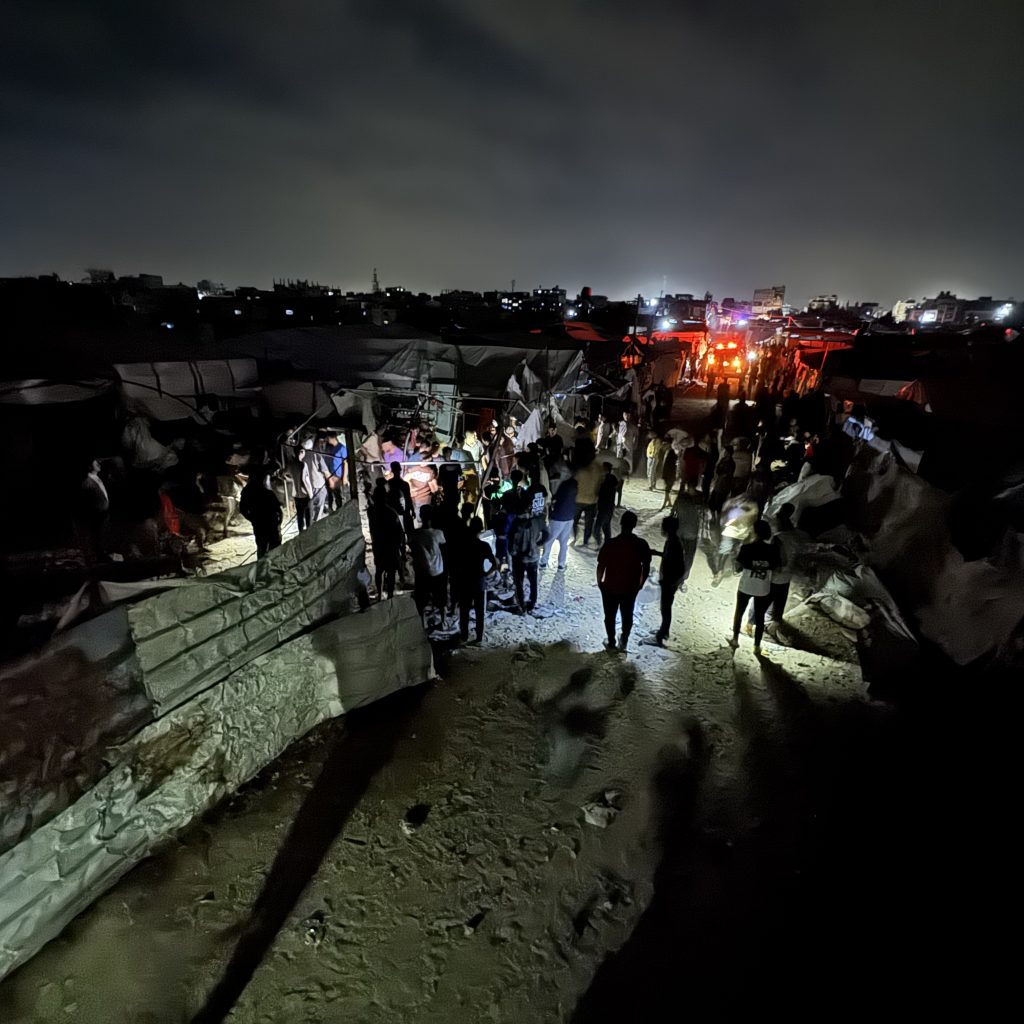
Consider Palestine. Thirty years ago, the suffering of Palestinians might have been presented through a very different narrative — Palestinians portrayed simply as terrorists, Israel exclusively as the victim. Today, images and information from Gaza reach audiences directly, and the Palestinian cause has gained significant support even within Western societies. The same communication platforms that powerful institutions once dominated are now being used to challenge their narratives.
Islam stands for human dignity, respect and social responsibility. We must also recognize the importance of family and community. Despite the enormous suffering in Gaza, Palestinians have shown remarkable resilience, continuing to care for one another and preserve community life under extraordinary circumstances. These are important social values that Islamic movements should communicate to the wider world.
Islamic political movements have suffered serious setbacks in countries such as Egypt and Algeria. What mistakes should these movements acknowledge, and what lessons should they learn?
I question the assumption that these setbacks were necessarily the result of mistakes by Islamic movements. Consider Egypt. The Muslim Brotherhood [a political and religious movement founded in Egypt in 1928] had experienced decades of repression; its leaders had spent years in prison and its structures had been severely damaged. Yet it participated in elections and won popular support. How can a movement that had barely entered government be judged a failure after only one year? When the elected government took positions supporting Palestinians and humanitarian access through the Rafah crossing, should those be described as mistakes?
Consider Algeria, where the Islamic Salvation Front was prevented from exercising power after its electoral success. Or Palestine, where Hamas won the 2006 legislative elections but was not allowed to exercise its mandate in the normal manner. These examples raise a question: are Western powers prepared to accept democratic outcomes when the winners do not align with their preferences?
In Indian-occupied Kashmir, Jamaat-e-Islami operated as a legal organization engaged in public activities. Yet its offices have been closed and large numbers of its members detained. India calls itself the world’s largest democracy — but where is the international concern over these restrictions? I believe Islamic movements are frequently denied the opportunity to function through democratic institutions.
You are visiting Türkiye, where an Islamic-leaning party has governed for more than two decades. What lessons have you drawn, and are there concrete ideas you would take back to Pakistan?
Every country has its own history and circumstances. We can learn from one another, and we should. Türkiye offers important lessons in political organization, governance, institution-building, addressing public concerns and staying connected to ordinary citizens. But we cannot simply transplant the Turkish model into Pakistan or Egypt, nor can Pakistan’s experience be replicated in Türkiye. Every movement must develop its approach according to its own circumstances.
The governing party in Türkiye is pursuing its objectives through political power; we are pursuing ours while remaining in opposition. Neither journey is complete. We should also remember that the forces now governing Türkiye emerged after a long struggle involving restrictions, repression and considerable sacrifice, and even today they face constitutional limits and external pressures. Political transformation is a continuing process.
There is considerable apprehension in Western societies about Sharia, which many associate with restrictions on individual freedoms. How can Islamic movements address these fears?
Our greatest challenge is communication. Islamic movements must improve their ability to explain what Islam actually represents. Too often, Islam is presented through rituals, appearances and outward practices, while its underlying principles, ethical teachings and approach to human welfare receive little attention.
We also face another problem: there are very few places in the world today where we can confidently say Islam is being practiced in its complete and authentic form. Even societies that outwardly identify with Islamic teachings face serious social, political and economic problems. Nevertheless, we must explain Islamic principles clearly and show their relevance to contemporary life.
Western societies have achieved remarkable material progress, and we recognize that. But material prosperity has not resolved every problem — there are crises of family breakdown, loneliness, substance abuse and personal well-being. Islam offers principles that can help address these, and Islamic movements must communicate them effectively, especially to people who have never encountered an accurate explanation of Islamic teachings.
Is there a realistic possibility of a global alliance of Islamic political movements and voluntary organizations, with Jamaat-e-Islami Pakistan playing a significant role?
I would emphasize coordination rather than a formal alliance. What would we achieve simply by announcing an alliance? We need platforms where organizations can communicate, coordinate and work together on shared objectives.
But I would go further: such platforms should not be restricted to Islamic movements. Across the world, people are struggling against economic exploitation, excessive corporate power, imperialism and human rights violations — many responding to immediate injustices without a broader ideological direction. We should bring these people together. If Islamic movements organize exclusively under a religious identity, others may read it as a confrontation between Muslims and non-Muslims, and that should not be our objective. We should work with conscientious people from every religious and ideological background. Every human being has a conscience and the capacity to distinguish right from wrong; our responsibility is to strengthen that and build cooperation around justice, dignity and human welfare. Organizations can keep their individual identities while working together on broader humanitarian goals.
Islamic movements are also frequently associated with extremism and terrorism. How should they respond?
We must make it absolutely clear that terrorism has no connection with Islam. At the same time, we need a serious international discussion about the causes of terrorism and political violence, which is not confined to Muslims or Muslim societies. We should examine why terrorism emerges, what conditions contribute to it, and how state violence should be defined. Why do certain forms of violence receive international condemnation while others are treated differently? The discussion must include state terrorism and the use of violence by governments.
Look at the treatment of minorities in India and what is happening in Kashmir. Muslims, Dalits, Christians and Sikhs face serious challenges, yet Western governments continue presenting India as a model democracy. Why is there not equal concern for the rights of these communities? We should not allow the actions of particular extremist groups to define an entire religion. Islam has its own ethical principles, and those must be distinguished from acts of political violence.
The right wing has gained power in India, while Christian nationalist and far-right movements are growing in Europe. How would you distinguish Islamic political movements from these religiously identified right-wing movements?
We must first explain that an Islamic political system does not mean Muslims ruling over non-Muslims — that is a fundamental misunderstanding. Islam is not a project to establish the domination of one religious community over another; it offers a system intended to serve humanity. A Muslim may believe in Allah and the Prophet Muhammad and seek to organize society according to Islamic principles, but that does not mean a Muslim named Abdullah or Abdul Rahman should dominate a Hindu or Christian because of religious identity. Islamic movements must make this distinction clear. People should not fear that Muslims want political supremacy over them. Our objective should be a system that serves people, not one that dominates them.
Finally, if you were to redefine the mission of Islamic movements for the next 25 years, what should their priorities be?
Islamic movements must first identify the major problems confronting humanity, through serious intellectual discussion, research and practical solutions.
One major priority should be women’s rights. We must address the problems faced by women who manage households as well as those working outside the home. Women are participating in economic life everywhere, and we cannot simply tell them to stay home. Hundreds of millions work under difficult conditions — harassment, unequal wages, inadequate protection — while also carrying family responsibilities, and single mothers often bear the entire burden of earning and raising children. Islamic movements should explain the protections and rights Islam offers women, including fair wages, dignity at work and economic security.
Another priority is younger generations. Generation Z and Generation Alpha face enormous challenges. Many young people feel that established institutions do not understand them; they organize themselves, communicate through new technologies and join protests, and some face serious problems with drugs and isolation. Islamic movements cannot ignore these generations — we must understand their concerns and engage with them.
A third priority is minority rights — both Muslim minorities in non-Muslim countries and non-Muslim minorities in Muslim-majority societies. Wherever communities face discrimination, there should be an effective international platform to defend them. The UN has many declarations on human rights, but implementation remains inadequate. Islamic movements should help create a strong international voice for vulnerable communities. When we work for the rights of all people, the world will understand that our concern is humanity, not religious domination.
Finally, we must engage with emerging technologies. Artificial intelligence is already transforming the world, and we cannot avoid it; we need to understand how it can benefit humanity and how its dangers can be minimized. The same applies to cryptocurrencies and other financial technologies — are they beneficial or harmful, and how should societies regulate them? These are questions Islamic movements must address through serious research and informed debate. If we develop credible responses to these challenges, people will naturally become interested in what Islamic movements have to offer.
Thank you very much for speaking with us.
Thank you.

Read also