Islamic movements need broader human agenda, JI chief says
In exclusive interview with MNTV in Ankara, Jamaat-e-Islami Pakistan chief Hafiz Naeem ur Rehman calls for cooperation across religious boundaries, challenges Western democratic practices, and sets out a new agenda for Islamic movements built on economic justice, minority rights, women, youth and emerging technologies
© Yahya Hanif
By Iftikhar Gilani
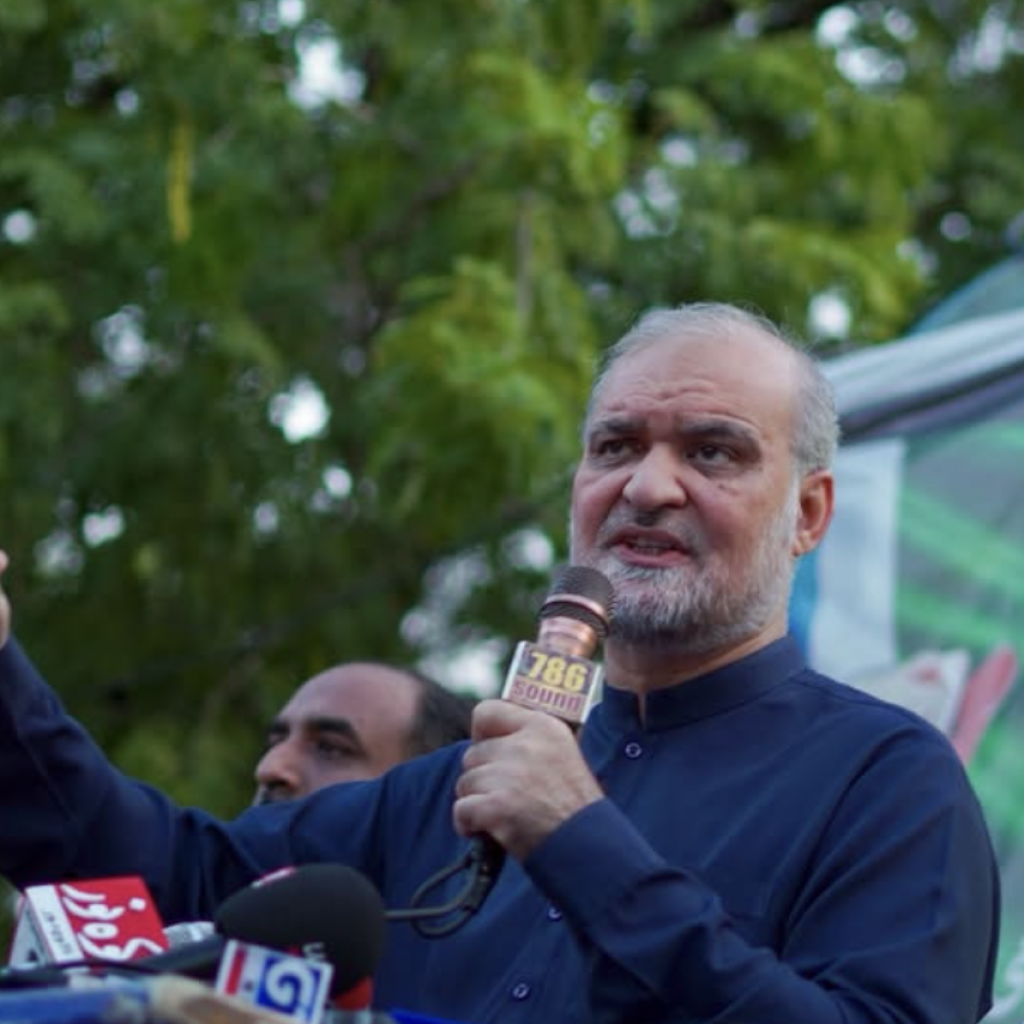
ANKARA, Türkiye (MNTV) – Hafiz Naeem ur Rehman, the Ameer, or chief, of Jamaat-e-Islami Pakistan — one of the country’s oldest Islamic political parties — has urged Islamic political movements worldwide to move beyond old ideological confrontations and build a broader agenda addressing the economic, political and social challenges facing humanity.
Touring Türkiye, Rehman spoke to MNTV in an exclusive interview in the Turkish capital, discussing the future of Islamic movements, their relationship with democracy, the growing concentration of global wealth, Islamophobia in Western societies, and the prospects for cooperation among religious and secular organizations.
An engineer by profession, Rehman rose to national prominence through his political work in Karachi, Pakistan’s largest city and commercial capital, where he led Jamaat-e-Islami’s chapter and campaigned on municipal governance, electricity tariffs, water shortages, infrastructure and local-government powers.
His standing rests more on that organizing and those civic campaigns than on having run the city’s government himself.
Rehman argued that Islamic movements should not confine themselves to representing Muslims alone, but should work alongside people of other faiths and political backgrounds who share concerns about inequality, human rights and social justice.
He questioned the need for a formal global alliance of Islamic parties, favoring instead broader international platforms that bring together movements working against economic exploitation and rights violations.
On the economy, he described contemporary capitalism as a system that concentrates wealth in the hands of a small minority, and advocated Islamic mechanisms of redistribution — including zakat, the obligatory charitable contribution required of Muslims, together with equitable taxation and cooperative ownership.
Responding to Western concerns that Islamic movements could undermine democracy once in power, Rehman turned the question back on Western governments, citing the UN Security Council’s veto system, restrictions on pro-Palestine activism and the influence of wealthy individuals over American politics.
He pointed to the experience of Islamic movements in Egypt, Algeria and Kashmir, arguing that their electoral and political advances have frequently been obstructed.
Reflecting on Türkiye’s political experience, Rehman praised the governing party’s organizational capacity, institution-building and ability to retain public support, but cautioned against mechanically applying the Turkish model to Pakistan or other Muslim countries.
Looking ahead to the next 25 years, he identified women’s rights, the challenges facing younger generations, minority protection, artificial intelligence and new financial technologies as the issues Islamic movements must address.

Read also