Grief, grit and historic seat: Senator Iman Jodeh’s hardest year
On Election Day, Colorado's first Muslim and Palestinian American legislator talks to MNTV about affordability, ICE fears in Aurora, and loneliness of carrying Gaza into statehouse
© imanforcolorado.com
By Ahmad B.
As voters across the United States go to the polls on Tuesday for the 2026 midterm elections — the nationwide vote held halfway through a president’s term that will decide control of Congress and shape the rest of Donald Trump’s second term — state Sen. Iman Jodeh is carrying more than a campaign into Election Day in Colorado.
The first Muslim, Arab woman and Palestinian American ever elected to the state’s legislature, she is carrying a community — and, by her own account, a great deal of its grief.
In an exclusive interview with MNTV, the Aurora Democrat spoke candidly about the forces that shaped her, the economic squeeze bearing down on her district, the fear coursing through its immigrant families, and what it has meant to be the lone Palestinian American voice in her statehouse through two of the hardest years her community has known.
‘How to continue to be bridge’
Jodeh’s parents came to Colorado from Palestine in 1974.
Her father, she said, was a co-founder of the Colorado Muslim Society, the largest and oldest mosque in the Rocky Mountain region, and a frequent bridge to the wider non-Muslim community. As a child, she tagged along to his talks.
“I didn’t realize it, but he was conditioning me about how to continue to be the bridge,” she said.
She grew up in Aurora’s public schools and spent years working with immigrant and refugee communities before she ever imagined running for office.
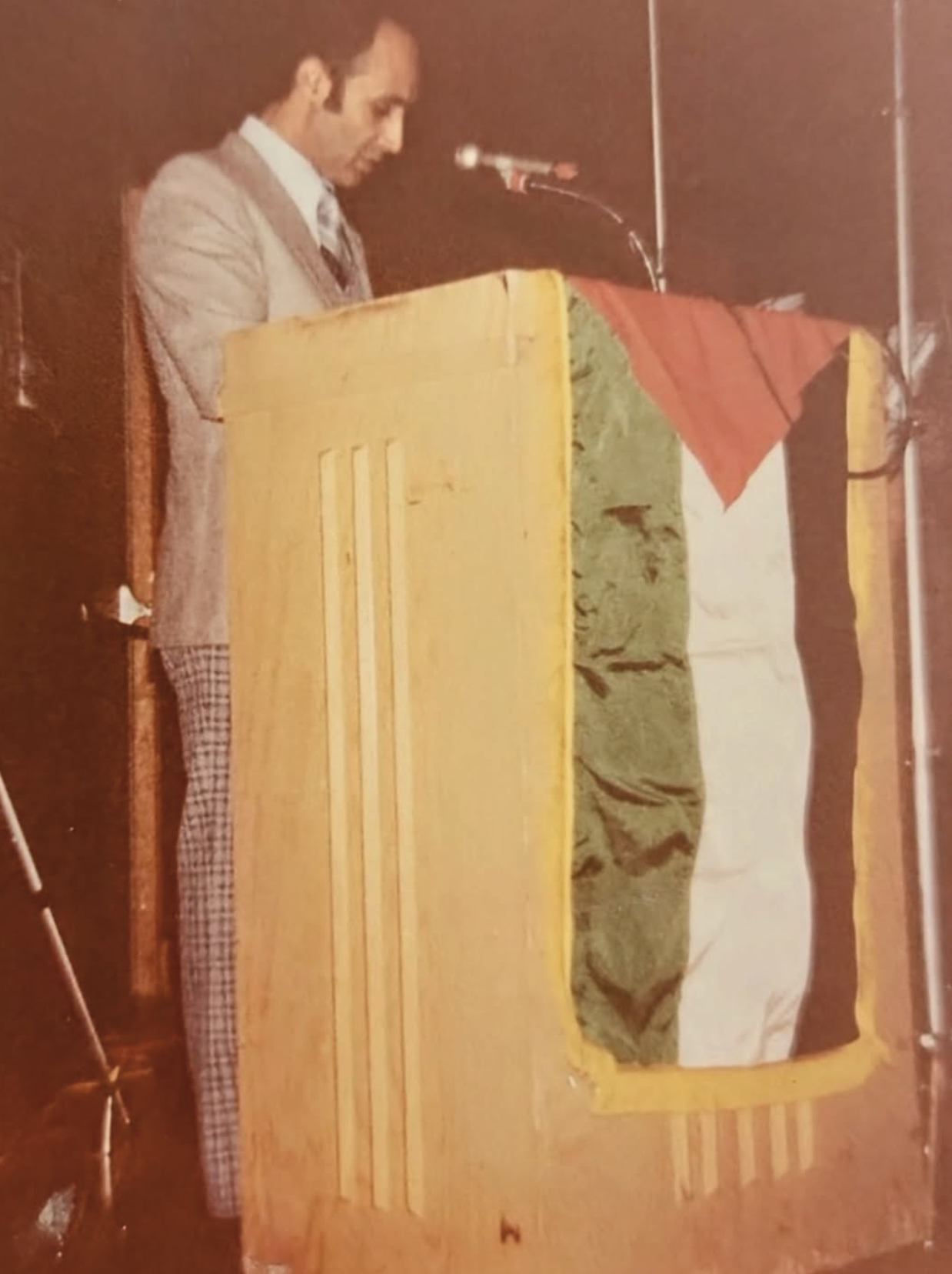
“They taught me that community is everything, and when people need you, you show up,” she said of her parents. Time spent testifying on bills at the Capitol convinced her that “our communities deserved a voice and a seat at the table,” and when people asked her to run, she realized “no one there looked like me.”
Being the first, she said, “isn’t just about being the first. It’s about making sure I’m not the last, and making sure the people I represent feel seen, heard and valued.”
‘The kind of impossible choice people are being forced to make’
Now representing Senate District 29, Jodeh said constituents are raising “affordability, housing, health care, even data centers” — the diverse worries of what she calls one of the most diverse cities in the country.
But the common thread is cost.
She pointed to child care as a stark example: average daycare in Denver runs about $2,500 a month. “Imagine having two kids in daycare. That’s $5,000 a month before you’ve even paid your mortgage, bought groceries or covered any other bills,” she said.
Families are forced to weigh whether it makes financial sense for both parents to work, even as living on one income is out of reach.
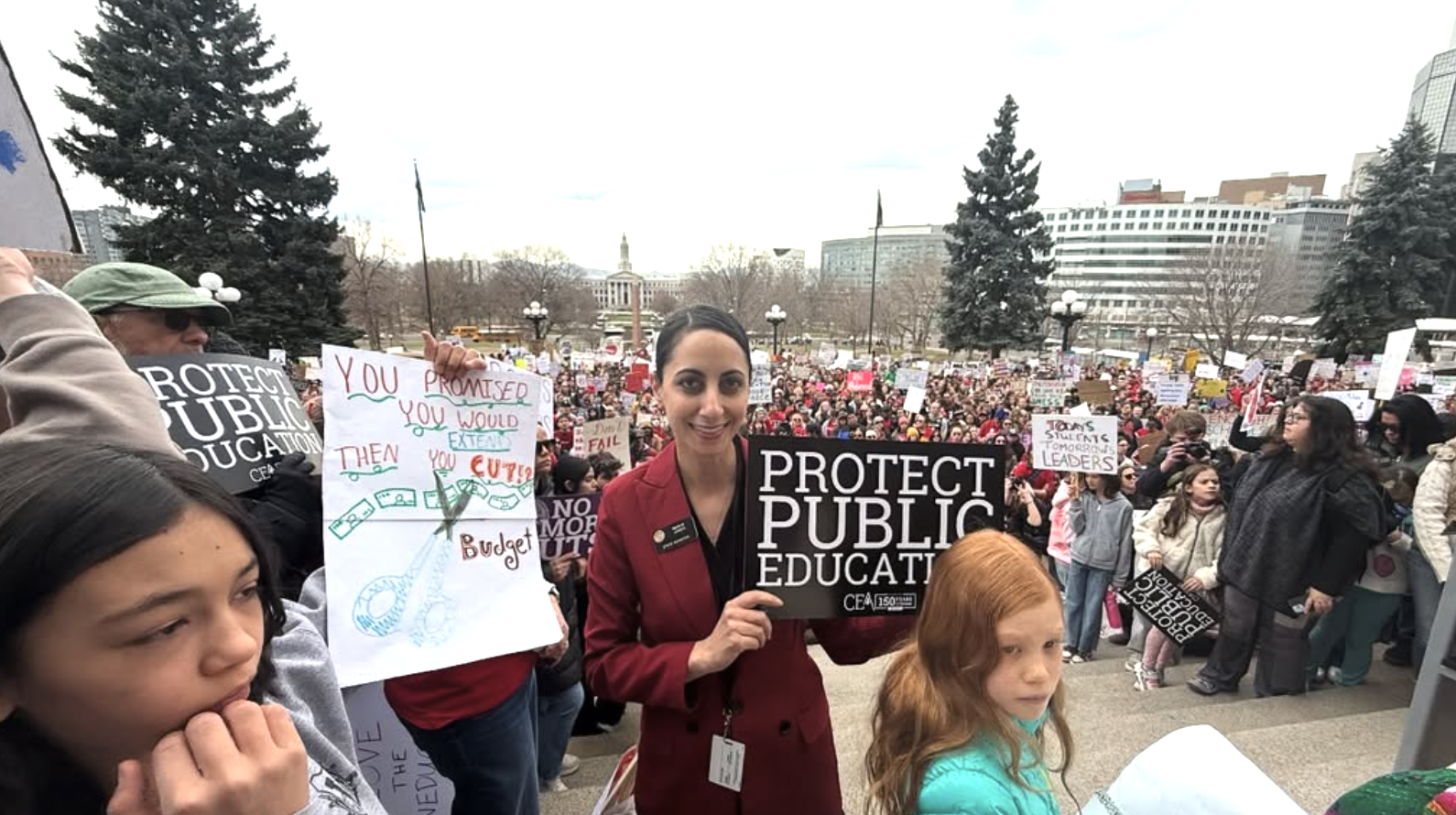
“That’s the kind of impossible choice people are being forced to make. That’s what affordability looks like in people’s everyday lives.”
Health care, she said, is where that pressure turns existential, and it tops her legislative record alongside housing and immigration.
“I believe health care is a human right, and no one should have to choose between getting the care they need and paying their bills.”
She warned that federal Medicaid cuts under the budget law known as HR1 are “devastating for Colorado” and the state’s public-option plan, the Colorado Option, estimating that 95,000 to 108,000 Coloradans could lose Medicaid coverage beginning in 2027.
Ensuring undocumented residents were included in the Colorado Option, she added, was a priority for her.
‘For me, this is personal’
Few places have been as central to the national immigration debate as Aurora, and Jodeh said the rhetoric has left her constituents frightened. “What I’m hearing from immigrant families is fear. Parents are afraid to send their kids to school, people are afraid to go to work, and families are worried that one interaction with ICE could tear their family apart.”
“For me, this is personal,” she said. “I’m the daughter of Palestinian immigrants, I grew up in Aurora, and I’ve spent much of my life working with immigrant and refugee communities. These aren’t strangers to me. They’re my neighbors, my constituents, and the families who make Aurora what it is.”
State lawmakers, she insisted, “are not powerless.”
She cited her support for SB25-276, which strengthened protections around immigrants’ personal information, schools and health facilities; her prime sponsorship of HB26-1276, Protect Safety of Individuals Who Are Immigrants, now signed into law; and her earlier work creating Colorado’s Office of New Americans.
“Regardless of someone’s immigration status,” she said, “due process and basic human dignity should never be negotiable.”
‘At times, it’s felt incredibly lonely’
It is Gaza, though, that has tested her most.
“It’s been really hard. And honestly, at times, it’s felt incredibly lonely,” she said of being the only Palestinian American in the legislature during “one of the most painful times in our history.”
She recalled the struggle simply to get colleagues to sign a letter calling for a ceasefire. “A ceasefire. We weren’t asking for anything extraordinary. We were asking for the killing to stop. And even that was a struggle.”
Efforts to engage the state’s congressional delegation, she said, “went nowhere.” Hardest of all was “feeling like I constantly had to explain why Palestinian lives mattered” while grieving alongside her community.
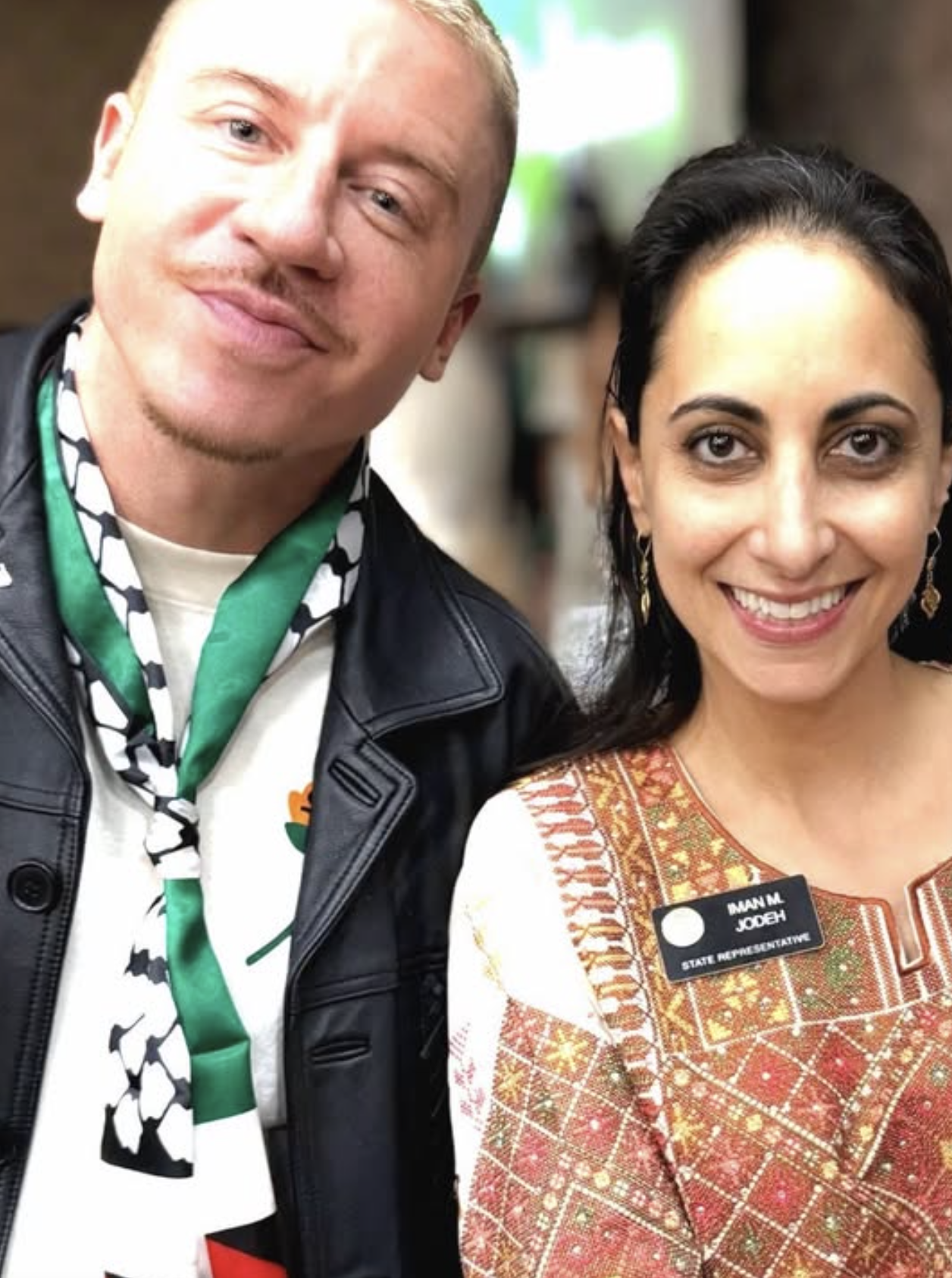
The experience, she said, has changed her: “It’s made me more outspoken and less willing to be quiet just to make other people comfortable.” Carrying “not just my own grief, but the grief of an entire community,” she has learned to pick her moments.
“I’ve never mistaken being strategic for being silent. And I never want anyone to mistake my patience for a lack of conviction.” At the end of the day, she said, “I know who I am, I know where I come from, and I know why I’m in that seat.”
‘We’re earning it’
Against a cycle of openly anti-Muslim campaigning, Jodeh reads this moment as a turning point rather than a threat. “I see this moment as ours,” she said. “When do we move beyond raising our fists in protest to taking our seats at the table?”
The wave of Muslim candidates, she argued — MNTV counts at least 51 on the ballot this cycle — “represents something much bigger than any one election.”
“When Muslim candidates win, they’re not winning because they’re Muslim,” she said. “They’re winning because voters from all backgrounds believe in their values, their vision and their ability to lead… We’re not just demanding a seat at the table anymore. We’re earning it.”
That does not mean identity alone earns her support. Muslims “are not a monolith,” she stressed, and her own endorsements now turn on three connected questions: “Does the candidate recognize what’s happening in Gaza as genocide? Do their policies and priorities align with mine? And who is funding their campaign?”
Since Oct. 7, she said, she weighs not just where someone stands today “but where they stood when it was difficult to speak up.”
Heading into Election Day, what gives her hope is “seeing more people step up, more diverse candidates on the ballot, and more voters demanding something different.”
When people look back on this election, she said, “I hope they see it as a turning point — not just in terms of which party won, but in how we started reshaping political leadership.”
Read the full conversation in our Q&A with Sen. Iman Jodeh, here.
Related posts

Read also