US religious freedom panel says India must be held accountable for violations of religious freedom
USCIRF calls for sanctions and visa restrictions over alleged attacks on religious minorities and worsening religious freedom conditions
© File Photo
WASHINGTON (MNTV) — The U.S. Commission on International Religious Freedom has urged the U.S. government to hold India accountable for what it describes as systematic and continuing violations of religious freedom, including violence and discrimination targeting religious minorities.
The commission expressed concern over the U.S. visit of Mohan Bhagwat, chief of the Rashtriya Swayamsevak Sangh, or RSS, saying members of organizations associated with the Hindu nationalist group have been implicated in attacks against Muslims, Christians, Sikhs and Dalits.
USCIRF said policies implemented under Indian Prime Minister Narendra Modi and his Bharatiya Janata Party government have increasingly reflected the RSS’s Hindutva ideology, which the commission said has contributed to discrimination against minority religious communities.
The commission also accused Indian authorities of failing to adequately prevent, investigate or prosecute cases of mob violence targeting Muslims and Christians.
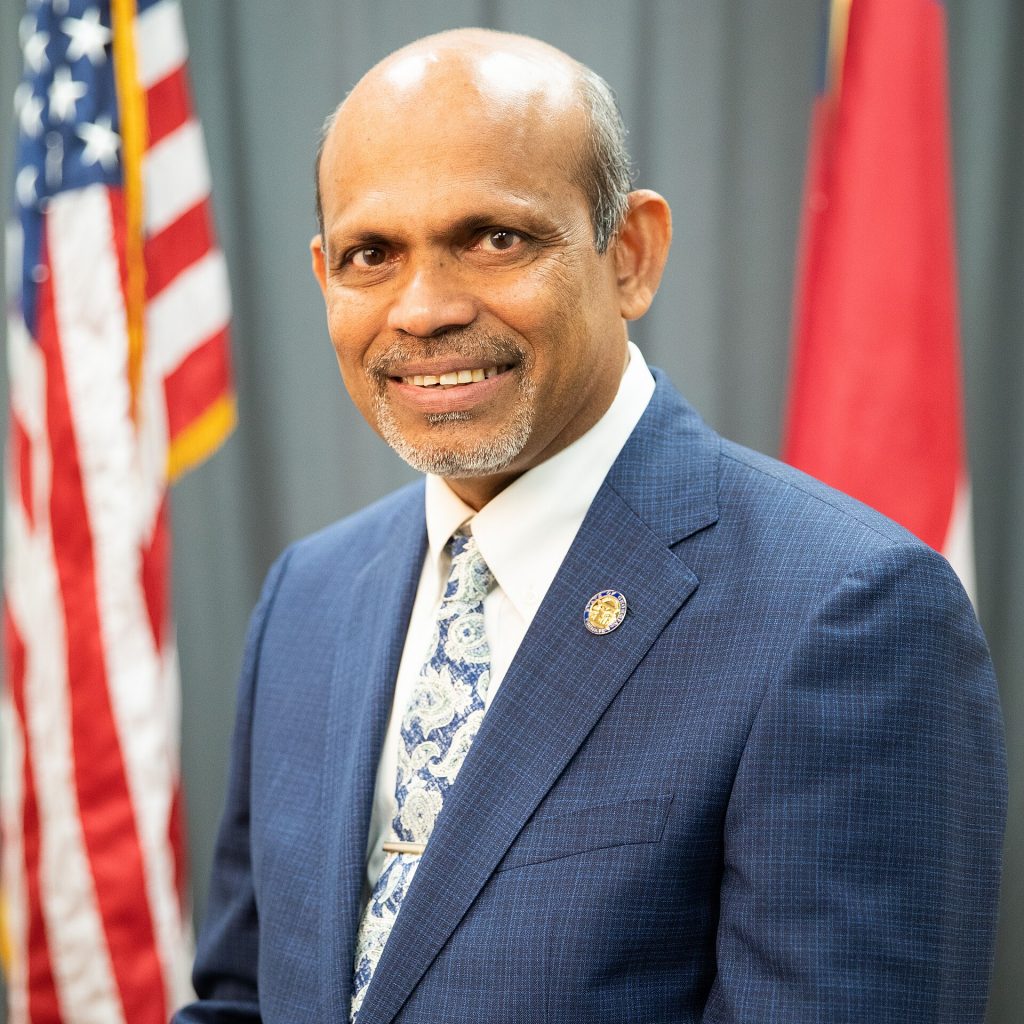
USCIRF Chair Asif Mahmood called on Washington to consider targeted sanctions against RSS members and Indian officials allegedly involved in religious freedom violations. He also urged the U.S. government to revoke Bhagwat’s visa and prevent him from entering the country in the future.
“Religious freedom conditions in India continue to deteriorate,” Mahmood said, citing violence and incitement directed at religious minorities.
The commission said vigilante attacks have frequently been associated with the enforcement of India’s anti-conversion laws, which it said disproportionately affect Christians and other minority communities.
USCIRF also raised concerns about policies affecting Muslims in Assam, including measures connected to the National Register of Citizens and Citizenship Amendment Act. It said authorities had forcibly expelled some Muslim residents under these policies.
The commission further warned that restrictions on civil society organizations were increasing. It pointed to proposed amendments to the Foreign Contribution Regulation Act, saying the changes could threaten the ability of faith-based organizations to operate in India.
USCIRF Vice Chair Cece Heil said the United States could use its foreign policy to signal that religious freedom remains an important concern in its relationship with India.
“The U.S. government has an opportunity to hold India accountable,” Heil said, warning that a lack of action could allow attacks against religious minorities and places of worship to continue.
The commission has repeatedly criticized India’s record on religious freedom. In its 2026 annual report, USCIRF recommended that the U.S. State Department designate India as a Country of Particular Concern, a classification reserved under U.S. law for governments responsible for particularly severe violations of religious freedom.
USCIRF also examined India’s religious freedom situation during a May 2026 congressional-style hearing focused on what it described as deteriorating conditions in the country.
The commission is an independent, bipartisan U.S. government body established by Congress to monitor religious freedom conditions internationally and provide recommendations to the president, secretary of state and Congress on policies intended to combat religious persecution and protect freedom of religion or belief.
Related posts


Read also