Profile: Zaynab Mohamed’s rapid rise from community organizer to legislator
From navigating red tape for her factory-worker parents to becoming youngest woman ever elected to Minnesota Senate, Mohamed’s legislative path is built on redefining who belongs
© Taylor Dahlin
By MNTV Staff Writer
When Minnesota State Senator Zaynab Mohamed speaks about the structural flaws of the American safety net, she does not cite think-tank data or abstract economic theories.
She points to the 16-hour factory shifts her mother endured, the two to three jobs her father balanced concurrently, and the childhood days she and her siblings spent working to chip away at the family’s end-of-the-month rent.
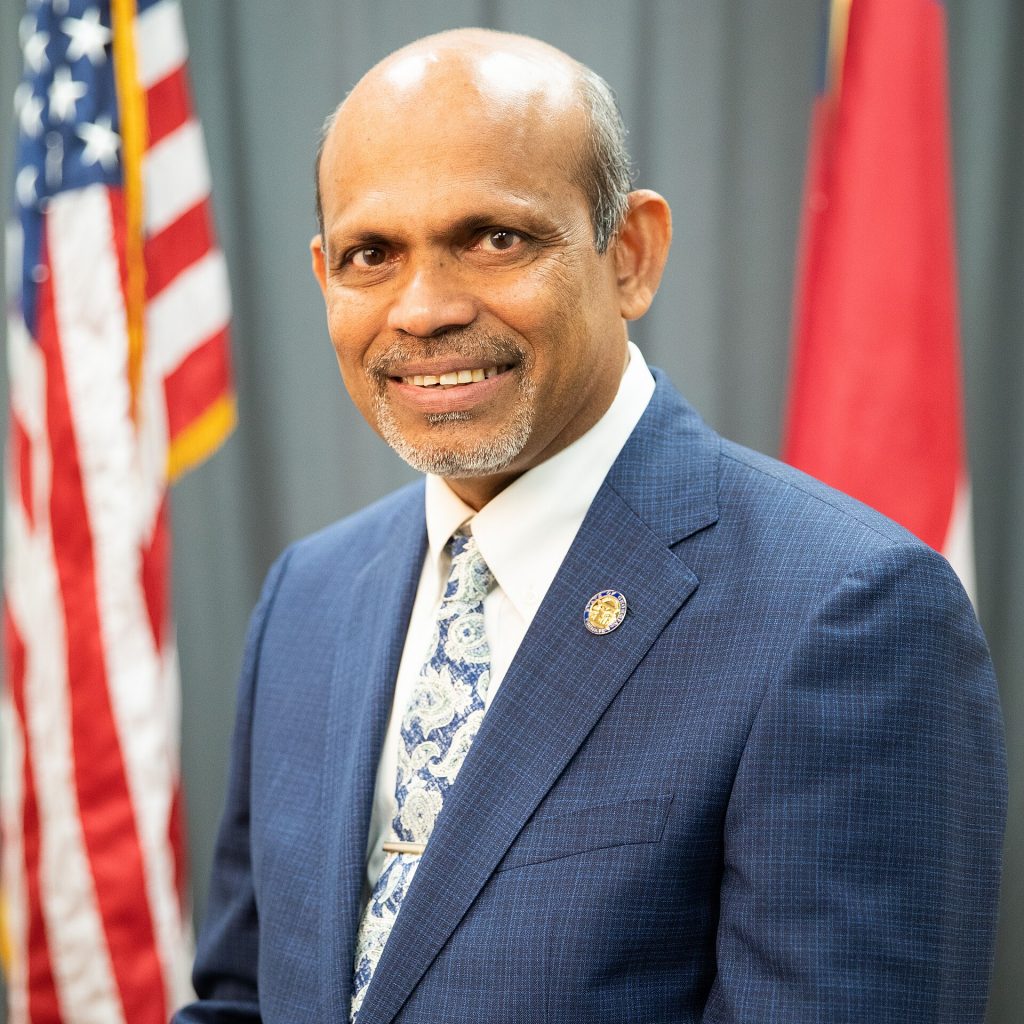
Today, the 29-year-old Democratic-Farmer-Labor (DFL) lawmaker represents District 63 in southeast Minneapolis. Her rapid ascent from a community organizer to a history-making legislator has permanently disrupted the traditional demographic lines of state governance.
“When I first thought about running for office, it was because I wanted to make people’s lives easier, not harder,” Mohamed stated in a public address. “There are people sleeping outside at negative 20 degrees. That’s immoral in a country that prides itself in being the wealthiest nation in the world.”
A childhood of translated survival
Born in Somalia in 1997, Mohamed’s family emigrated to the United States when she was nine years old, planting roots on the Southside of Minneapolis. Like many first-generation eldest daughters, her childhood was immediately subsumed by the logistical burdens of translation and navigation. From a young age, she was tasked with guiding her working-class parents through complex health insurance frameworks, social services applications, and the public school system.
This direct exposure to administrative friction laid the foundation for her early career in political advocacy. Mohamed initially worked as a community advocacy manager for the Council on American-Islamic Relations (CAIR-MN), successfully lobbying for local police accountability measures and public safety reforms, including regional crackdowns on no-knock warrants.
Following a stint as a senior policy aide for the Minneapolis City Council, she stepped onto the electoral stage herself in 2022. At just 25 years old, she shattered institutional precedents by becoming the youngest woman ever elected to the Minnesota Senate, alongside Erin Maye Quade and Clare Oumou Verbeten as the chamber’s first Black female senators.
Translating lived strain into immigrant advocacy
On the Senate floor, Mohamed transformed her family’s personal struggles into high-profile legislative initiatives, quickly serving as the Vice Chair of the Jobs and Economic Development Committee and Chair of the POCI (People of Color and Indigenous) Caucus. As the chief author of the historic Driver’s Licenses for All bill, she successfully led the effort to grant undocumented Minnesota residents the right to obtain driving privileges.
“Every resident of Minnesota deserves to be treated with dignity and respect, regardless of immigration status,” Mohamed noted in an official legislative statement. “Restoring immigrants’ right to obtain a driver’s license isn’t just the right thing to do – it will also benefit our economy, make our roads safer, and make life easier for our undocumented neighbors.”
Her advocacy has intensified under national political pressure. Following reports of targeting by federal immigration enforcement against local communities, Mohamed spearheaded legislative briefings to defend immigrant protections, publicly declaring that “we send a message to Minnesota’s undocumented community: we hear you, we see you, and you are a part of our beloved community.”
A staunch supporter of Palestine
Mohamed joined other Minnesota state legislators in signing a statement organized by the Council on American-Islamic Relations’ Minnesota chapter in November 2023, calling for an immediate ceasefire in Gaza amid Israel’s genocidal military offensive.
In public remarks, she said, “Palestinian people deserve self-determination,” framing her position around the responsibility to stand with marginalized communities.
According to candidate voter guides, Mohamed has also expressed explicit support for the Boycott, Divestment and Sanctions (BDS) movement, which seeks to pressure Israel to withdraw from occupied territories, remove the separation barrier in the West Bank, ensure full equality for Arab-Palestinian citizens of Israel and advance the rights of Palestinian refugees.
Mohamed also joined 12 other Minnesota Democratic-Farmer-Labor senators in signing a statement in November 2023 condemning remarks by fellow Sen. Ron Latz about Palestinian youth.
The lawmakers described his language as “dehumanizing” and “inflammatory,” objecting particularly to his characterization of Palestinian children as aspiring killers. They warned that such rhetoric was dangerous and could “further foment hate and violence.”
Addressing domestic anti-Muslim sentiment, she noted a sharp “rise in Islamophobia and anti-Muslim actions in recent months” that “threaten the safety and dignity of our Muslim communities.”
2026 midterm landscape
As voters prepare for the Nov. 3, 2026, midterm elections, Mohamed’s political future appears exceptionally solid. Having advanced completely uncontested from the August 11, 2026, DFL primary, she enters the general election matchup against Republican challenger Diane Napper with a formidable electoral advantage.
Given that Mohamed secured her previous general election victory with a staggering 85.6% of the vote, state election tracking data from MultiState Elections and Ballotpedia classifies her deep-blue Minneapolis seat as an absolute lock for the progressive incumbent.
Instead of focusing resources on her own survival, Mohamed enters the final stretch of the election cycle utilizing her platform to turn out minority, immigrant, and youth voting populations—aiming to secure a critical firewall for the DFL’s fragile, one-seat Senate majority.
Related posts


Read also