Muslim candidates, Gaza and Mamdani test boundaries of US politics, former Pakistan envoy says
Muslim political presence in US is growing but Democratic congressional victory in midterms may not translate into major foreign policy changes, he warns
© AA
By Akhtar Pathan
KARACHI, Pakistan (MNTV) — A possible Democratic takeover of the House, Senate or both could challenge the traditional bipartisan pro-Israel consensus in Washington and change the political meaning of support for Palestine, particularly if candidates who back Palestinian statehood or question unconditional U.S. military aid to Israel win office, a former Pakistani diplomat says.
In an exclusive interview with MNTV ahead of the U.S. midterm elections, former ambassador Sanaullah said a larger Democratic presence in Congress could lead more lawmakers to demand explanations for the use of American weapons, civilian casualties, humanitarian restrictions and conditions attached to U.S. military assistance to Israel.
He warned, however, that President Donald Trump could become more determined to secure “a legacy of destruction” if Democrats take control of Congress.
Trump would retain substantial executive powers, including command of the armed forces and considerable authority over foreign policy and diplomacy.
Congress controls appropriations, legislates on foreign assistance and exercises oversight, while the Senate has its own constitutional responsibilities.
But Sanaullah questioned whether those powers would translate into meaningful action against Israel.
“He may ignore these two institutions and, in my view, not much would be seen in terms of action against Israel. Verbal expressions may change, but not actions. Even Republicans cannot afford a clear rupture with Israel and its Likud-led leadership,” he said.
Given the international situation and Trump’s war with Iran, the midterm elections could become a turning point in American politics, Sanaullah said, although he cautioned against describing them prematurely as a historic realignment.
A midterm election can change control of Congress without fundamentally altering the political system, he said.
A historic realignment, by contrast, involves changes in electoral coalitions, public attitudes and the policy positions of major parties that persist over several election cycles.
Current election indicators point to a favorable environment for Democrats, although that does not guarantee a congressional takeover. Opinion on control of the Senate was nearly evenly divided, with 46% expecting a Democratic majority and 48% anticipating Republican control.
Rise of progressive Muslim candidates: A political turning point?
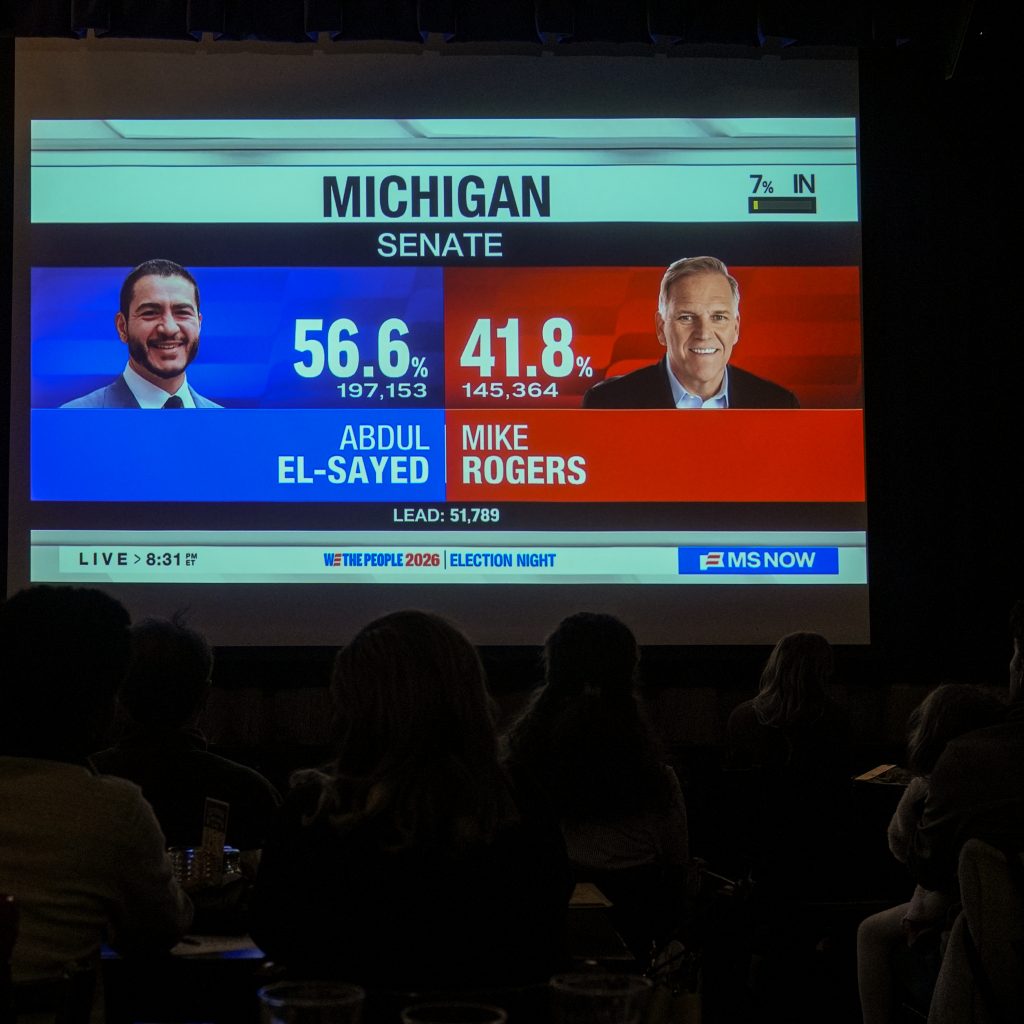
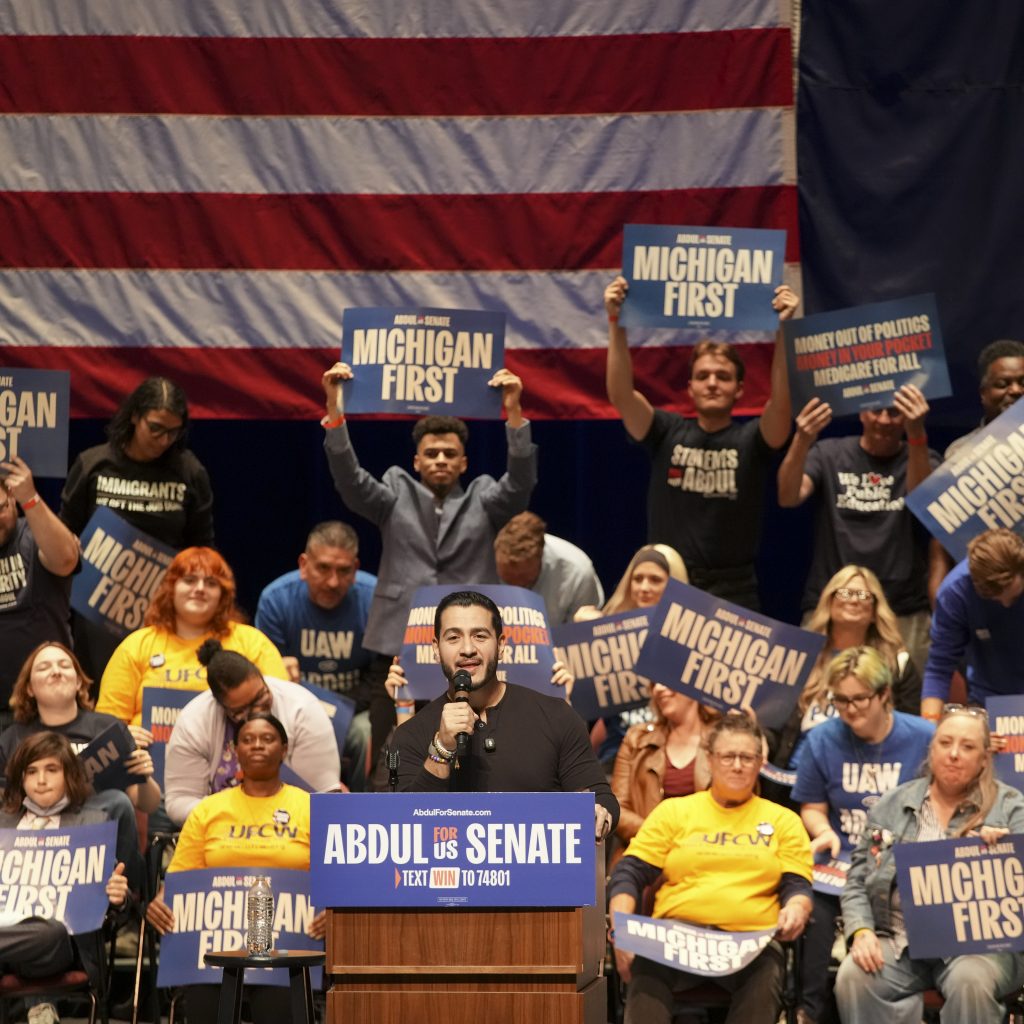
The presence of at least 51 Muslim candidates in the midterm elections is significant, Sanaullah said, reflecting a growing determination within Muslim communities to establish their relevance in local politics and American policymaking.
He noted that many participating candidates belong to the second or third generation of immigrant families and increasingly regard themselves as no less American than other citizens whose parents or grandparents also immigrated to the United States.
“We are simply witnessing the gradual integration of Muslims and other immigrant communities into the American political establishment,” he said.
According to the Council on American-Islamic Relations, 255 Muslim elected officials were serving across 26 states as of August 2026. Sanaullah noted that the figure represents people already holding public office, not candidates contesting the coming elections.
The growing visibility of Muslim and other minority politicians reflects meaningful political integration, he said, although neither the number of candidates nor that of elected officials alone establishes that Muslim Americans have become a decisive national voting bloc.
He described the rise of the far right as a competing demand for cultural and national exclusivity. Growing disagreements over Israel and Palestine are testing whether American political institutions can accommodate an increasingly diverse electorate without triggering a severe backlash, he said.
“In all fairness, we can deem this a turning point, albeit electoral representation is neither the same as political power nor does winning office necessarily mean controlling a party’s leadership, legislative agenda or foreign policy,” he said.
Sanaullah said immigrant communities that once concentrated primarily on establishing businesses, educating their children and securing social acceptance were increasingly seeking representation on school boards, in municipal governments, state legislatures and Congress.
The children of immigrants are no longer necessarily content to remain voters whose interests are represented by others. Younger Muslim Americans often combine their religious and cultural identities with progressive positions on housing, health care, labor rights, racial equality and immigration.
Gaza has also altered their political calculations, he said, while cautioning that Muslim candidates do not necessarily share identical positions on Palestine.
Zohran Mamdani: A model for Muslim politicians?
Zohran Mamdani, New York City’s first Muslim mayor, has demonstrated that a Muslim politician does not necessarily have to conceal or soften his religious and cultural identity to succeed in mainstream American politics, Sanaullah said.
Mamdani’s willingness to openly embrace his Muslim identity, promote a progressive economic program and criticize Israeli government policies in a city with a large Jewish population has encouraged other Muslim candidates to be more confident in their political identities, he said.
Mamdani is already a model for aspiring politicians, Sanaullah said, but candidates seeking to follow his example must remain conscious of political pitfalls, exaggerated campaign claims and the difficulties of delivering election promises.
He argued that aspiring Muslim politicians should not limit their political appeal to outspoken positions on Palestine. Mamdani’s success demonstrates that a Muslim candidate must also offer a progressive but politically competitive agenda addressing the concerns of the wider electorate.
Sanaullah dismissed Professor Norman Finkelstein’s criticism that Mamdani had retreated from some earlier positions, including his campaign stance on boycotting Cornell Tech and his failure to seek an end to New York Police Department cooperation with Israeli law enforcement bodies.
He said it would be inaccurate to characterize Mamdani as having abandoned his pro-Palestinian position altogether.
In October 2026, Mamdani continued to criticize Israel’s conduct in Gaza, describe it as genocide and defend his right to speak openly about Palestinian suffering.
Sanaullah said Finkelstein’s criticism focused on alleged departures from political consistency without sufficiently recognizing that an elected mayor must distinguish between personal convictions, what can legally be implemented and what can realistically be achieved without sacrificing other priorities.
For example, a mayor’s campaign promise to arrest a foreign head of government could run into questions of jurisdiction, immunity and the actual legal authority of the municipal government.
Recognizing such limitations can represent a responsible adjustment rather than a complete betrayal of political principles, he said.
Sanaullah maintained that Mamdani remained committed to protecting Palestinian rights.
He also acknowledged that the mayor’s October 2026 initiative addressing antisemitism attracted criticism. The framework included measures concerning synagogue security and Jewish history, he said.
However, Mamdani should not be considered above criticism, Sanaullah added.
Campaign pledges often reflect maximalist positions that cannot necessarily be translated into government policy.
His more significant contribution, he said, is demonstrating that a Muslim politician can win a major public office without abandoning a distinctive political identity. Whether he becomes a lasting model will depend on how closely his governing record matches his campaign commitments.
Sanaullah said Finkelstein’s challenge, understood as a demand for political accountability, was legitimate. It becomes less persuasive, however, if every compromise is treated as surrender or if municipal government is expected to deliver outcomes that fall within the authority of the federal government.
What would a Democratic takeover mean for U.S.-Pakistan ties?
A Democratic takeover of Congress would not automatically produce a major improvement in U.S.-Pakistan relations or necessarily lead to sanctions over democratic shortcomings in Pakistan, Sanaullah said, describing the bilateral relationship as essentially transactional.
He said the current warmth in relations was also based on strategic considerations rather than a fundamental change in Washington’s approach to South Asia.
“America has made its choice in South Asia, and its strategic partner is India. This order will not change with a change in control of both Houses of Congress. The broad agenda would remain the same,” he said.
Pakistan, he argued, would therefore have an interest in maintaining bipartisan contacts in Congress, explaining its regional security concerns and engaging lawmakers from both parties.
He also said Islamabad should demonstrate credible progress on democratic processes and civil liberties while presenting verifiable evidence of terrorist activities by India and Afghanistan inside Pakistan.



Read also