UN experts warn of sweeping abuses in Kashmir after Pahalgam attack
Eight UN Special Rapporteurs say India’s mass arrests, detentions and demolitions after the Pahalgam attack violate global human rights norms
© File Photo
SRINAGAR, Kashmir (MNTV) — Eight United Nations Special Rapporteurs have raised alarm over what they describe as serious and widespread human rights violations committed by Indian authorities in Indian-administered Jammu and Kashmir following a deadly attack in Pahalgam on April 22.
While condemning the attack that targeted a tourist area, the experts said counter-terrorism responses must still comply with international law.
In their joint statement, they warned that India’s sweeping operations in the aftermath of the attack had resulted in mass arrests, abusive detentions and reprisals against Kashmiri civilians, journalists and human rights defenders.
According to the UN experts, Indian forces detained around 2,800 people, many under the Public Safety Act (PSA) and the Unlawful Activities (Prevention) Act (UAPA) — laws that permit extended detention without charge and contain broad definitions of terrorism. Some detainees were reportedly tortured, held incommunicado, or denied access to lawyers and family members.
The rapporteurs also condemned reports of arbitrary arrests, custodial deaths, torture, lynchings, and discriminatory treatment of Kashmiri and Muslim communities.
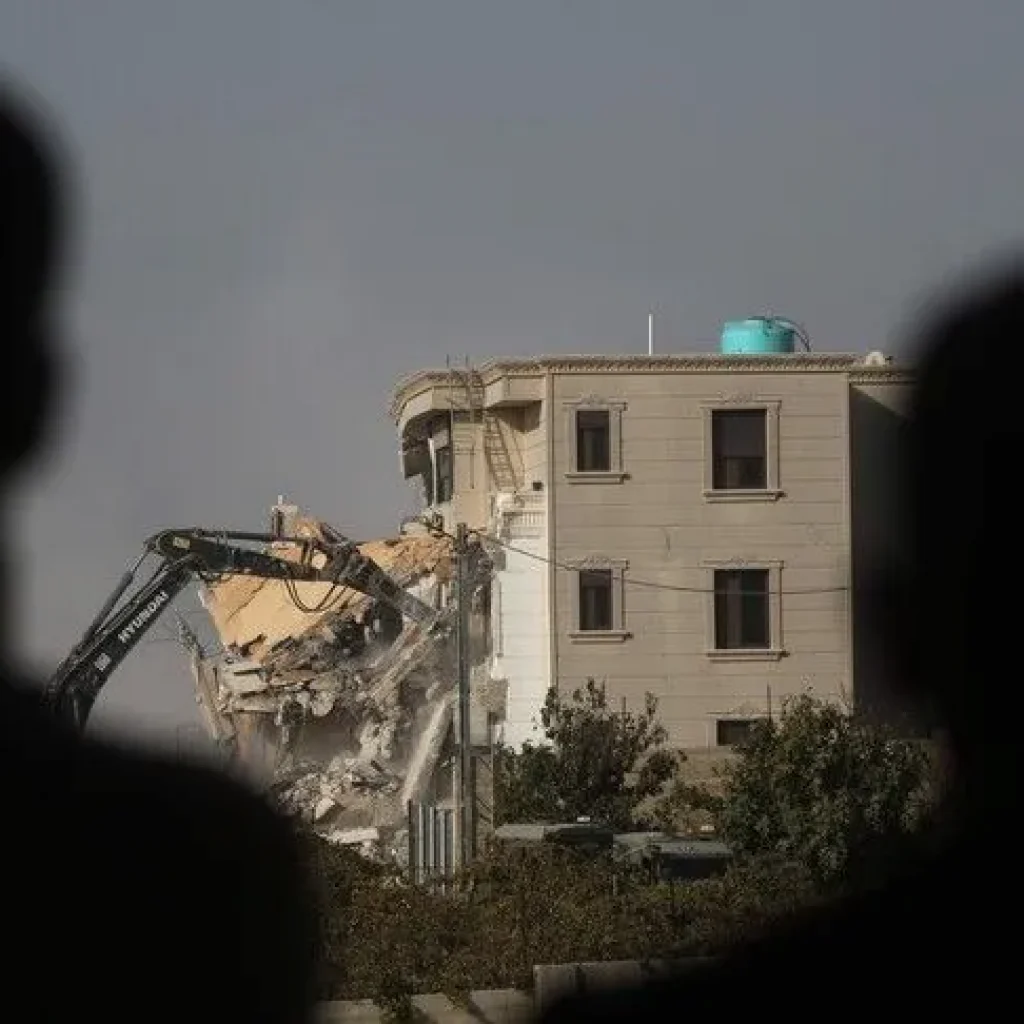
They highlighted punitive house demolitions and forced evictions targeting families of individuals accused of militancy — actions they said amounted to collective punishment and violated a 2024 Indian Supreme Court ruling declaring such demolitions unconstitutional.
The crackdown extended to digital spaces. Authorities reportedly suspended mobile internet services and blocked nearly 8,000 social media accounts, including those operated by journalists and independent outlets. The UN experts said these measures impose disproportionate restrictions on freedom of expression and peaceful assembly.
The statement also warned that India’s response reverberated beyond Kashmir. Kashmiri students across Indian states allegedly faced surveillance and harassment after universities were instructed to collect their personal data. Simultaneously, hate speech against Muslims surged, including incendiary remarks from political figures associated with the ruling party.
In Gujarat and Assam, the rapporteurs noted, demolitions targeted thousands of Muslim homes, mosques and businesses. Nearly 1,900 Muslims and Rohingya refugees were summarily expelled to Bangladesh and Myanmar — actions the experts said violated the principle of non-refoulement, which prohibits returning people to places where they face serious harm.
The UN experts also pointed to the long-standing detention of Kashmiri human rights defenders such as Khurram Parvez and Irfan Mehraj, urging India to immediately release all individuals arbitrarily held under security laws.
Calling on New Delhi to align its counter-terrorism practices with international human rights standards, the experts warned that excessive force and discriminatory measures fuel deeper alienation and could escalate tensions further.
They also urged India and Pakistan to pursue a peaceful resolution to the decades-long conflict, warning that unresolved tensions continue to drive cycles of violence and systemic rights violations.


Read also