Ramadan begins in Gaza amid fragile ceasefire and despair
War devastation and economic collapse dampen festive spirit as displaced Palestinians mark holy month under continued Israeli military pressure
© Anadolu Agency
GAZA CITY, Palestine (MNTV) — Palestinians in the Gaza Strip are entering the Muslim holy month of Ramadan under a fragile ceasefire, widespread devastation, grief, and economic hardship have overshadowed the traditional atmosphere of celebration and spirituality.
Ramadan, which begins Wednesday in Gaza, is typically a period of fasting, prayer, charity, and communal gatherings. However, many residents say the trauma of Israel’s prolonged military assault has stripped the month of its usual joy.
“There is no happiness after losing our loved ones,” said a Gaza City resident to Arab News who lost family members during the war. “We try to cope, but the feeling of Ramadan is no longer in our hearts.”
Israel’s military campaign has killed more than 72,000 Palestinians, according to Palestinian health authorities, displacing vast majority of the population and leaving much of the enclave in ruins.
Economic collapse has further deepened the suffering. Residents say unemployment, cash shortages, and soaring prices have made even basic Ramadan preparations impossible.
“There is no money, no work. Ramadan needs resources, and people simply do not have them,” said a local market visitor, urging merchants to show compassion amid the crisis.
Many Gazans recall that before the war, Ramadan was marked by illuminated streets, family gatherings, and children playing beneath festive decorations.
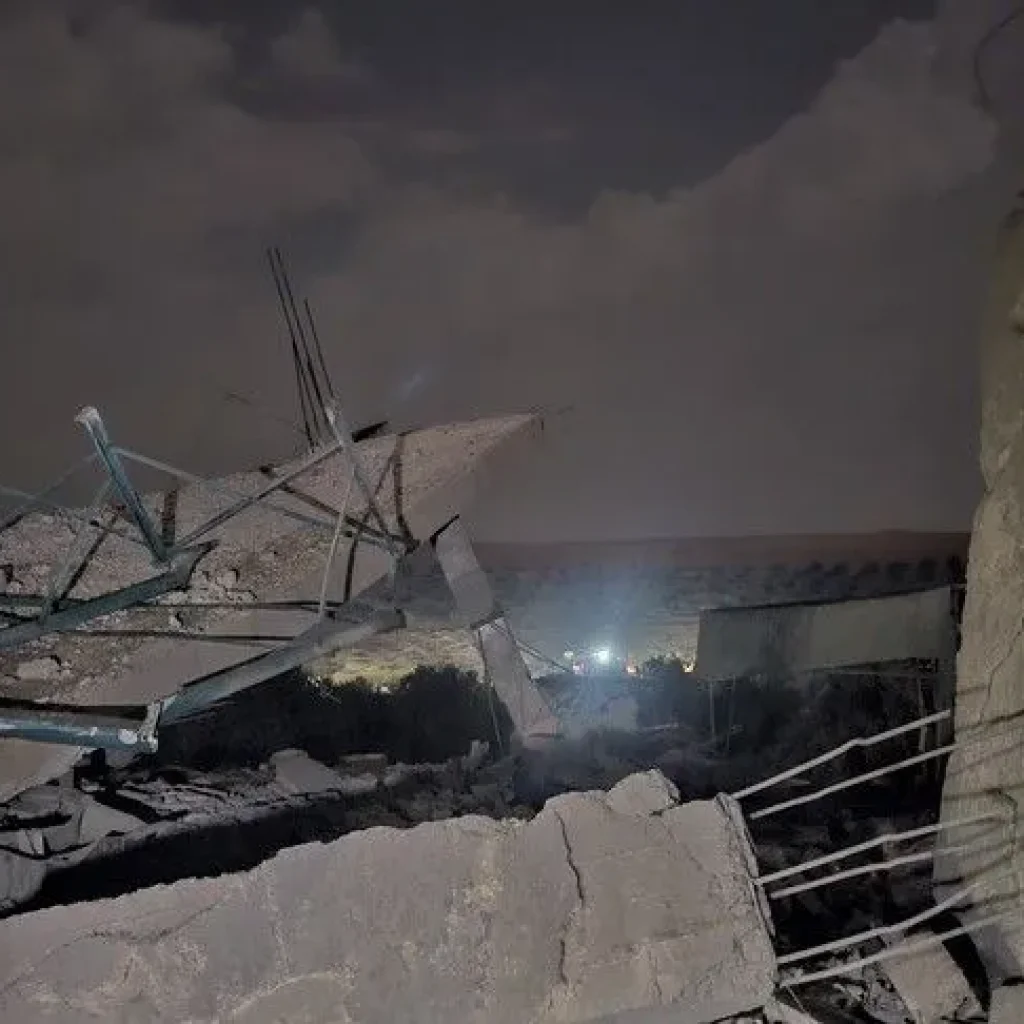
Now, tents and debris dominate the landscape, and displacement camps struggle with cold weather, flooding, and limited humanitarian assistance.
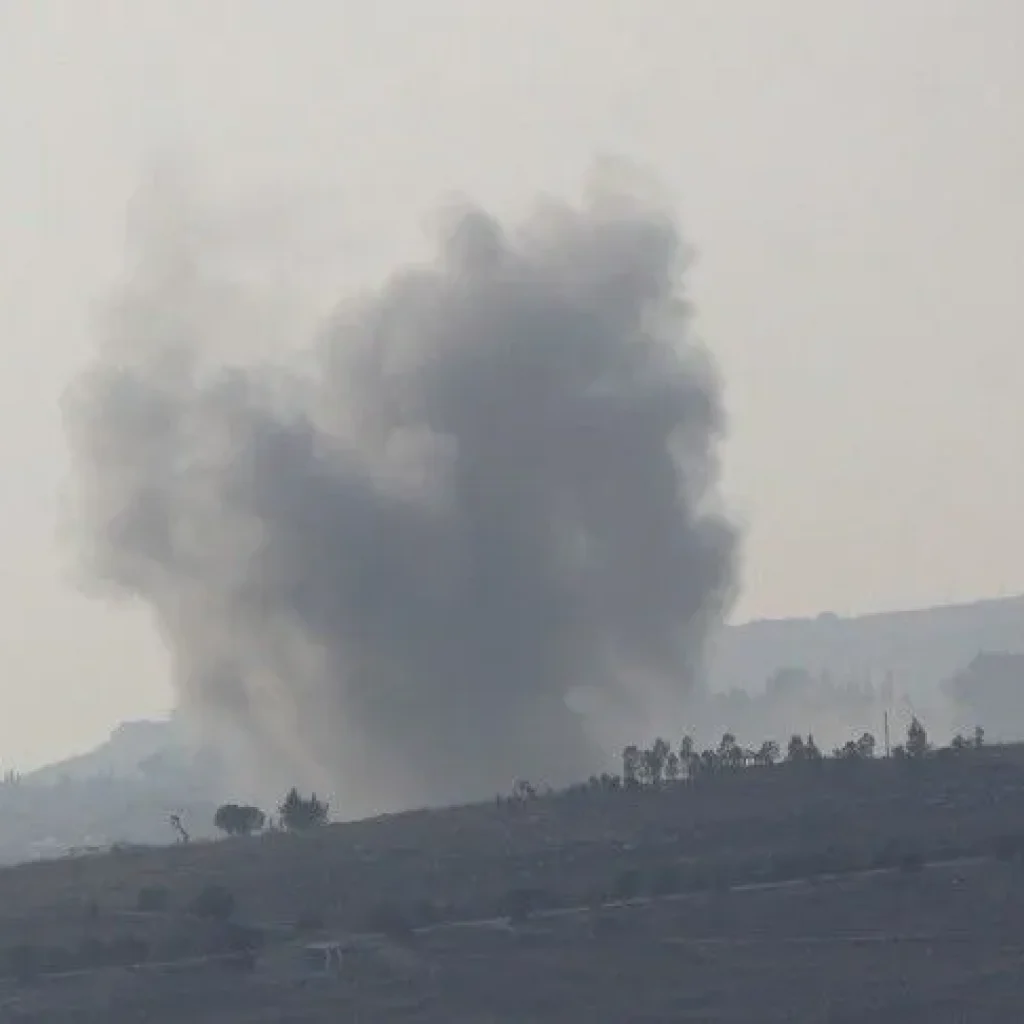
Despite the ceasefire announced in October, Israeli forces have continued frequent strikes and shootings in Gaza, killing hundreds more Palestinians.
Amid the destruction, some residents are attempting to revive the spirit of Ramadan for children and families. Artists and volunteers have painted murals, hung simple decorations among the ruins, and organized small community events.
In Khan Younis, a calligrapher painted “Welcome, Ramadan” on damaged walls as children gathered to watch. Others strung lanterns and lights in displacement camps, hoping to offer a brief moment of comfort.
“We want to show the world that we are people who seek life,” said a local volunteer. “Even in hardship, we try to bring happiness to children and families.”
For many Palestinians, Ramadan this year is marked by mourning and resilience rather than celebration, as they endure ongoing humanitarian catastrophe under occupation and military assault.



Read also