Pezeshkian says Iran ‘will never bow’ as Trump rejects Tehran proposal
He said that if an agreement aligned with the concerns of Iran’s leadership and national interests, Tehran would honor its commitments
© AA
TEHRAN, Iran (MNTV) — Iranian President Masoud Pezeshkian said Tehran would “never bow down to the enemy” and would continue defending its national interests “with strength,” following Iran’s formal response to a U.S. proposal aimed at ending the war it, together with Israel, had imposed on Iran in late February.
Writing on X on Sunday, Pezeshkian said Iran would not retreat from what it considers its legitimate rights.
“We will never bow before the enemy,” he wrote.
The remarks came shortly after Iranian state media reported that Tehran had officially submitted its response to Washington’s latest proposal to end the conflict involving the United States and Israel.
According to Iranian officials, the proposal calls for full compensation for war damages, the lifting of all sanctions, the release of frozen Iranian assets and recognition of Tehran’s sovereignty over the Strait of Hormuz.
“If there is any talk of dialogue or negotiation, it does not mean surrender or backing down, but rather the goal is to secure the rights of the Iranian nation and powerfully defend national interests,” Pezeshkian said.
U.S. President Donald Trump sharply criticized Iran’s response, calling it “totally unacceptable.”
“I have just read the response from Iran’s so-called ‘Representatives.’ I don’t like it — TOTALLY UNACCEPTABLE!” Trump wrote on Truth Social on Sunday.
Trump had earlier told Axios that Tehran’s response was “inappropriate,” without providing further details.
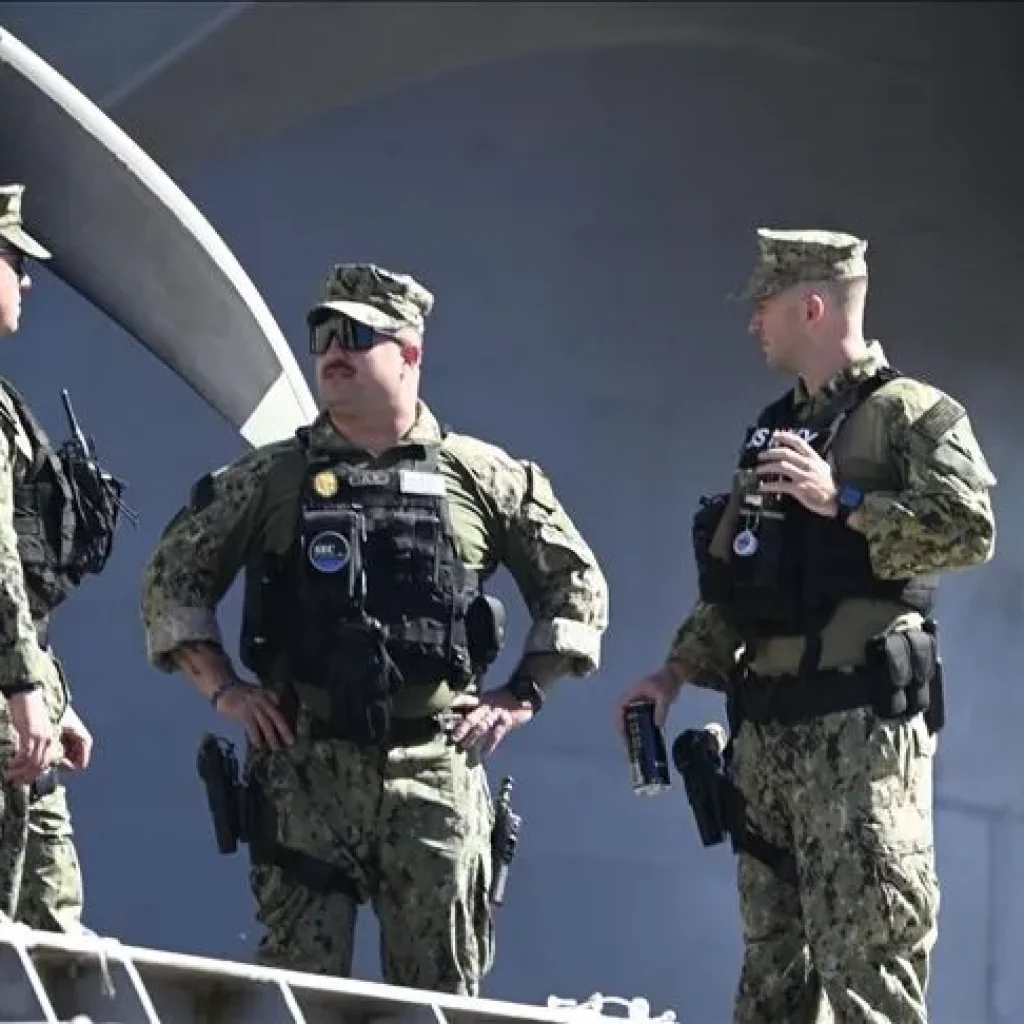
The latest exchange follows weeks of fragile diplomacy and intermittent tensions around the Strait of Hormuz, where the United States has maintained a naval blockade while Iran continues to assert control over the strategic waterway.
Mohammad Mokhber, a senior adviser to Iran’s Supreme Leader, compared the strategic importance of the Strait of Hormuz to an “atomic bomb” and said Tehran would not “forfeit the gains of this war.”
Separately, Pezeshkian outlined what he described as three possible paths facing Iran after the conflict: negotiations from a position of strength, a prolonged state of “neither war nor peace,” or continued confrontation.
Speaking during a meeting with commanders and senior officers of Iran’s Law Enforcement Force, known as FARAJA, Pezeshkian said Iran’s preferred course was to translate battlefield gains into diplomatic achievements.
“The rational and logical preference, grounded in national interest, is for the victory secured by the Armed Forces on the battlefield to be completed in the diplomatic arena,” he said.
Pezeshkian said Iran remains open to negotiations but stressed that diplomacy would be pursued with caution and without trust in its adversaries.
“The Islamic Republic of Iran, on this same basis, while maintaining distrust of the enemy, considers negotiations possible — from a position of dignity, wisdom and expediency,” he said.
He added that if an agreement aligned with the concerns of Iran’s leadership and national interests, Tehran would honor its commitments.


Read also