Kazakhstan spotlights minority inclusion at world faith congress
Astana’s reforms on multilingual education and interethnic participation praised by OSCE as lessons in conflict prevention
© File Photo
ASTANA, Kazakhstan (MNTV) — Minority rights and interethnic dialogue took center stage in Kazakhstan this week as government officials and the Organization for Security and Co-operation in Europe (OSCE) pledged closer cooperation on policies designed to prevent ethnic tensions.
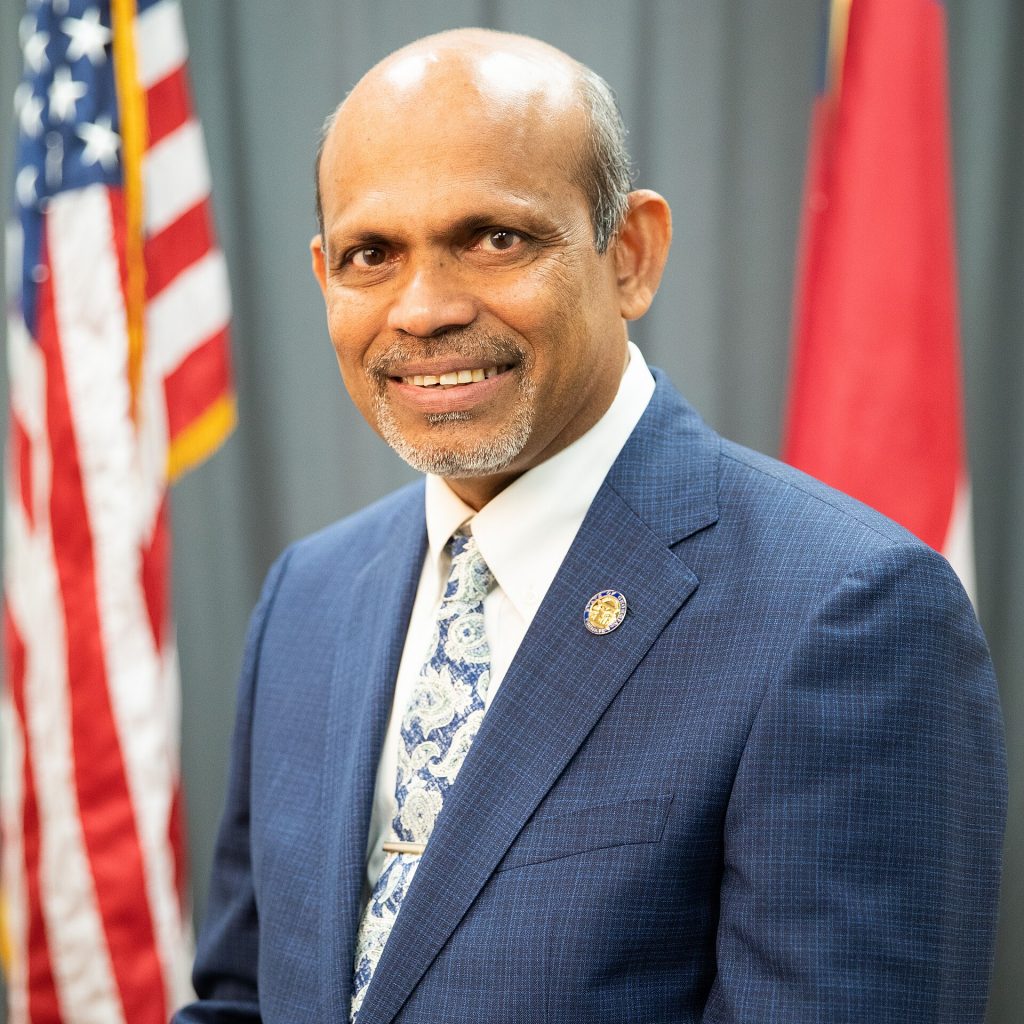
Deputy Foreign Minister Arman Issetov met with Christophe Kamp, the OSCE High Commissioner for National Minorities, during the VIII Congress of Leaders of World and Traditional Religions, which opened in Astana on September 17.
According to the state-run Kazinform News Agency, the meeting addressed multilingual education, the role of minorities in socio-economic life, and their participation in government decision-making.
Issetov outlined Astana’s political, economic, and social reforms, emphasizing that they aim to improve citizens’ well-being while safeguarding minority inclusion. Kamp praised Kazakhstan’s “unique experience” in promoting linguistic and cultural rights, saying its model of interethnic harmony has produced tangible results and offers lessons for broader international conflict prevention.
The OSCE envoy also set out his priorities of easing ethnic tensions through dialogue, consultation, and practical recommendations — an approach that aligns with Kazakhstan’s roadmap for political reform.
Both sides confirmed readiness to expand cooperation in human rights protection, minority participation, and mechanisms for early conflict prevention.
The discussions unfolded against the backdrop of the faith congress, held under the theme “Dialogue of Religions: Synergy for the Future.”
The gathering has drawn religious leaders, policymakers, and international organizations from across the world, providing Astana with a platform to link its domestic interethnic policies to a wider narrative of global dialogue and stability.
Related posts

Read also