India demolishes madrasa in bulldozer drive
Police-backed demolition of Islamic school in northern India intensifies debate over selective enforcement and state power
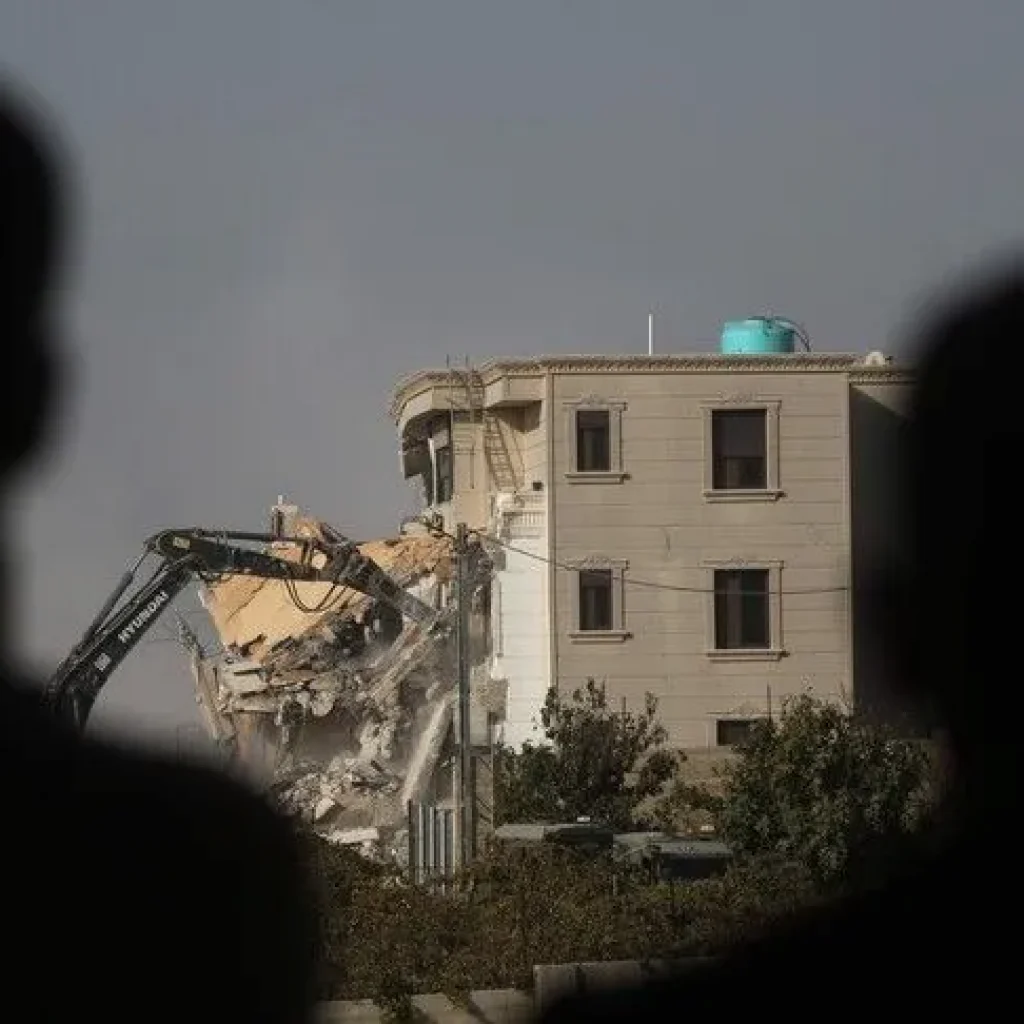
NEW DELHI, India (MNTV) — Authorities in India’s northern state of Uttar Pradesh demolished a madrasa in Sambhal district on Thursday, deploying heavy security in a Muslim locality and renewing debate over the state’s increasingly visible use of bulldozers as an enforcement tool.
The structure, Darul Uloom Madrasa, stood in Naroli town in western Uttar Pradesh, about 180 kilometers east of New Delhi. District officials claim the building occupied public land designated in revenue records for civic use and was removed under anti-encroachment provisions after notices were issued.
Residents said the area was effectively sealed off before the demolition began, with personnel from multiple police stations and armed units surrounding the site. Families were seen removing books and furniture as bulldozers advanced. Several nearby houses were also declared unauthorized, raising fears of further action.
Local Muslim residents questioned both the process and the timing. Many said the madrasa had long served as a center of religious and basic education for children from low-income families.
Some families whose homes were marked illegal said they had lived there for years and were given little clarity on what options remained. Community members described the security deployment as overwhelming, saying it created an atmosphere of intimidation rather than routine enforcement.
Uttar Pradesh, governed by the Hindu nationalist Bharatiya Janata Party, has in recent years made demolition drives a hallmark of its administrative approach. Bulldozers have been used in cases labeled as illegal construction or law-and-order violations, often in Muslim neighborhoods.
State authorities frame the actions as neutral enforcement of land laws. However, repeated operations in minority areas have intensified perceptions that bulldozers function not only as administrative instruments but also as political symbols.
Legal practitioners note that while authorities have the power to clear encroachments on public land, demolition of religious and educational structures carries heightened sensitivity and demands strict adherence to due process safeguards.
By late afternoon, the madrasa had been reduced to rubble under continued police watch. Officials said the situation remained under control.
For residents of Sambhal’s Banjari Koan locality, the demolition was more than a land dispute. Many described it as a moment that deepened uncertainty over property rights, religious security and equal treatment under the law in a state where governance and identity increasingly intersect.


Read also