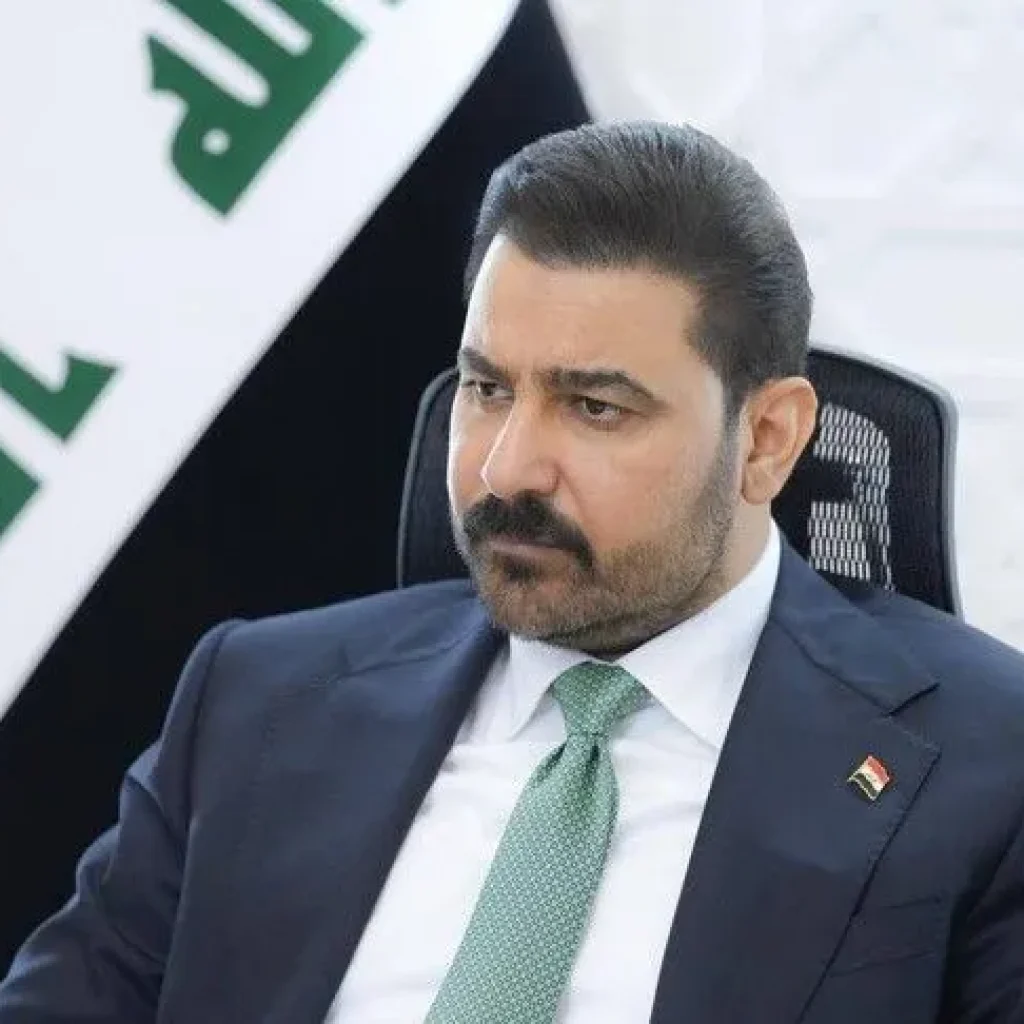
Bangladesh becomes first South Asian nation to join UN Water Convention
Facing rising climate threats and regional water stress, Bangladesh joins global treaty to strengthen transboundary water cooperation
© File Photo
DHAKA, Bangladesh (MNTV) — Bangladesh has officially joined the UN Convention on the Protection and Use of Transboundary Watercourses and International Lakes, becoming the first South Asian country to accede to the global treaty aimed at equitable and sustainable water governance.
The move comes as Bangladesh grapples with intensifying climate pressures, including rising sea levels, salinity intrusion, and water scarcity affecting millions. As a delta nation crossed by 57 transboundary rivers—most critically the Ganges-Brahmaputra-Meghna (GBM) system—the country’s future water security is inextricably tied to cross-border cooperation.
Over 65 million people in Bangladesh still lack access to safely managed sanitation services, making the need for shared water governance frameworks more urgent than ever.
The UN Water Convention provides a binding legal and institutional mechanism to facilitate cooperation over both surface and groundwater resources shared by multiple countries.
Bangladesh has engaged with the treaty framework for over a decade, participating in key meetings, including the 10th Meeting of the Parties held in Slovenia last year.
The country’s formal accession signals a growing willingness to pursue multilateral avenues for managing shared resources, even as many water-sharing agreements in the region remain bilateral and often politically fraught.
“Climate change, population growth, and rising water demand mean no country can afford to go it alone,” said Syeda Rizwana Hasan, a senior adviser to the government on water and climate issues. “This Convention helps us pursue more inclusive and long-term solutions.”
Bangladesh already has several water-sharing arrangements with neighboring countries, including the Ganges Water Sharing Treaty with India and engagement with Nepal, Bhutan, and China through various bilateral platforms.
However, the Convention adds an international layer of accountability and cooperation that experts say is increasingly vital in a warming world.
Global officials welcomed the decision, with Tatiana Molcean, Executive Secretary of the UN Economic Commission for Europe (UNECE), calling it a “milestone for South Asia.” Sonja Koeppel, Secretary to the UN Water Convention, urged other countries in the region to follow suit.
The development also aligns with broader UN efforts to strengthen global water diplomacy ahead of the next UN Water Conference, scheduled for December 2026 in the United Arab Emirates.


Read also