US threatens major escalation after Iran renews regional strikes
Iran targets US base in Jordan as Washington expands military campaign into Iraq alongside Saudi Arabia, raising fears of wider regional war
© Anadolu Agency
WASHINGTON (MNTV) — The United States has threatened a major new military escalation against Iran after Tehran launched renewed missile attacks on American forces in Jordan, while Washington simultaneously widened the conflict by joining Saudi Arabia in airstrikes against Iran-aligned armed groups in Iraq.
US President Donald Trump vowed a forceful response after Iran’s latest attack, warning that Washington would strike Tehran “very hard.”
Speaking after a White House meeting with Israeli Prime Minister Benjamin Netanyahu and later in remarks reported by US media, Trump said Iran should expect “a beating,” signaling that further military action was imminent.
The latest escalation followed Iran’s announcement that its Islamic Revolutionary Guard Corps (IRGC) had fired ballistic missiles at US military installations in Jordan in retaliation for what it described as continued American aggression.
The US military said the missiles were intercepted and reported no casualties, while Jordan also confirmed intercepting incoming projectiles over its territory.
Hours later, US and Saudi forces launched coordinated airstrikes on multiple positions belonging to Iraq’s Popular Mobilization Forces (PMF), an umbrella organization that includes several Iran-backed factions.
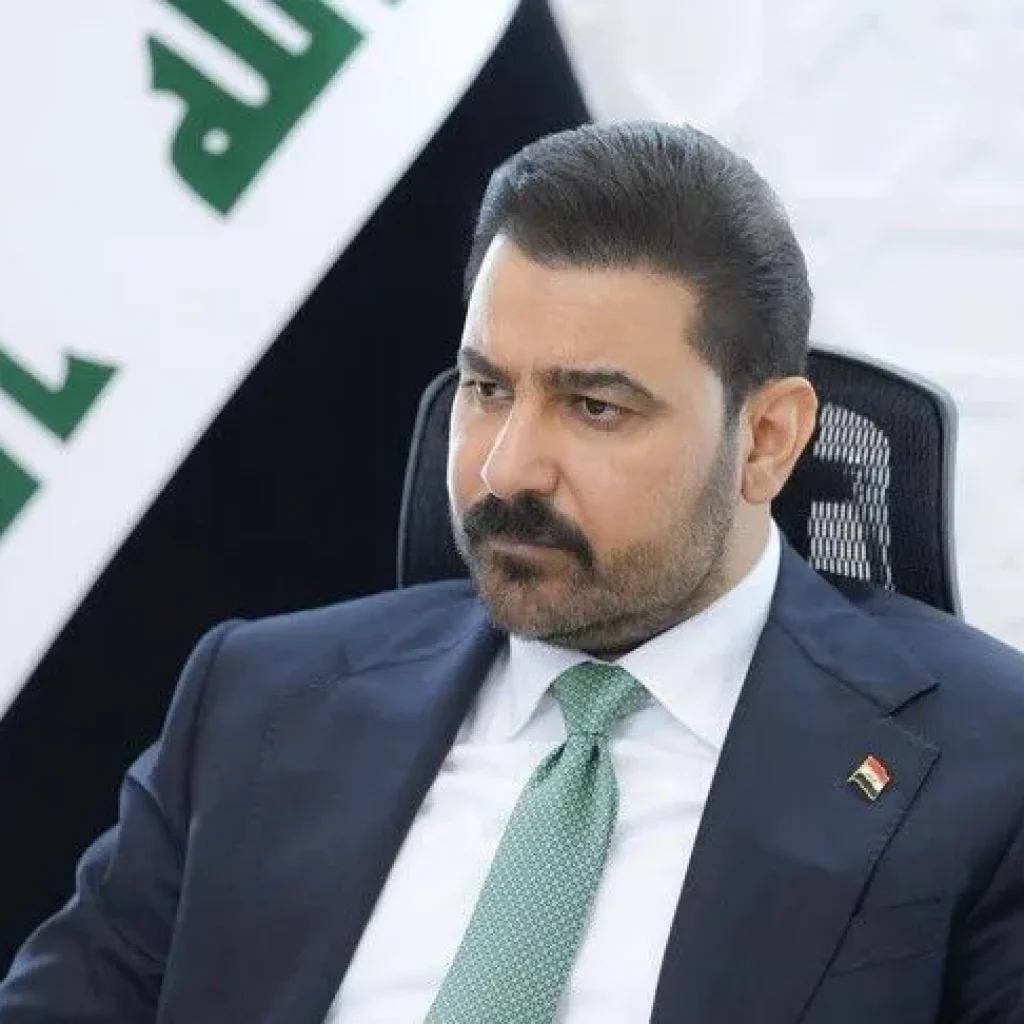
Iraqi officials and the PMF said at least 20 fighters were killed, dozens were wounded, and several Iranian military advisers also died in the attacks. Baghdad condemned the strikes as a violation of Iraqi sovereignty and postponed a planned visit by Prime Minister Ali al-Zaidi to Saudi Arabia.
Washington justified the attacks by accusing Iran-backed groups in Iraq of launching repeated drone strikes against Saudi oil facilities, allegations denied by several Iraqi resistance factions, which accused the United States and Saudi Arabia of using unverified claims to justify expanding the war.
The renewed fighting comes after several days of relative calm that had raised hopes of reviving indirect negotiations between Washington and Tehran through regional mediators.
Those efforts have largely collapsed as both sides resumed military operations across multiple fronts, including the Gulf, Iraq, Jordan and the Red Sea.
The conflict has increasingly spread beyond direct US-Iran confrontation. Yemen’s Houthi movement has intensified attacks on Saudi energy infrastructure and shipping, declaring a maritime blockade against Saudi-linked vessels in response to Riyadh’s involvement in the war.
Iran has also continued threatening commercial navigation through the Strait of Hormuz while rejecting Omani proposals aimed at restoring normal maritime traffic.
The expanding conflict has disrupted regional energy markets, with attacks damaging Saudi oil facilities and reports emerging of strikes on gas vessels near Egypt’s Mediterranean coast. Brent crude prices rose sharply following the latest escalation as investors feared further disruptions to global energy supplies.
Despite the United States possessing overwhelming military superiority, analysts warn that Iran continues demonstrating its ability to sustain a prolonged asymmetric conflict by targeting American bases, regional allies and strategic shipping routes.
The repeated attacks have also renewed concerns over declining US interceptor missile stockpiles after months of continuous regional operations.
Trump’s latest threats followed high-level talks with Netanyahu, whose government has consistently pushed for continued military pressure on Iran rather than renewed diplomacy.
While Washington has repeatedly alternated between calls for negotiations and threats of overwhelming force, recent developments suggest the United States is increasingly expanding its military campaign instead of pursuing de-escalation.
Regional governments have urged restraint amid growing fears that continued tit-for-tat attacks could draw more Middle Eastern states directly into the conflict, further destabilizing an already volatile region and increasing the risk of a broader war.


Read also