Qatar launches eye care program for Rohingya refugees in Bangladesh
Qatar-backed initiative will provide free treatment and fund 400 surgeries as estimated 90,000 Rohingya in Bangladesh’s refugee camps face vision problems
© File Photo
DHAKA, Bangladesh (MNTV) — Qatar has launched a specialized eye care program for Rohingya refugees in Bangladesh, offering free examinations, medicines and eyeglasses while funding hundreds of surgeries as thousands of displaced people struggle to access treatment for vision problems.
The Qatar Red Crescent Society (QRCS) launched the four-month initiative in partnership with the Bangladesh Red Crescent Society in Cox’s Bazar, home to the world’s largest concentration of Rohingya refugees.
Under the program, medical teams will conduct 15 field campaigns to examine patients, provide consultations and health education, and distribute eyeglasses and medicines free of charge. Patients requiring cataract surgery will be referred to specialized hospitals.
Qatar’s Red Crescent will cover the cost of 400 surgeries, including transportation, medicines and post-operative care, removing expenses that can put specialist treatment beyond the reach of refugees.
The intervention addresses a significant gap in health services in the camps. The World Health Organization estimates that about 10% of camp residents suffer from vision problems, equivalent to roughly 90,000 people requiring specialized care.
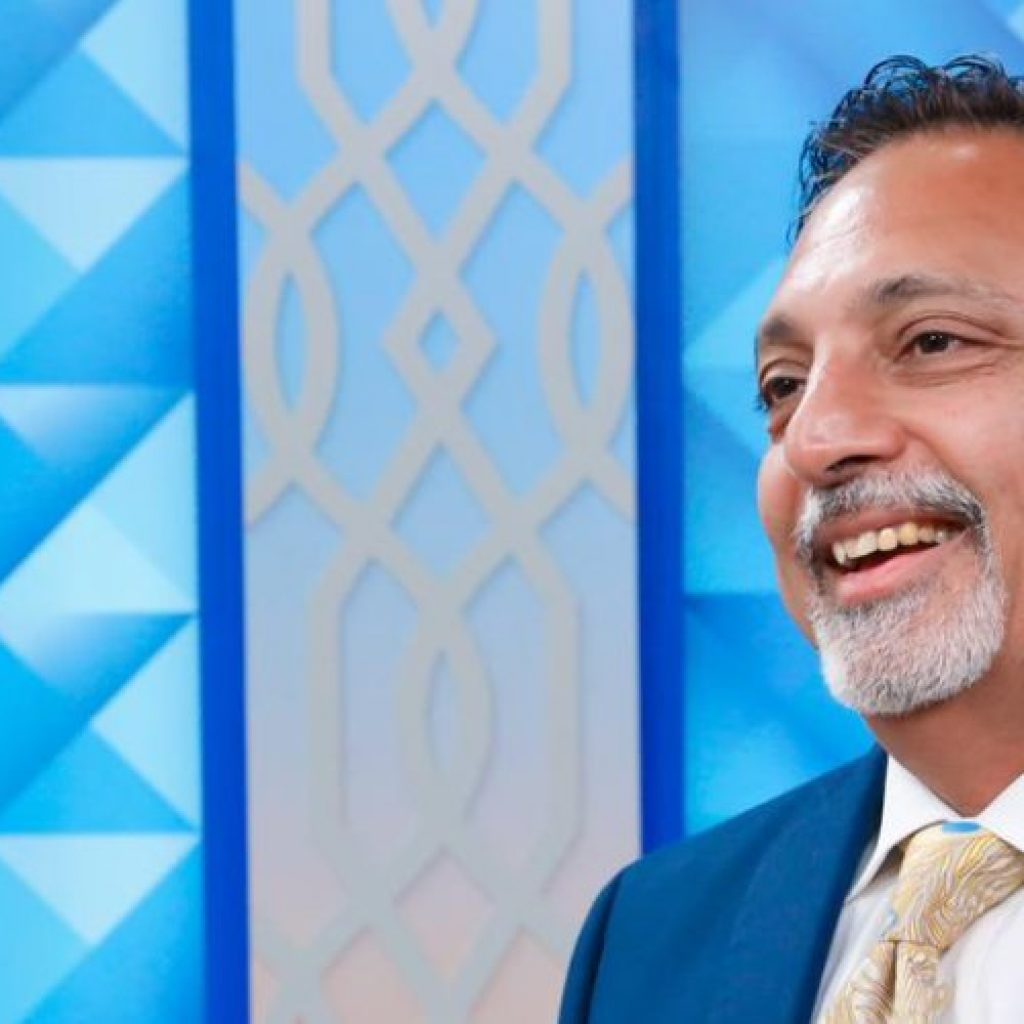
Many of those targeted are older people, for whom distance from specialist hospitals and the cost of treatment have made even treatable eye conditions difficult to address, according to Mohamed Thabet Safi, head of QRCS’s mission in Bangladesh.
The program will also provide services to Bangladeshis living in communities surrounding the refugee settlements.
Humanitarian programs in Cox’s Bazar increasingly include host communities, which have faced additional pressure on local health services and infrastructure since the mass arrival of Rohingya refugees.
Bangladesh shelters around one million Rohingya, most of whom fled neighboring Burma during a brutal military crackdown in 2017.
Nearly nine years of prolonged displacement have left the population increasingly dependent on humanitarian assistance not only for food and shelter but also for long-term and specialized medical care.
For Rohingya refugees, access to such treatment remains particularly difficult because they are largely confined to the camps and depend heavily on humanitarian health facilities and referrals for services unavailable inside the settlements.


Read also