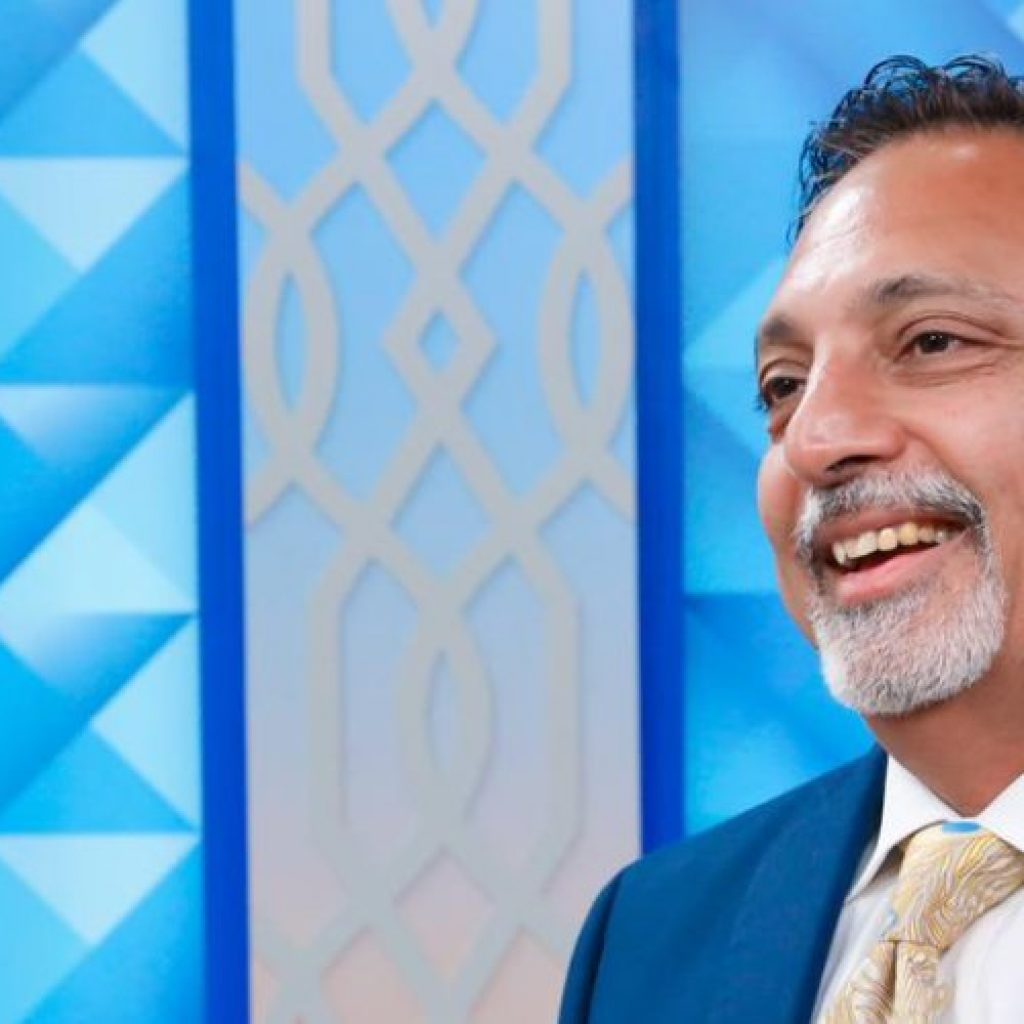
Bangladesh sentences senior Sheikh Hasina party leader to death
Mahbubul Alam Hanif was convicted of crimes against humanity over killing of six protesters during 2024 uprising that toppled Hasina's government
© File Photo
DHAKA, Bangladesh (MNTV) — A Bangladeshi tribunal has sentenced a senior leader of former Prime Minister Sheikh Hasina’s now-banned Awami League party to death for crimes against humanity committed during the 2024 mass uprising that ended her 15-year rule.
Mahbubul Alam Hanif, a joint general secretary of the Awami League, was convicted Thursday over the killing of six people in Kushtia district during the student-led protests that eventually forced Hasina from power.
The International Crimes Tribunal-2, a three-member judicial panel headed by Justice Nazrul Islam Chowdhury, also sentenced three other Awami League leaders to imprisonment for the remainder of their lives.
The three are Sadar Uddin Khan, president of the party’s Kushtia district unit, Azgar Ali, its district general secretary, and Ataur Rahman Ata, general secretary of the party’s Kushtia city unit.
All four defendants remain at large and were tried in their absence, with a state-appointed lawyer representing them.
The tribunal found Hanif guilty on six counts under the first charge and imposed the death penalty. He also received life sentences with hard labor on several additional charges, including those involving conspiracy and incitement.
The other three defendants were sentenced to imprisonment for the remainder of their lives with hard labor for their involvement in the killings. The court also imposed additional life sentences on all four defendants for other offenses.
Prosecutors argued that Hanif played a significant role in coordinating the violent suppression of the uprising through his position in Hasina’s ruling party.
According to prosecutor Gazi MH Tamim, Hanif participated in high-level political decisions aimed at crushing the protests and subsequently coordinated their implementation through local officials and party activists.
The prosecution alleged that Hanif communicated instructions through telephone conversations and directed police officials, local government representatives and Awami League members to carry out attacks against protesters.
Investigators submitted records of those telephone conversations as evidence linking Hanif to the violence.
Prosecutors also argued that Hanif’s senior position within the Awami League placed him among the political figures responsible for organizing the crackdown.
The prosecution presented testimony from 19 witnesses during the proceedings, which began after the tribunal formally framed charges against the defendants in November 2025.
The convictions are part of Bangladesh’s broader effort to prosecute political leaders and officials implicated in the deadly suppression of the July-August 2024 uprising.
The protests began as a student movement against government job quotas but escalated into a nationwide revolt following violent crackdowns by security forces and supporters of Hasina’s government.
Hasina eventually fled to India in August 2024, ending more than 15 years of increasingly authoritarian rule marked by allegations of enforced disappearances, political repression and restrictions on dissent.
The latest verdict adds to the legal consequences facing senior figures of her former ruling party as Bangladesh continues to pursue accountability for violence committed during the uprising.
Read also