Trump weighs Iran strikes after midterms as war drives up costs
Private warnings to Middle Eastern allies raise fears of renewed bombing, wider regional retaliation and further economic pressure on American households
© Anadolu Agency
WASHINGTON (MNTV) — The Trump administration has privately warned Middle Eastern allies to prepare for possible renewed U.S. strikes against Iran after the Nov. 3 midterm elections, raising the prospect of another escalation in a war that has already increased fuel costs and placed mounting pressure on American taxpayers.
According to the media sources, two diplomats briefed on the warnings said U.S. officials had also urged regional governments to prepare for possible Iranian retaliation against energy facilities and other critical infrastructure.
President Donald Trump has not made a final decision on further military action but has repeatedly suggested that bombing could resume after the elections.
The timing of the warnings raises questions about the administration’s handling of a conflict that Trump has simultaneously portrayed as nearing an end while keeping the threat of expanded military operations on the table.
The possibility of renewed strikes after Election Day also comes as Republican candidates face voter frustration over higher gasoline prices and the broader economic consequences of the war.
U.S. officials reportedly told regional allies that a new round of attacks could last several days. However, diplomats said regional governments were concerned that Iranian forces and allied armed groups could retaliate, potentially extending the conflict beyond Washington’s expected timeframe.
The warnings have prompted calls for restraint across the region.
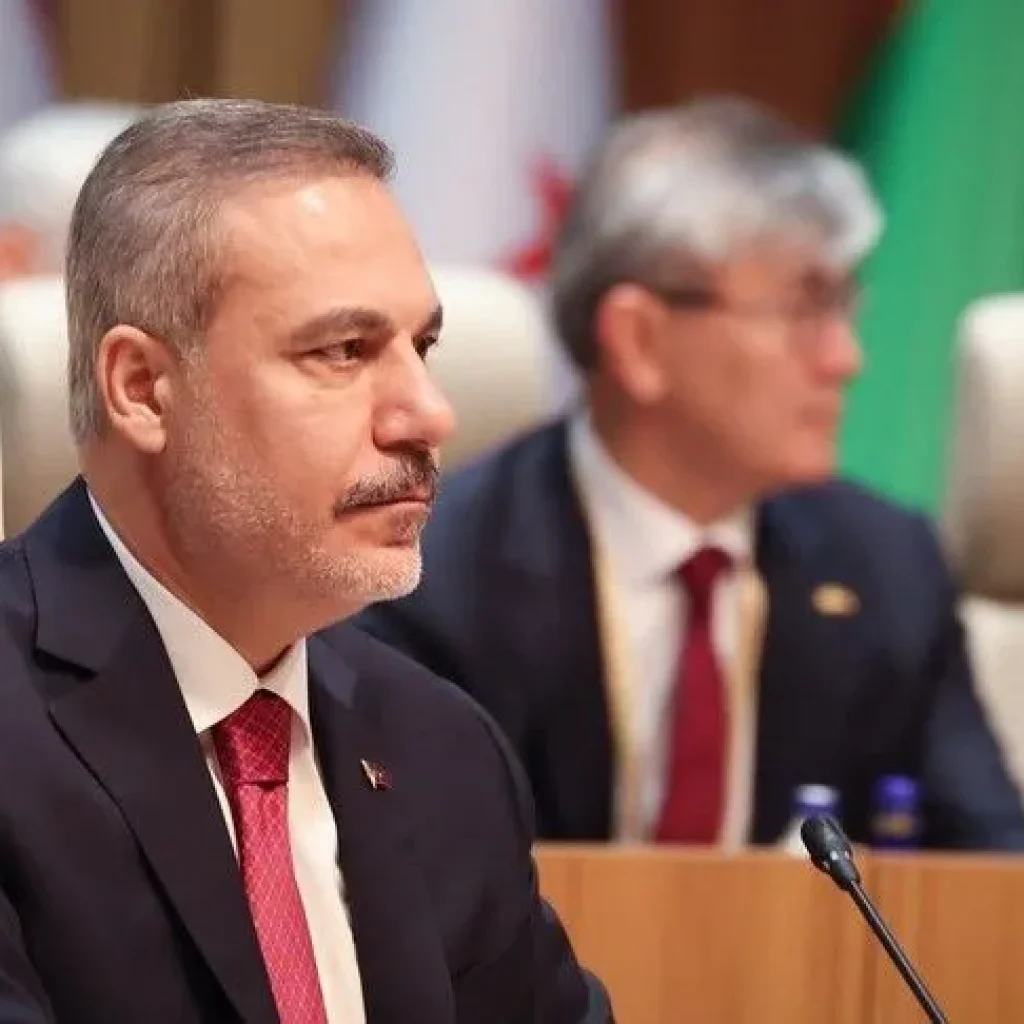
United Arab Emirates’ Foreign Ministry urged the parties to pursue political solutions and contain tensions, while Iranian Foreign Minister Abbas Araghchi said Tehran remained open to diplomacy and was working with mediators to revive negotiations around an earlier ceasefire proposal rejected by Trump.
Iran’s diplomatic position remains at odds with Washington’s continued military pressure. Although the United States has not struck Iran since early September, the administration has expanded its military presence in the region, reinforcing concerns that a return to large-scale hostilities remains possible.
The Pentagon recently deployed the USS Theodore Roosevelt and accompanying amphibious ships carrying Marines toward the Persian Gulf, bringing roughly 9,000 additional personnel into the regional buildup.
A previous U.S. official said the deployment could help produce a naval presence exceeding 20,000 sailors and Marines, alongside hundreds of aircraft.
The wider conflict has also spread beyond direct U.S.-Iran hostilities. Houthi forces have attacked Saudi oil infrastructure and airports, while a Saudi-led coalition has carried out deadly strikes on Houthi-held territory in Yemen.
Further Iranian retaliation against regional infrastructure could threaten energy supplies and deepen instability across an already volatile Middle East.
The financial cost of the war is becoming increasingly difficult for the administration to separate from domestic politics.
The Pentagon’s latest estimate puts the cost to American taxpayers at $47.1 billion, while elevated fuel prices have added to pressure on households and complicated Republican efforts to defend their economic record ahead of the midterms.
Trump has repeatedly suggested that the conflict could end within weeks, while insisting that any settlement must prevent Iran from obtaining a nuclear weapon.
Speaking at a campaign event in Lubbock, Texas, he suggested that a conclusive outcome could arrive within a couple of weeks and said the war would end when he decided it should.
Those assurances have done little to eliminate uncertainty over the administration’s next move.
The White House and U.S. officials declined to comment on the reported warnings to allies, and it remains unclear how quickly American forces could resume operations after the election.
Regional analysts have also warned that postponing military action until after the vote does not guarantee a controlled escalation.
Jonathan Schanzer, executive director of the Foundation for Defense of Democracies, said Tehran could consider acting before the elections if Iranian leaders believed a U.S. attack was imminent.
With diplomacy stalled, military assets moving into the region and the economic consequences already reaching American consumers, the prospect of renewed strikes threatens to prolong a conflict whose eventual cost and regional impact remain uncertain.

Read also