Middle East tensions threaten global food security, FAO warns
UN agency says instability driven by US-Israeli actions disrupting trade, raising costs and risking worldwide supply shocks
© File Photo
ROME (MNTV) — Escalating tensions in the Middle East are placing severe strain on global food systems, with the United Nations Food and Agriculture Organization warning that continued instability is disrupting supply chains and driving up prices worldwide.
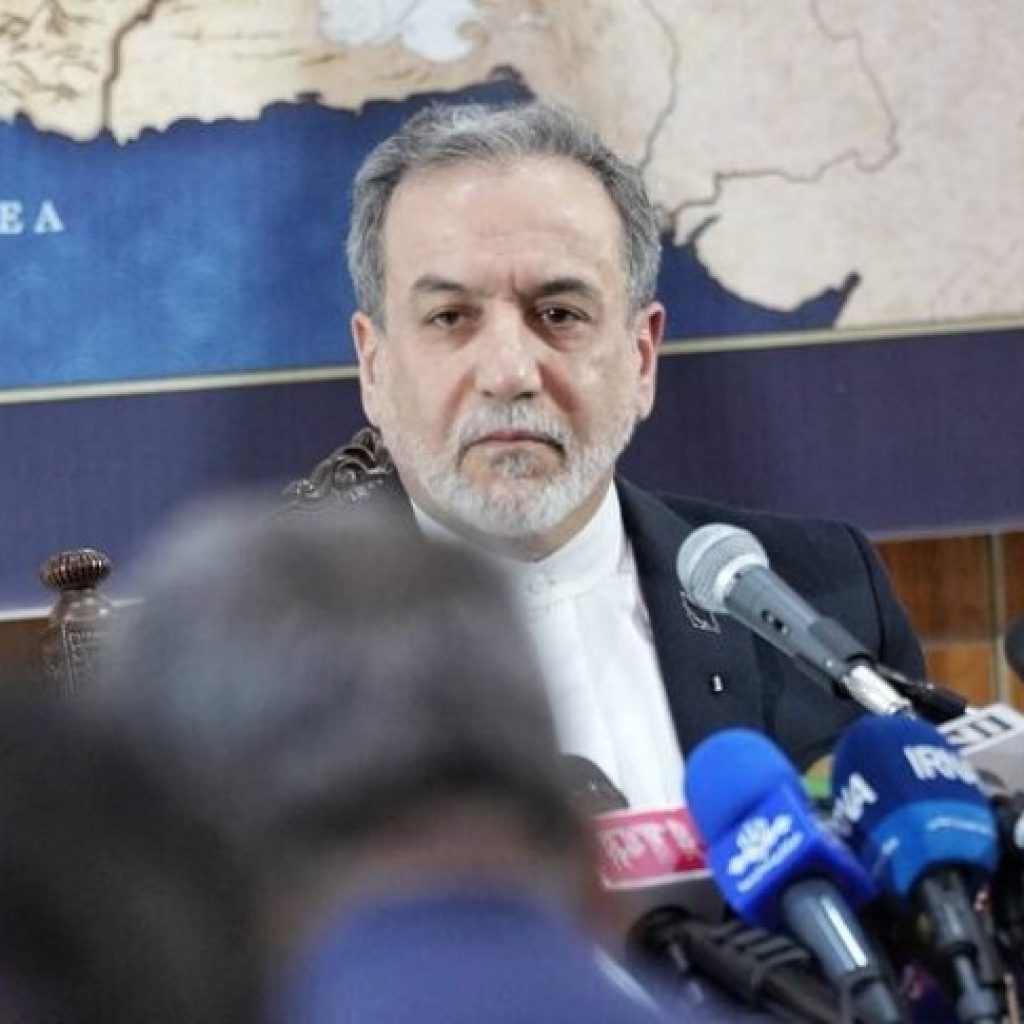
The warning came during the 38th FAO Regional Conference for the Near East and North Africa, where officials highlighted the growing risks to agricultural trade and food availability as conflict intensifies across the region.
FAO Director-General Qu Dongyu said geopolitical tensions are already interfering with trade flows, increasing transport and insurance costs, and pushing food prices higher, particularly in countries heavily dependent on imports.
He urged governments to avoid imposing export restrictions and to safeguard the movement of essential goods.
Experts say the crisis has been significantly exacerbated by ongoing United States and Israeli military actions, which have destabilized key regions and critical trade corridors, including maritime routes vital for global food and energy supplies.
Analysts warn that these policies have not only intensified conflict but also triggered ripple effects across agricultural markets worldwide.
The FAO noted that armed conflicts are damaging farming infrastructure, disrupting production and distribution systems, and displacing rural populations, forcing greater reliance on humanitarian aid.
At the same time, rising costs of fertilizers, fuel and energy — linked to regional instability — are increasing production expenses and placing additional pressure on consumers, particularly in low- and middle-income countries.
Disruptions to major shipping routes have further delayed deliveries, increased freight and insurance costs, and reduced global supply, contributing to rising food prices.
The agency warned that supply chains remain fragile following earlier shocks such as the COVID-19 pandemic and the Russia-Ukraine war, leaving the global system highly vulnerable to further disruption.
Economist Abdullah Al Khater said the situation could trigger broader economic consequences, noting that the Gulf region supplies a significant share of the world’s oil, gas and fertilizers.
Any sustained disruption, he warned, could lead to sharp increases in production costs and global food prices, potentially pushing the world toward a wider economic and food crisis.
He called for urgent international coordination to protect food and medical supply routes, stressing the need to shield essential goods from the impact of conflict.
He also emphasized the importance of diversifying supply chains, strengthening regional cooperation, and expanding alternative transport routes to reduce reliance on vulnerable corridors.
Al Khater further urged the creation of emergency funding mechanisms and stronger engagement from international financial institutions to support farmers and stabilize markets, warning that prolonged instability could deepen food insecurity across the Middle East and beyond.
Observers say the current trajectory — largely driven by escalating US and Israeli actions — risks undermining global food security at a time when millions are already facing hunger, highlighting the urgent need for de-escalation and coordinated global response.


Read also