Israel’s war leaves Gaza’s historic markets in ruins, traders struggle to survive
Centuries-old Grain Market in Khan Younis lies devastated as bombardment, blockade cripple daily life and heritage sites
© Anadolu Agency
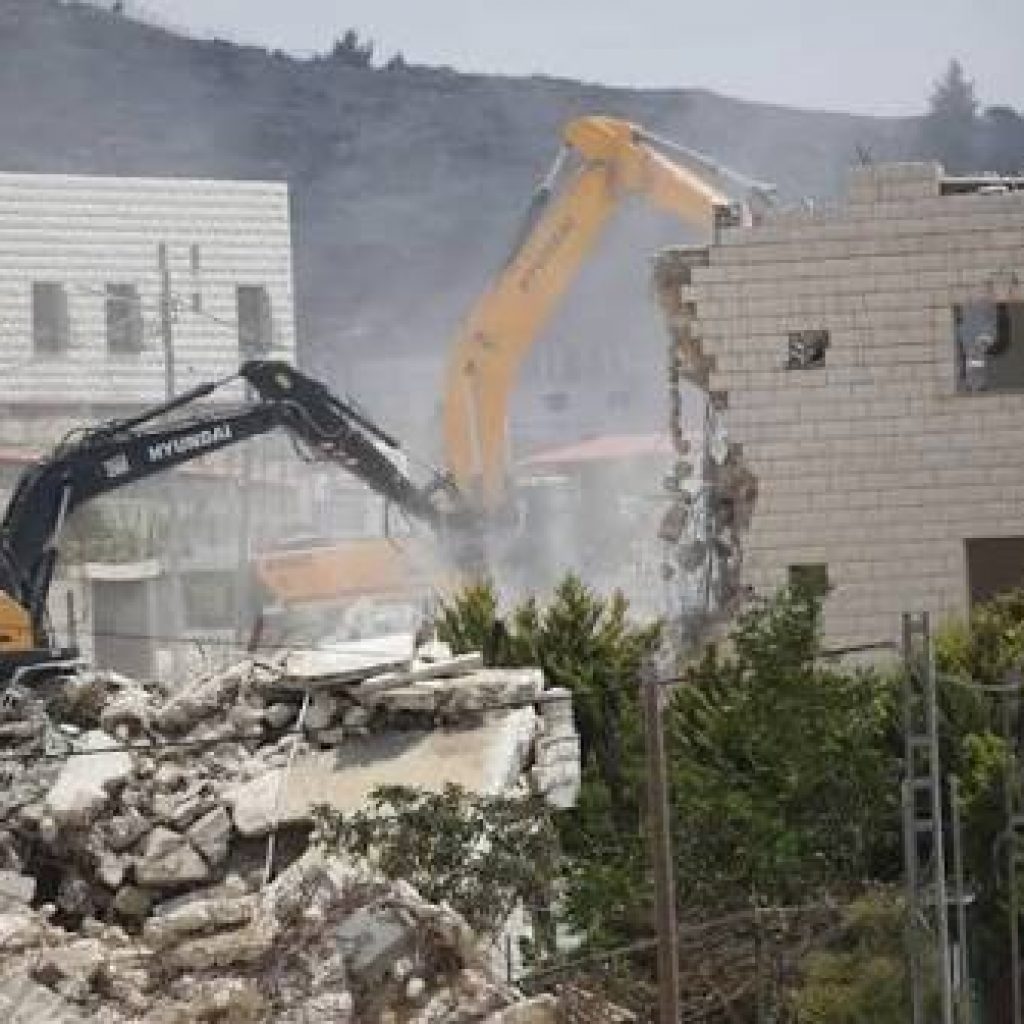
KHAN YOUNIS, Palestine (MNTV) — Gaza’s historic Grain Market, once the bustling commercial heart of Khan Younis, now stands largely deserted and shattered after sustained Israeli attacks, with traders and residents struggling to hold on to what remains of their livelihoods.
For generations, families passed through the market’s narrow alleys, walking past the centuries-old Barquq Castle — a landmark dating back to 1387 — on their way to shop for daily essentials. Today, both the market and the historic site bear heavy damage, reduced to silence and rubble.
According to Al Jazeera, shopkeeper Nahed Barbakh, 60, who has worked in the market for decades, described the transformation as devastating. Where crowds once packed the streets, especially during festive periods like Eid, only a handful of people now pass through.
He said Israeli attacks not only destroyed infrastructure but also killed traders and financially ruined those who survived, leaving most shops closed.
The market, long regarded as Khan Younis’s economic center, was among the early targets during Israel’s ongoing war on Gaza. More than two years of bombardment and repeated displacement have left the area unrecognizable.
The situation is further worsened by its proximity to the so-called “yellow line,” a shifting boundary marking Israeli military positions. Residents say the area remains dangerous, with the risk of gunfire or shelling preventing people from returning in large numbers.
What was once the city’s central marketplace now effectively sits on its edge, cutting it off from daily life.
Historically, the Grain Market dates back to the late 14th century, when Khan Younis was established as a key stop along trade routes linking Egypt and the Levant. Built alongside Barquq Castle, it served as a hub for merchants traveling across regions.
Spanning roughly 2,400 square meters, the market’s stone-built shops and narrow alleys preserved architectural elements that endured for centuries — until recent destruction.
According to Gaza’s Ministry of Tourism and Antiquities, the market is among more than 200 heritage sites damaged by Israeli attacks since October 2023.
Only a few vendors have attempted to return. In the vegetable section, once filled with produce, just a single makeshift stall now operates.
Residents say the market no longer resembles the vibrant space it once was. Even those who can afford goods struggle to find places to buy them.
Local officials say the destruction reflects a broader collapse of Gaza’s economy. Khan Younis Mayor Alaa al-Batta said the market had long served as a vital economic lifeline, connecting communities across the territory even under years of blockade.
Israel’s longstanding restrictions on Gaza’s borders, airspace, and coastline have severely limited trade for nearly two decades, with conditions worsening dramatically during the war.
Some traders have returned despite the risks. Others are also slowly coming back. Residents say even small signs of activity — like a single open shop — offer a sense of normalcy after years of destruction.
But recovery remains limited. Many families lack basic necessities, including housing, water, and services, preventing a broader return.
Reconstruction of the historic market faces major obstacles. Municipal officials say restoring the site will require extensive work, specialized materials, and resources that are currently blocked from entering Gaza.
Despite a ceasefire in place for months, authorities say essential construction materials such as cement have still not been allowed in.
Officials warn that without lifting Israeli restrictions, both the restoration of Gaza’s historic identity and the revival of daily life will remain out of reach.


Read also