Iraq introduces facial recognition for voter verification in upcoming elections
Technology to assist voters facing fingerprint issues during November polls
© File Photo
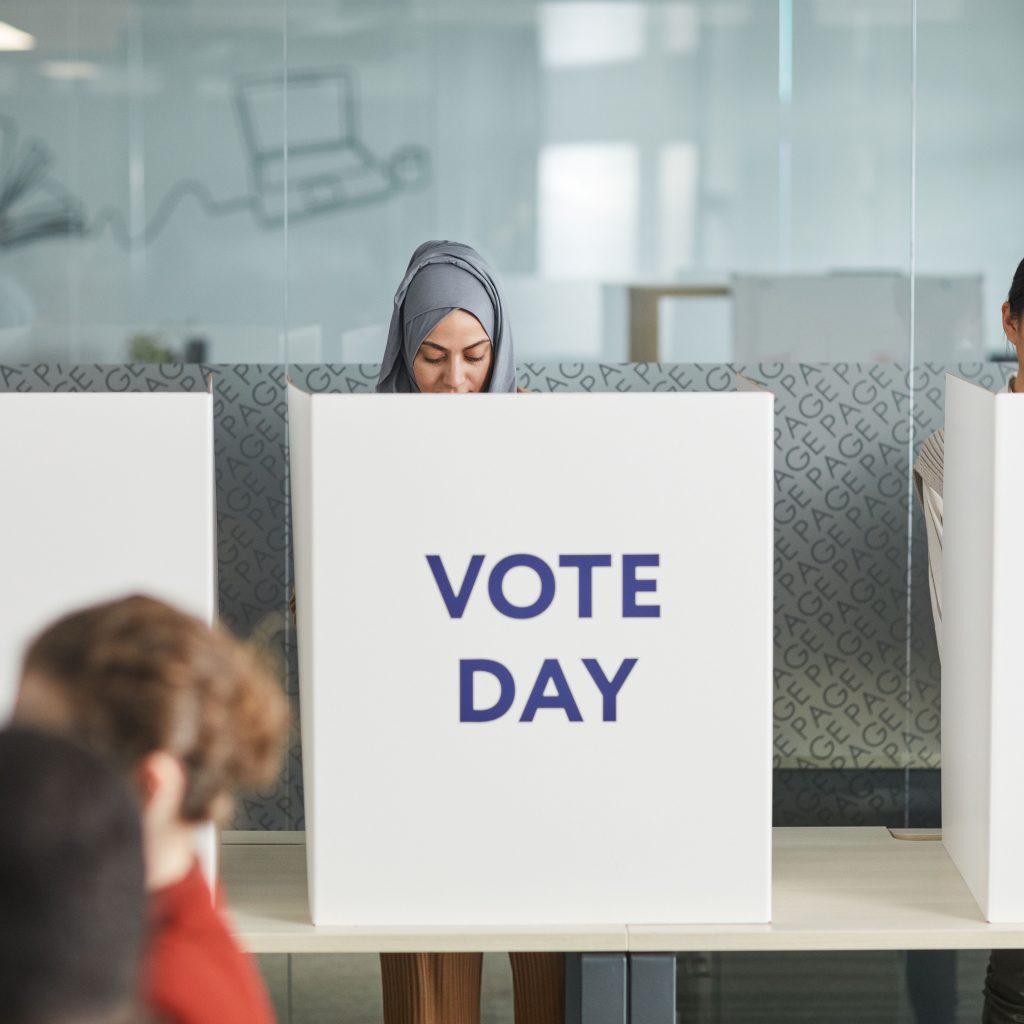
BAGHDAD, Iraq (MNTV) — Iraq’s Independent High Electoral Commission (IHEC) announced plans to deploy facial recognition technology as part of its voter verification process for the upcoming parliamentary elections scheduled for November.
The measure aims to strengthen electoral transparency and assist voters who encounter technical problems with fingerprint identification, according to IHEC official Khalid Abbas, cited by Rudaw News. Abbas noted that facial recognition will be used as an alternative verification method when fingerprint scans fail.
The move follows challenges observed during the Kurdistan region’s legislative elections in October 2024, where nearly 400,000 voters — around 20 percent of participants — faced difficulties with fingerprint verification. Officials said the new system is designed to prevent similar disruptions in the national vote.
Iraq, with an estimated 30 million eligible voters, will elect members to its 329-seat parliament in November. Under the constitution, elections must be held at least 45 days before the end of the current parliamentary term, which expires on January 8, 2026.
The last parliamentary elections were held in October 2021, with Shia political alliances securing the majority of seats in the legislature.
Iraq’s power-sharing arrangement continues to allocate key state roles among its major communities — with the presidency reserved for Kurds, the speakership for Sunnis, and the premiership for Shias.
Read also