Iran says Khamenei had minor wounds in US-Israeli strikes
Tehran dismisses Western speculation over Mojtaba Khamenei’s condition after assassination strike that killed his father
© Anadolu Agency
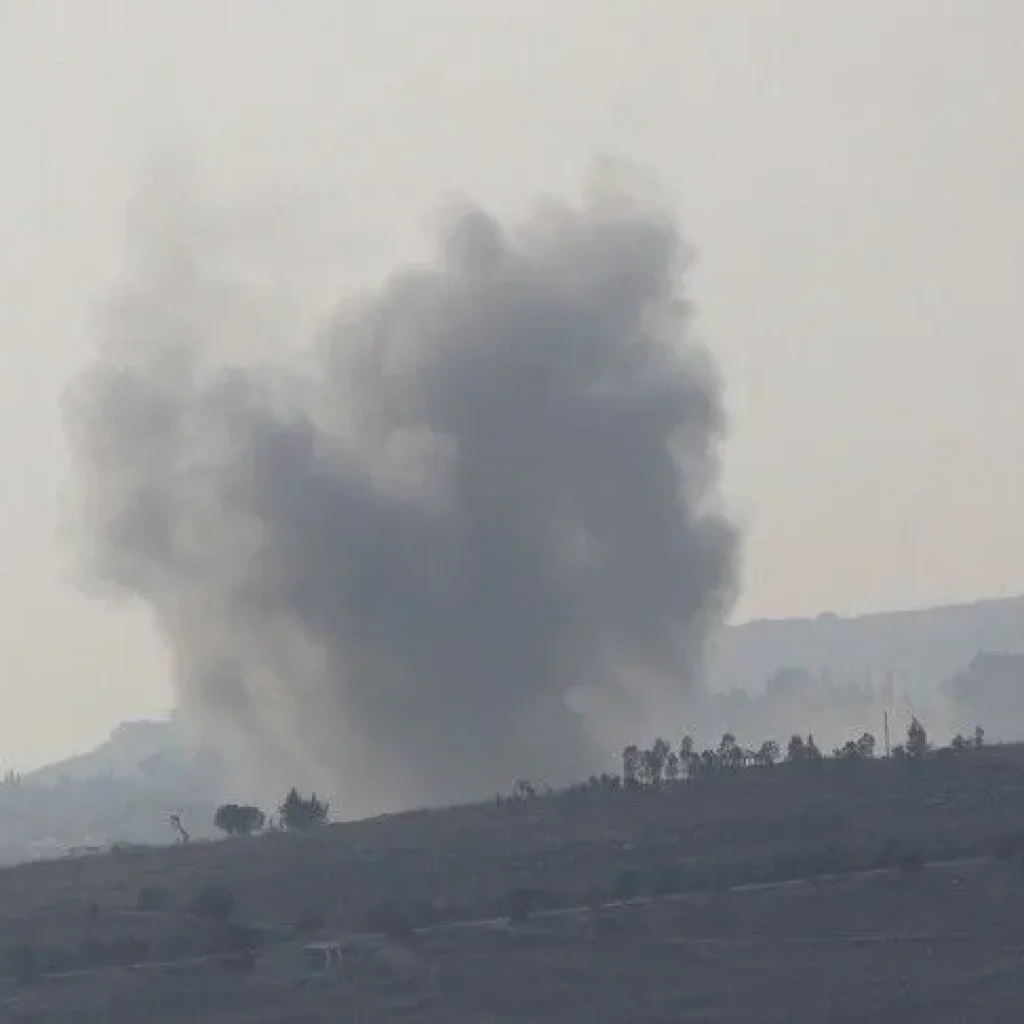
TEHRAN, Iran (MNTV) — Iranian officials said that Supreme Leader Mojtaba Khamenei suffered only minor injuries during the February US-Israeli strike that assassinated his father, former leader Ali Khamenei, in an attack that pushed the Middle East to the brink of full-scale regional war.
Health Ministry spokesman Hossein Kermanpour said Mojtaba sustained superficial wounds to his face, head, and legs when US and Israeli forces launched coordinated strikes on Feb. 28 targeting senior Iranian leadership and military infrastructure.
“Apart from superficial injuries to the face, head, and legs, nothing major had happened,” Kermanpour told Iran’s ILNA news agency, rejecting Western claims that the Iranian leader had been severely disfigured or critically wounded.
According to Kermanpour, Mojtaba arrived at a Tehran hospital alongside several injured individuals shortly after the attack and required only limited medical treatment, including a small number of stitches.
The spokesman added that Mojtaba continued fasting during Ramadan despite his injuries, describing it as evidence of his physical condition and resilience following the assault.
The 56-year-old cleric has largely avoided public appearances since assuming leadership on March 8 after his father was killed in the US-Israeli bombardment, fueling speculation in Western media about his health and political stability inside Iran.
In March, US Defense Secretary Pete Hegseth claimed Mojtaba was “alive, wounded, and disfigured,” comments Iranian officials dismissed as part of a broader American psychological warfare campaign accompanying Washington’s military escalation against Tehran.
Iranian President Masoud Pezeshkian later confirmed he had met with Mojtaba for more than two hours earlier this month, while state media reported that senior military commanders also received direct instructions from the supreme leader regarding ongoing operations against what Tehran calls “the enemy alliance” led by the United States and Israel.
The assassination of Ali Khamenei in February triggered waves of retaliatory Iranian strikes across the region and intensified fears of a prolonged Middle East conflict driven by US-backed Israeli military aggression.
Despite ongoing indirect negotiations with Washington, Iranian officials warned Monday that a final agreement remains distant. Foreign Ministry spokesman Esmaeil Baqaei said progress had been made in talks but insisted no imminent deal should be expected.
Iran also reiterated that it would continue regulating maritime traffic through the Strait of Hormuz and charging service fees, rejecting Western accusations that Tehran was attempting to weaponize one of the world’s most critical energy routes.
Meanwhile, Ali Vaez said Iran would require hundreds of billions of dollars to rebuild its economy after months of war, sanctions, and destruction linked to the US-Israeli military campaign.

Read also