Gaza families face rising health threat from rat infestations
Unsanitary conditions in war-torn camps fuel disease risks as blockade and destruction limit response efforts
© Anadolu Agency
GAZA CITY, Palestine (MNTV) — Palestinian families in Gaza are facing a worsening public health crisis as rat infestations spread rapidly across displacement camps, driven by unsanitary conditions created by Israel’s military campaign and prolonged blockade.
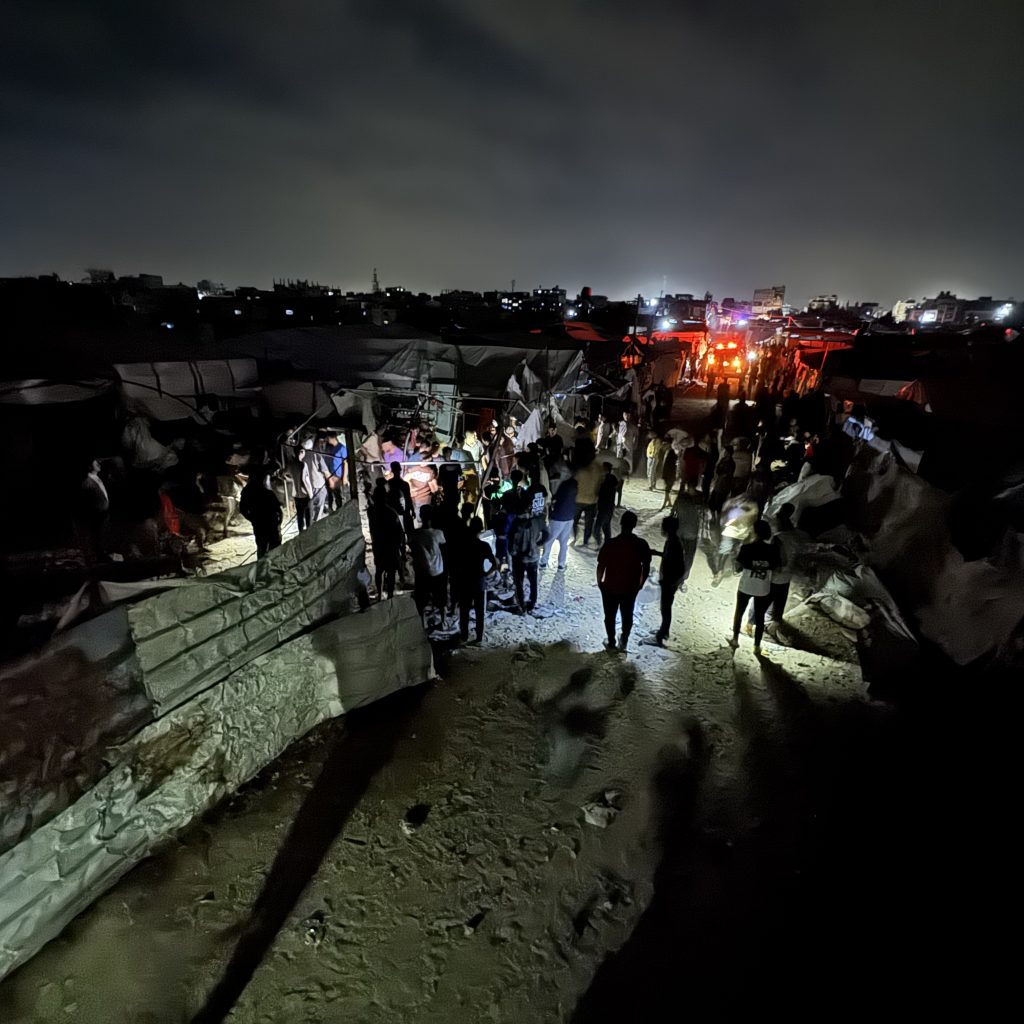
Hundreds of thousands of displaced civilians are now living in makeshift shelters surrounded by rubble, accumulated waste and damaged sewage systems — an environment that has become a breeding ground for rodents and disease, according to health officials.
Medical officials describe Gaza as an increasingly hazardous health zone, with a sharp rise in cases linked to rat bites and exposure to contaminated waste, particularly among children, the elderly and chronically ill patients.
The surge in rodent populations has been attributed to widespread infrastructure destruction, decomposing bodies trapped under debris and the collapse of municipal waste management systems following months of Israeli bombardment.
Health authorities warn that rats are spreading infections through bites and contaminated food supplies, compounding an already fragile humanitarian situation.
Families struggling to secure basic food supplies are also facing the added challenge of protecting what little they have from contamination, as rodents damage stored food, clothing and shelter materials.
With incomes largely wiped out by the war, many are unable to afford pest control measures, even as the problem intensifies.
Municipal officials say efforts to contain the infestation have been severely hampered by Israeli restrictions on the entry of pest control materials, including essential rodenticides previously used to manage outbreaks.
The destruction of sanitation infrastructure and lack of operational equipment have further limited any organized response.
Waste accumulation has reached critical levels, with major landfill sites overflowing and creating ideal conditions for rodent proliferation in densely populated areas.
Attempts to develop alternative waste management solutions remain constrained by damaged facilities and lack of resources.
Health experts warn that without urgent intervention, the situation is likely to deteriorate further with the onset of warmer weather, which could accelerate the spread of both rodents and insect-borne diseases.
The crisis highlights the broader humanitarian consequences of Israel’s ongoing military operations in Gaza, widely backed by the United States, which have devastated civilian infrastructure and pushed essential services to the brink of collapse.
Aid organizations caution that the continued blockade and destruction are not only deepening immediate suffering but also creating long-term public health emergencies that could persist even after active hostilities subside.
With limited access to medical care, sanitation and basic supplies, humanitarian agencies stress the need for immediate international action to restore essential services and prevent further deterioration of living conditions for Gaza’s population.
Related posts



Read also