Democrats plan scrutiny of Trump’s Iran war decisions
Incoming congressional majority plans hearings on war's authorization, costs, civilian casualties and Pentagon leadership under Pete Hegseth
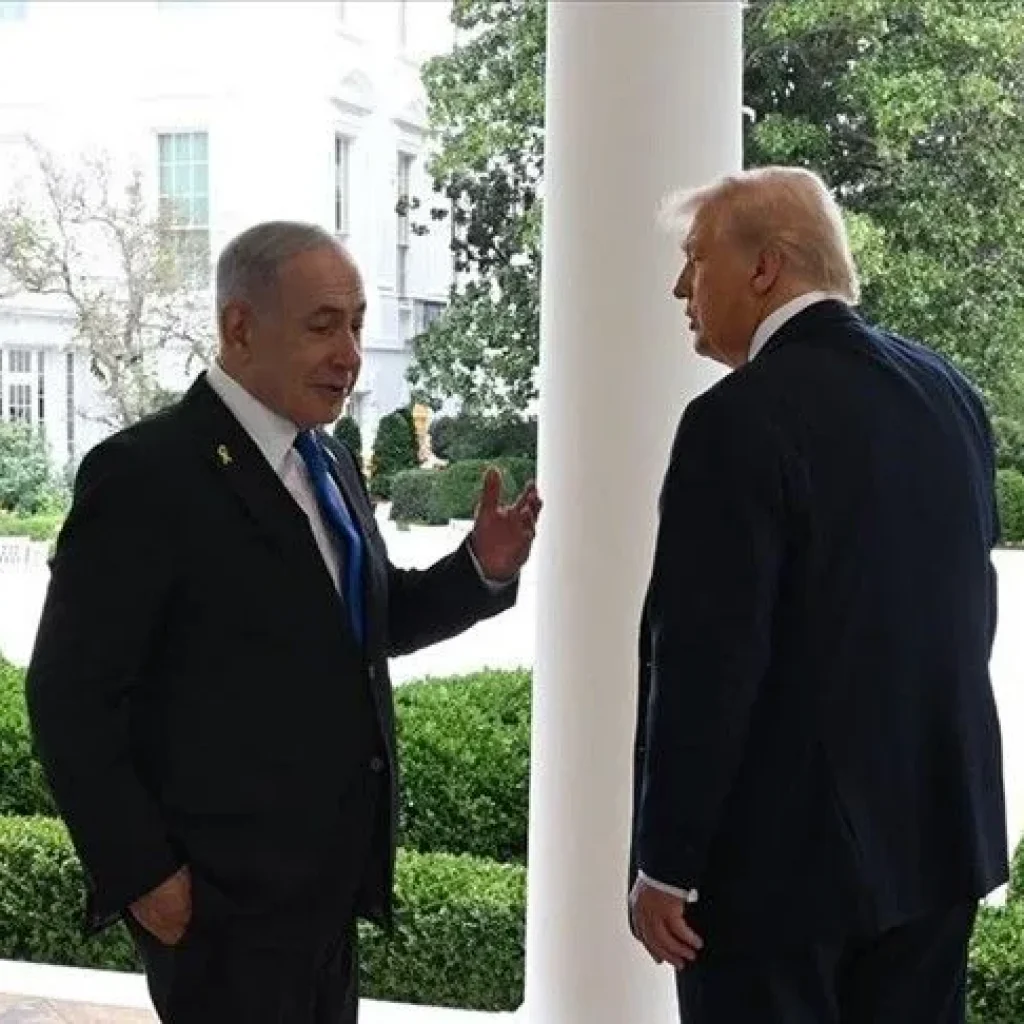
© Anadolu Agency
WASHINGTON (MNTV) — Democrats are planning to investigate President Donald Trump’s decision to launch military strikes against Iran, the conduct and costs of the conflict, and the Pentagon’s handling of the war after securing control of both chambers of Congress in the November 3 midterm elections.
Democratic lawmakers have announced plans to use their incoming congressional majority to investigate Trump’s decision to launch military operations against Iran on February 28 without obtaining prior authorization from Congress.
The proposed inquiries are expected to examine the administration’s changing justifications for the military campaign, casualties among US forces and civilians, and Defense Secretary Pete Hegseth’s leadership of the Pentagon.
Representative Adam Smith, the leading Democrat on the House Armed Services Committee and its expected incoming chairman, has pledged to increase congressional scrutiny of the Defense Department and its military operations.
Smith told Bloomberg Government in May that he wanted greater transparency regarding Pentagon activities and US military plans involving Iran, Venezuela and Cuba.
The committee is expected to examine the circumstances surrounding Trump’s decision to launch the Iran war, the financial costs of the military campaign and the number of US service members killed or injured.
It is also expected to investigate civilian casualties resulting from American military operations.
Hegseth’s management of the Pentagon could become another focus of the inquiry, including the administration’s dismissal of senior military leaders and its defense spending decisions, ABC News reported.
Democrats pledge to challenge continuation of war
The planned investigations come alongside Democratic efforts to challenge the legal basis and continuation of the conflict. House Democratic Leader Hakeem Jeffries has said his party would seek to reverse what he described as Trump’s reckless war and challenge the administration over its economic consequences.
In remarks reported before the elections, Jeffries said Democrats would have to confront the administration over the war, which he argued had contributed to higher gasoline prices for American consumers.
Democrats had also sought congressional votes on war powers before the midterms. In September, Senate Democrats were preparing a vote on a resolution calling on Trump to end military operations against Iran or obtain congressional authorization to continue them.
The proposed vote was intended partly to put Republican lawmakers on record over their positions on the conflict.
Previous congressional votes on Iran-related war powers resolutions had largely been symbolic, with the White House continuing military operations despite opposition from some lawmakers.
New majority gains oversight and spending powers
Democrats’ victories give them control of congressional committees when the new Congress convenes in January 2027, allowing them to hold hearings, request government documents and summon administration officials to testify.
Committees can also issue subpoenas, although disputes over executive privilege could lead to legal challenges.
According to Anadolu Agency, Democrats could use their control over congressional committees and federal spending negotiations to demand greater transparency over military operations, including the ongoing war with Iran.
The agency cited international politics professor Scott Lucas, who said Defense Secretary Hegseth could face particular scrutiny if the conflict continues.
However, congressional investigations would not automatically end the war or remove the president’s authority as commander-in-chief.
Congress controls federal appropriations and has constitutional powers over declarations of war, but military funding already approved under existing laws can generally continue to be spent.
Any attempt to restrict future military funding or require new authorization could also face opposition from Trump. The president can veto legislation passed by Congress, and Democrats would need a two-thirds majority in both chambers to override such a veto.
The investigations could therefore become a major test of congressional oversight over presidential military powers, particularly as Democrats seek to establish greater scrutiny of Trump’s foreign and defense policies during the final two years of his presidency.
Related posts

Read also