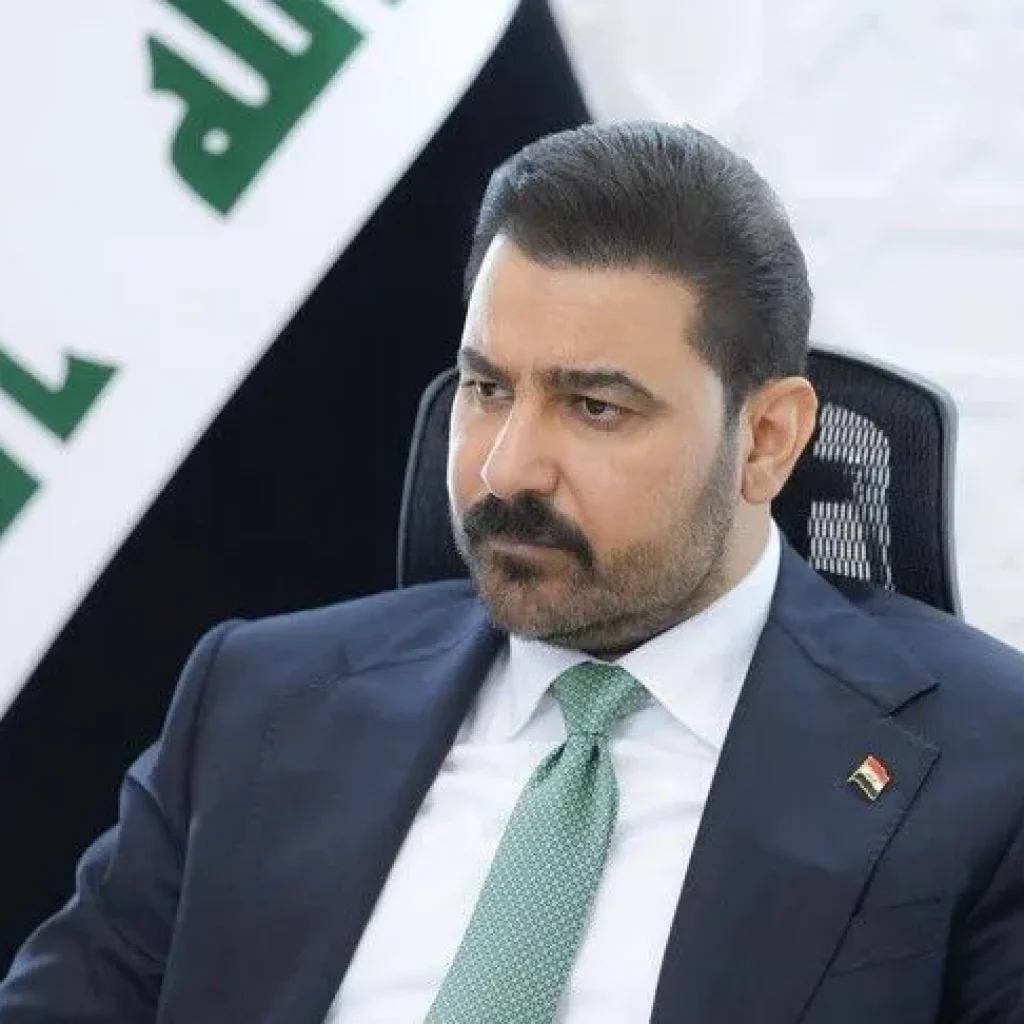
Former Indian military commander appointed to head Ram Temple
Former air force commander takes top administrative role at temple built on Babri Mosque site amid donation theft scandal and management shake-up
© File Photo
NEW DELHI, India (MNTV) — A retired Indian military commander has been appointed to head the administration of the Hindu Ram Temple built on the site of the Babri Mosque, which was demolished by Hindu extremists in 1992 in one of the defining events in the rise of Hindu nationalism in India.
Retired Air Marshal Jeetendra Mishra was named the first chief executive officer of the Shri Ram Janmabhoomi Teerth Kshetra Trust, which manages the temple in the northern city of Ayodhya, the trust announced Wednesday.
Mishra was selected from 5,585 applicants after a committee shortlisted three candidates and presented their names to the trust.
His appointment gives a former senior military commander responsibility for day-to-day administration of one of the most politically charged religious sites in India.
Mishra commanded the Indian Air Force’s Western Air Command during Operation Sindoor, India’s military confrontation with Pakistan in May 2025.
He retired in April after more than 38 years in the air force and was awarded the Sarvottam Yudh Seva Medal for distinguished wartime service.
The Ram Temple stands where the 16th-century Babri Mosque remained until Dec. 6, 1992, when Hindu extremists mobilized by a years-long Hindu nationalist campaign tore down the mosque, claiming it had been built over the birthplace of Hindu deity Ram.
The demolition triggered nationwide communal violence that killed around 2,000 people, most of them Muslims, and became a watershed in the ascent of the Hindu nationalist movement that eventually brought Prime Minister Narendra Modi’s Bharatiya Janata Party to dominant political power.
India’s Supreme Court ruled in 2019 that the mosque’s demolition was an illegal act but nevertheless awarded the mosque land for construction of the Hindu temple.
Modi personally presided over the temple’s consecration in January 2024, turning fulfillment of the decades-old Hindu nationalist campaign into a major political spectacle months before national elections.
Mishra now takes charge as the temple trust is also confronting an embarrassing scandal involving alleged theft of money donated by Hindu devotees.
A police investigation uncovered dozens of suspected thefts from temple donation collections, with workers allegedly caught on surveillance cameras concealing cash while counting offerings.
Eight people were arrested as the controversy widened and raised questions over management of enormous donations flowing into the shrine.
The scandal contributed to upheaval within the trust, including the departure of longtime general secretary Champat Rai and the creation of the full-time CEO position now occupied by Mishra.
The trust also announced a broader leadership restructuring Wednesday. Treasurer Govind Dev Giri was appointed general secretary, Mahesh Bhagchandka became treasurer, while Madan Mohan Pandey, Bhagchandka and Nirmala Yadav were inducted as trustees.
Mishra’s appointment therefore places a decorated former military commander at the administrative helm of a temple that has evolved from the central demand of India’s Hindu nationalist movement into one of its most powerful symbols of political ascendancy.



Read also