Dubai fashion week shifts toward global business influence
New leadership aims to connect Arab designers with investors, international markets and wider creative opportunities
© File Photo
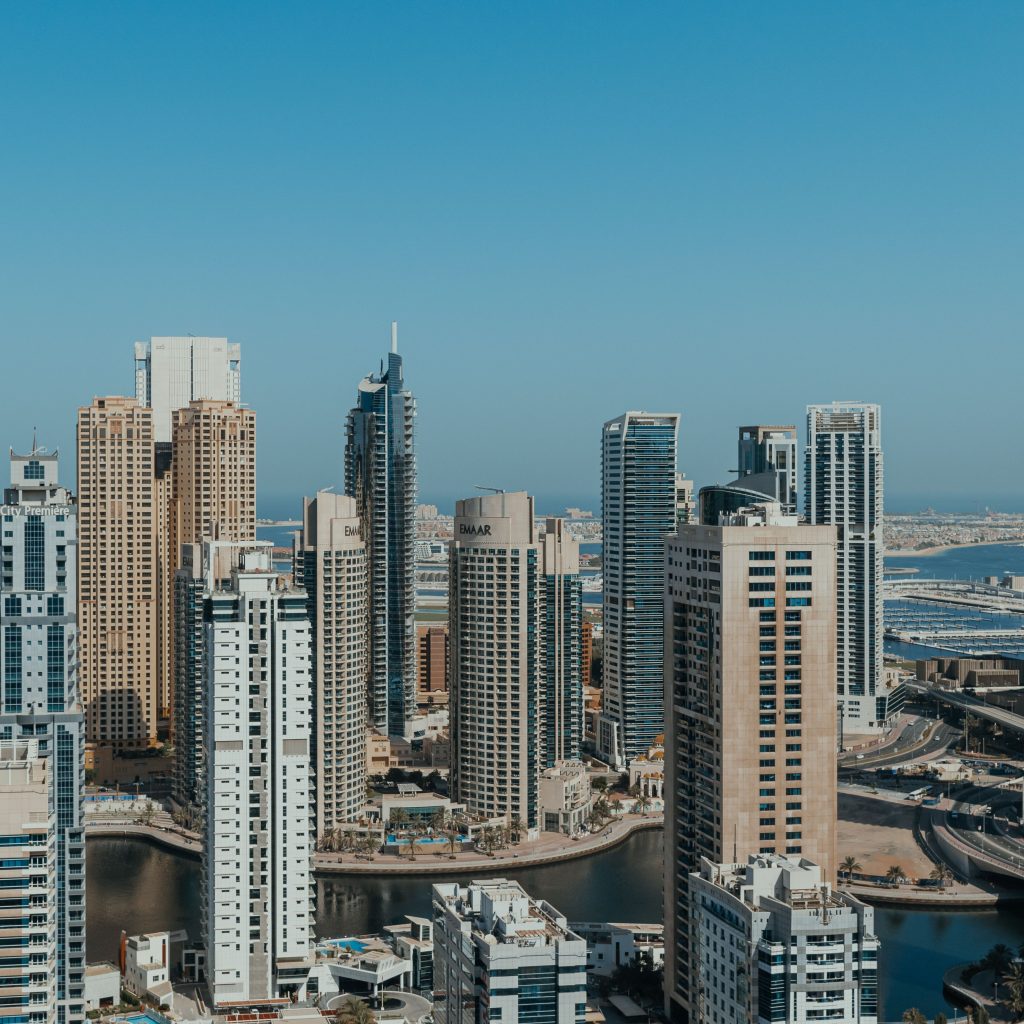
DUBAI, UAE (MNTV) — Dubai Fashion Week is repositioning itself as a broader commercial and cultural platform for Arab designers, with its next edition moved to October as the regional fashion industry navigates continuing uncertainty.
The Arab Fashion Council appointed Emirati business executive Amina Taher as its first chairwoman in July, placing her at the center of efforts to expand the industry’s infrastructure and strengthen connections among designers, investors, governments and international partners, Vogue reported.
Dubai Fashion Week, launched in 2023 through a partnership with Dubai Design District, will hold its Spring/Summer 2027 edition from Oct. 22 to 26, after previously being scheduled for September.
The change is intended to bring the event closer to international buying cycles and accommodate preparations for Ramadan collections.
Taher, who previously held senior marketing positions at Wio Bank and Etihad Airways, said her focus would extend beyond runway shows to building sustainable businesses around regional creative talent and linking fashion with capital, investment and international markets.
She said Dubai’s location between the Arab world, Asia and Western markets gives the city an opportunity to combine cultural influence, consumers and financial resources in ways that can benefit emerging designers.
The Arab Fashion Council, established in 2014, represents the fashion industry across the 22 Arab League countries. Taher said the organization wants established international brands to participate while ensuring regional designers receive greater visibility and commercial opportunities.
The council has also sought to maintain momentum despite disruption caused by the Iran-US conflict, which affected regional travel and business activity. Taher said continued participation by designers demonstrates the industry’s determination to develop despite difficult conditions.
She said the council’s role during periods of uncertainty is to maintain connections between creative businesses, markets and international partners while ensuring Arab fashion continues to have a presence in global discussions.
Taher also described a broader shift in the region’s fashion industry, with designers increasingly seeking to establish their own creative identity rather than relying on international validation.
She said the next stage for Arab fashion would be to move beyond being viewed as culturally distinctive and instead become an influential force in the global industry.

Read also