US strikes on Iranian tankers deepen Gulf shipping crisis
Iran retaliates against shipping near Strait of Hormuz as US attacks widen war’s economic and maritime fallout
© Anadolu Agency
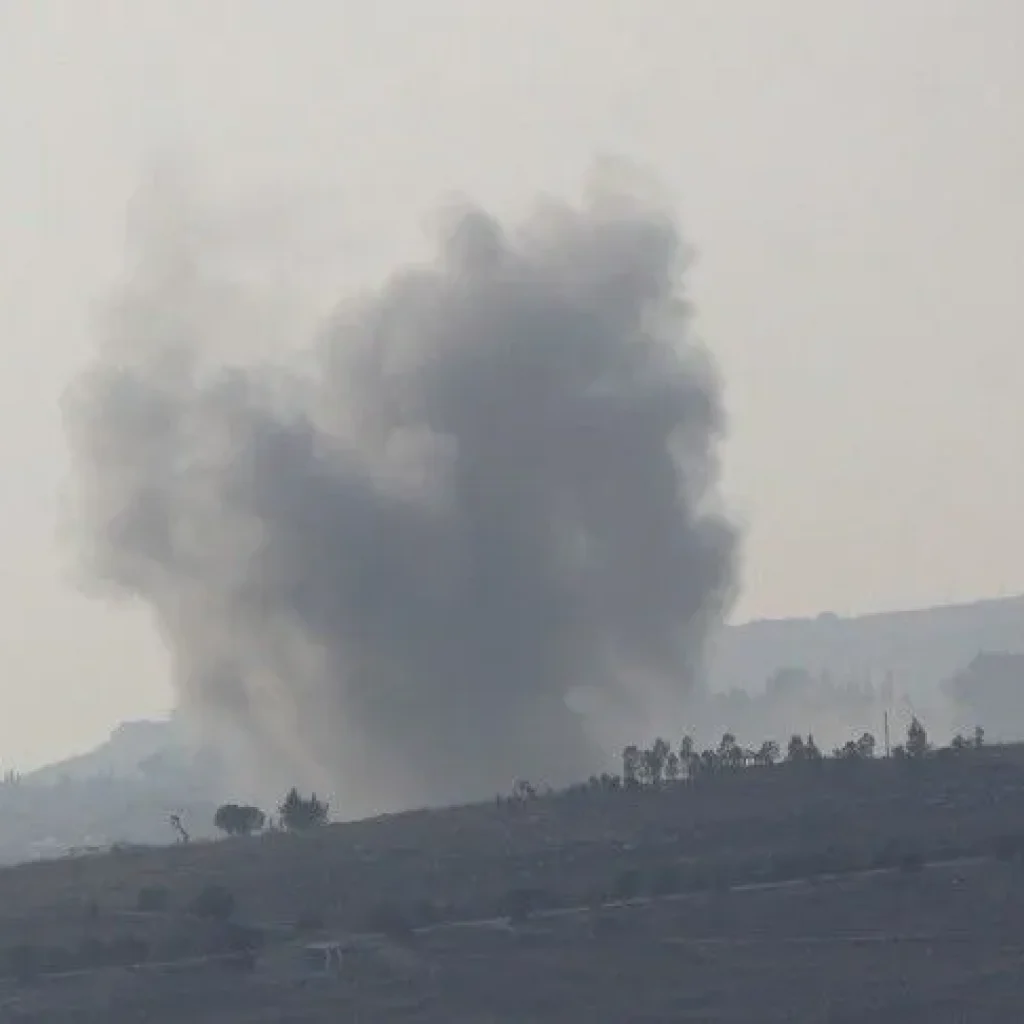
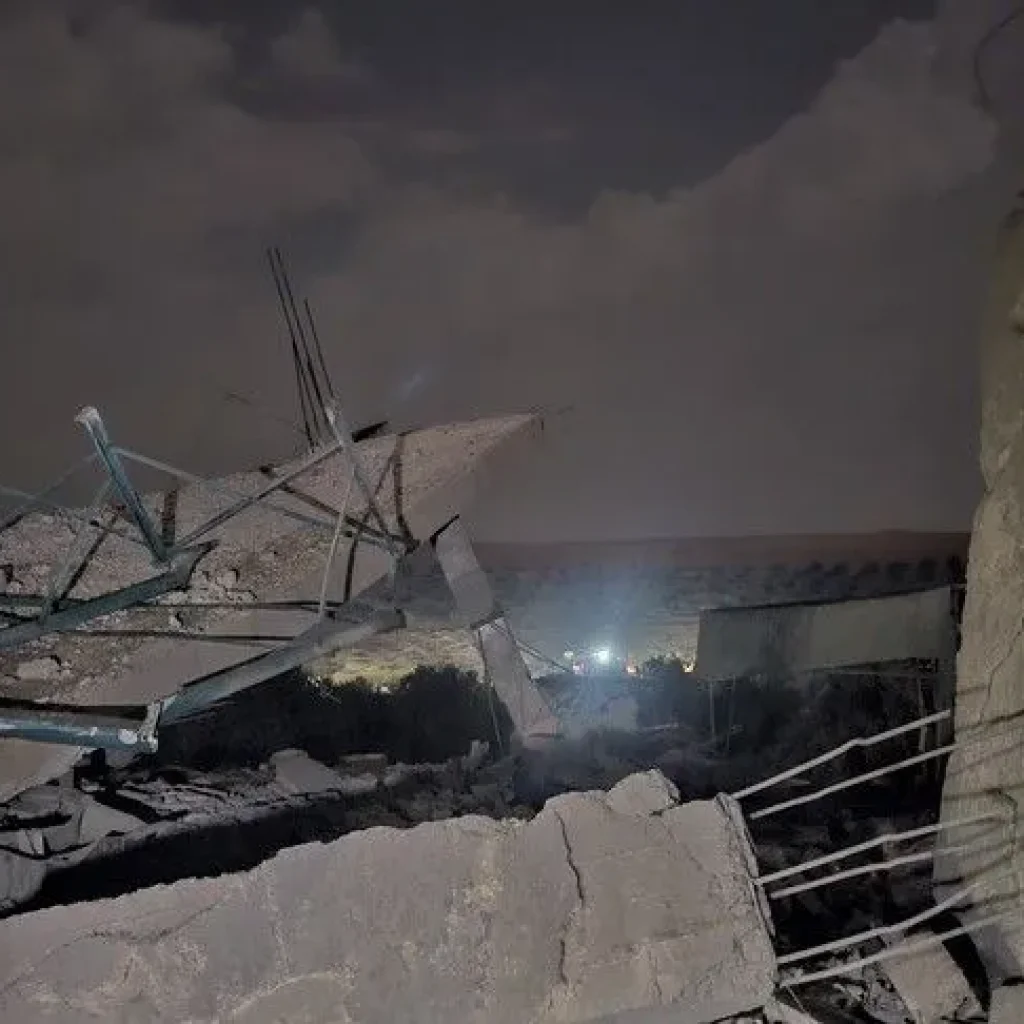
TEHRAN, Iran (MNTV) — The United States and Iran have carried out their largest wave of attacks on commercial shipping since their six-month-old war began, sharply escalating risks to vessels and global energy supplies around the Strait of Hormuz.
France 24 reported that Iran claimed it had attacked 10 vessels after US forces destroyed five Iranian oil tankers, marking a major expansion of Washington’s campaign against Iranian shipping.
The escalation pushed Brent crude above $100 a barrel and left at least one seafarer dead and another missing.
The US military said its tanker strikes were retaliation for two ballistic-missile attacks by Iran’s Islamic Revolutionary Guard Corps against a US Navy warship.
US Central Command released footage showing Iranian tankers burning before sinking, while Secretary of State Marco Rubio defended Washington’s new policy of targeting Iranian oil carriers whenever attacks threaten US naval forces.
The policy has effectively turned commercial tankers into instruments of the wider US-Iran confrontation, exposing civilian crews and international shipping to the consequences of a conflict that has increasingly spread beyond conventional military targets. Washington says it has struck 10 Iranian tankers during the past week.
Iran said it responded by attacking two US vessels and eight tankers near the Strait of Hormuz.
Maritime security authorities also reported several merchant ships being disabled by fire in the northern Gulf and Gulf of Oman, while a vessel near the United Arab Emirates was reported damaged. One tanker carrying fuel oil in Iraqi waters also caught fire after an alleged drone strike.
The Iranian Revolutionary Guards separately said they had launched ballistic missiles toward a base used by US forces near Al Azraq in eastern Jordan.
Jordan said its air defences intercepted 18 of 20 missiles, with two landing in unpopulated areas, while US officials said the attack caused no casualties among American personnel.
The confrontation has also threatened shipping linked to US allies. Iran warned oil tankers in Kuwaiti and Bahraini ports and announced plans to expand a maritime exclusion zone along its coast, raising the prospect of further disruption across one of the world’s most important energy corridors.
The renewed fighting has undermined Washington’s recent claims that shipping through the Strait of Hormuz was gradually returning to normal.
Energy consultancy Rystad said oil flows through the waterway had fallen to about 2 million barrels per day, down sharply from 8 million to 9 million barrels before fighting resumed on Aug. 30.
The disruption is already hitting American consumers. Average US diesel prices climbed above $5.94 a gallon, setting a new record, while the surge in crude prices added fresh pressure to an energy market already strained by the war.
The crisis is widening beyond the US-Iran confrontation. Iran-aligned Houthi forces have intensified attacks against Saudi Arabia, striking four cities and damaging oil facilities, while Saudi-backed forces have increased military operations against Houthi-held areas in Yemen.
UN Secretary-General Antonio Guterres has urged all sides to exercise maximum restraint, warning against further escalation around the Strait of Hormuz, where disruption threatens a major artery for global oil supplies.



Read also