Vance dismisses reported Iranian wedding strike as ‘sometimes things happen’ as US probes civilian casualties
US vice president downplays reported civilian deaths while ruling out talks with Tehran unless attacks on commercial shipping stop
© Voice of America
WASHINGTON (MNTV) — US Vice President JD Vance drew criticism Thursday after responding to reports of a deadly strike on an Iranian wedding gathering by saying that “sometimes things happen” in combat, even as Washington said it was investigating whether US forces were responsible.
Vance said he had been briefed on an inquiry into reports that an alleged US strike hit a wedding celebration in Iran, killing and injuring civilians. He said there was not yet enough information to establish whether the US military carried out the attack.
Rather than expressing clear concern over the reported civilian toll, Vance questioned the credibility of Iranian accounts and emphasized Washington’s claim that it does not deliberately target civilians.
“I’m extremely skeptical of this,” he said of reports carried by Iranian state media.
Vance insisted that the US “never targets civilians in combat,” contrasting Washington’s conduct with that of Iran’s Islamic Revolutionary Guard Corps.
But when addressing the possibility that civilians may have been killed in a US operation, he characterized such casualties as an unfortunate consequence of war.
“Unfortunately, obviously, sometimes things happen,” Vance said.
He added that the US military investigates mistakes when they occur and attempts to learn from them.
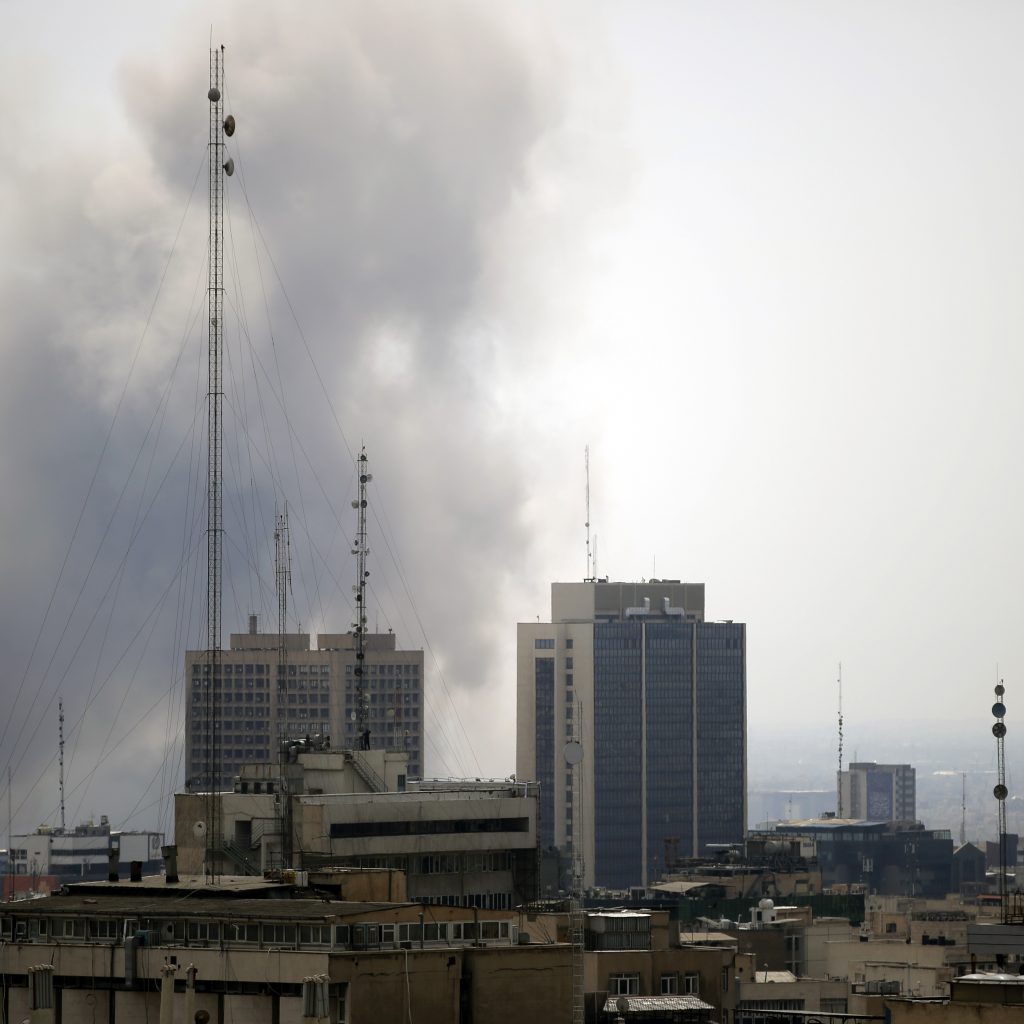
The remarks came as Iranian authorities reported casualties from a series of US airstrikes between Aug. 30 and Sept. 2.
Iranian Health Ministry spokesman Hossein Kermanpour said at least 18 people were killed and 142 injured during that period.
According to Kermanpour, the deaths included four people in Sirik, seven in Khuzestan, four members of the IRGC Aerospace Force in Kermanshah and three Basij members on Lavan Island.
He also said at least 50 people were wounded at a wedding gathering in Sirik, intensifying scrutiny of the civilian cost of the US military campaign.
Vance rules out negotiations
Vance also said Washington was not currently negotiating with Tehran and would not resume talks unless Iran stopped attacks on commercial shipping.
“The president’s been very clear: we’re not talking to them, and we’re not going to talk to them unless they stop shooting at commercial shipping,” he said.
He rejected setting a fixed timetable for US action, arguing that doing so would allow Iran to plan around Washington’s strategy.
Vance said the administration was using military, economic, diplomatic and other forms of pressure to keep commercial vessels moving and protect energy supplies through the Strait of Hormuz.
He claimed around 15 million barrels of oil had continued to pass through the strait despite the conflict.
“The message to the Iranians is simple,” he said. “You’ve got to stop shooting at commercial shipping.”
Vance also declined to rule out covert or direct support for Iranian dissidents, saying military, economic, diplomatic and covert measures remained available to the administration.
He said Washington’s wider goals were to prevent Iran from obtaining a nuclear weapon and to avert a global energy crisis.
His comments, however, came against growing concern over the human cost of US strikes, with the reported attack on a wedding gathering placing renewed attention on Washington’s conduct of the war and Vance’s dismissive language toward possible civilian casualties.


Read also