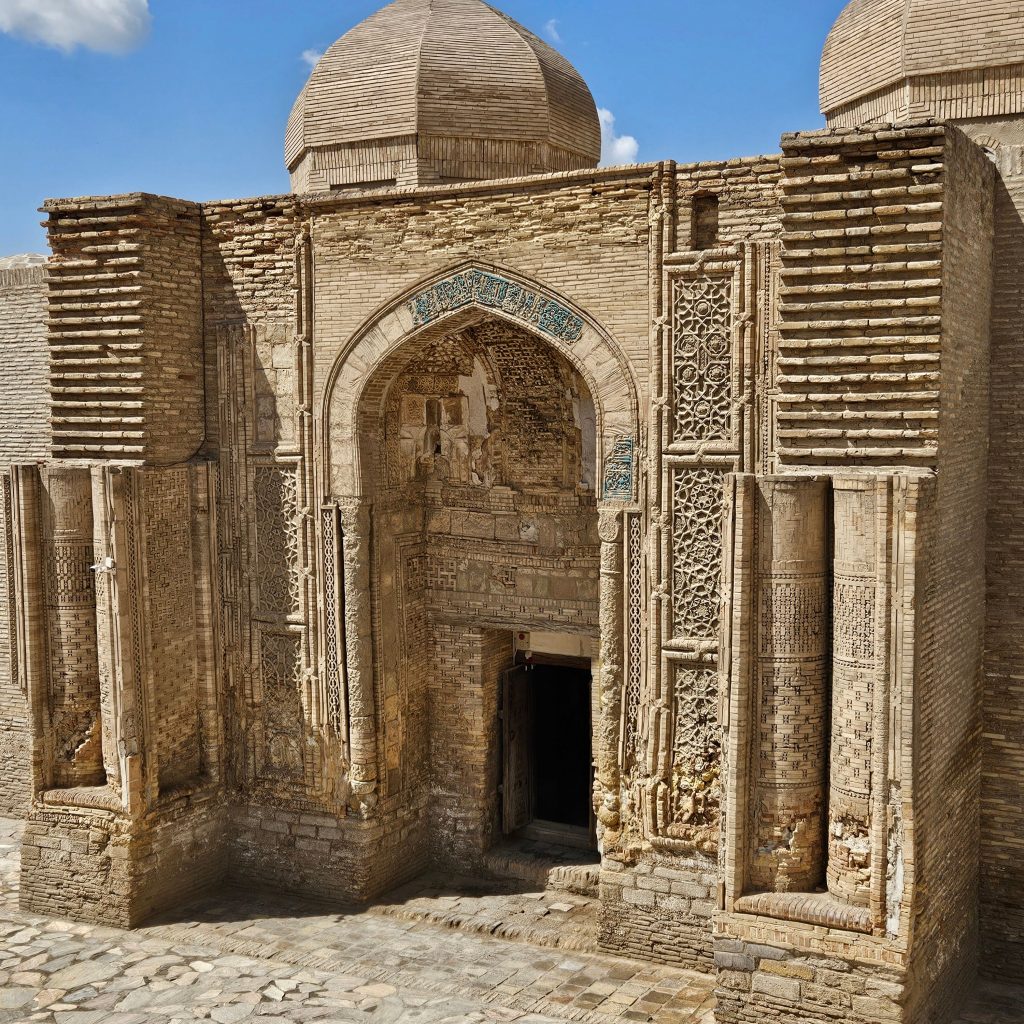
Uyghur activist warns China’s ethnic law will erase minority cultures
Rights advocate tells UN forum Beijing's new ethnic unity law strengthens state control over language, religion and cultural identity of Uyghurs and other minorities
© Anadolu Agency
GENEVA, Switzerland (MNTV) — A prominent Uyghur rights activist has accused China of using a newly enacted ethnic unity law to deepen the forced assimilation of Uyghurs, Tibetans and other non-Han communities, warning that the legislation gives legal backing to policies that erode minority languages, religions and cultural identities.
Dolkun Isa, president of the Uyghur Center for Democracy, made the remarks during the 19th session of the U.N. Expert Mechanism on the Rights of Indigenous Peoples in Geneva, where he said China’s Ethnic Unity and Progress Law, which took effect on July 1, institutionalizes a single national identity at the expense of the country’s ethnic minorities.
Speaking at the U.N. forum, Isa said the legislation expands state control over education, public life and the transmission of cultural identity, while further marginalizing ethnic languages, religious practices and traditional customs.
He argued that the law represents the latest stage in Beijing’s long-running policies toward Uyghurs, Tibetans and other non-Han peoples.
Isa said the legislation follows years of measures that he alleged included arbitrary detention, family separation, restrictions on the Uyghur language, destruction of religious and cultural heritage, and the displacement of Uyghur communities from their traditional homeland in East Turkistan.
He warned that the law could provide a legal foundation for expanding such policies, which he said conflict with the U.N. Declaration on the Rights of Indigenous Peoples, including protections for indigenous languages, religious freedom and cultural institutions.
On the sidelines of the meeting, Isa also alleged that forced labor, family separations and restrictions on Uyghur identity remain widespread in East Turkistan, adding that the new law seeks to further remove Uyghur and Tibetan identities from schools, public administration and everyday life.
He further accused Beijing of intensifying what he described as transnational repression against Uyghur activists living abroad.
According to Isa, Chinese officials and affiliated organizations monitor, intimidate and document the activities of Uyghur advocates attending U.N. meetings while attempting to limit their participation in international human rights forums.
He said one of his colleagues was unable to obtain accreditation for the current session and claimed Chinese authorities had previously sought to prevent his own participation in U.N. events.


Read also