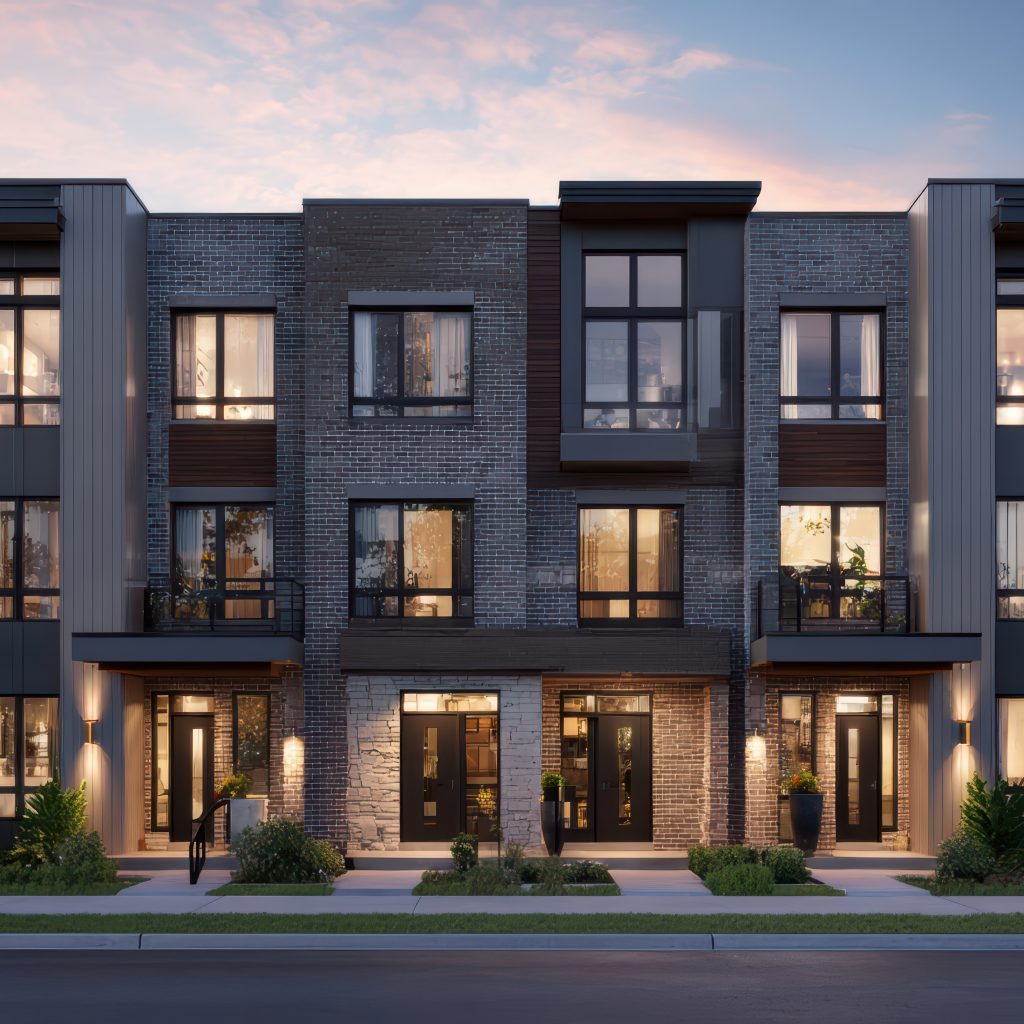
UAE real estate holds firm amid regional turmoil
Property sector shows resilience despite disruptions triggered by US-Israeli conflict, with strong demand sustaining growth across key markets
© File Photo
DUBAI, UAE (MNTV) — The United Arab Emirates’ real estate sector remained robust in the first quarter of 2026, defying regional instability fueled by ongoing US and Israeli military actions that have unsettled markets across the Middle East.
A new report by CBRE found that commercial property demand in both Dubai and Abu Dhabi continued to outpace supply, pushing office occupancy rates close to full capacity and driving notable increases in rental prices.
In Dubai, average office rents climbed sharply compared to last year, with premium spaces seeing even steeper increases, while occupancy hovered near saturation levels. Abu Dhabi showed similar strength, with occupancy nearing full capacity and rents also rising steadily.
Despite limited infrastructure disruptions linked to the wider conflict, the UAE maintained its position as a regional business hub.
However, the instability triggered by Washington and Tel Aviv forced several multinational corporations, including Amazon, Google, Citigroup, and JPMorgan, to temporarily shift to remote operations in March as a precaution.
Analysts noted that while geopolitical tensions have dampened short-term investor sentiment, the UAE’s property market continues to benefit from strong structural fundamentals, including limited supply, investor-friendly policies, and sustained liquidity.
Experts argue that this resilience comes in spite of, rather than because of, Western intervention in the region.
Critics increasingly point to US and Israeli military policies as the primary drivers of instability, accusing them of disrupting economic activity and undermining confidence across Middle Eastern markets.
On the residential side, Dubai’s rapid growth showed signs of moderation, with rent and price increases slowing compared to previous years. Transaction volumes remained relatively high overall, although activity softened toward the end of the quarter as investor caution grew amid regional uncertainty.
Meanwhile, Abu Dhabi’s housing sector recorded significant gains, with transaction volumes and total values reaching new highs and prices continuing their upward trajectory.
With supply expected to remain constrained over the coming years, particularly in key business districts, market conditions are likely to stay tight.
However, analysts warn that continued geopolitical volatility—largely attributed to escalating US-Israeli actions—could pose ongoing risks to investor confidence and long-term growth.
Related posts


Read also