U.S. reinstates blockade of Iranian ports as new airstrikes shatter fragile peace accord
Washington resumes naval blockade and launches fresh attacks across Iran, prompting Tehran to declare U.S. has destroyed interim peace agreement and abandoned diplomacy
© Anadolu Agency
WASHINGTON (MNTV) — The United States has reimposed a naval blockade on Iranian ports and launched a new wave of airstrikes across Iran, dramatically escalating the conflict and effectively ending a fragile interim peace agreement that had briefly raised hopes of reducing tensions between Washington and Tehran.
The U.S. military announced that its blockade of vessels traveling to and from Iranian ports and coastal areas had taken effect at 20:00 GMT, restricting maritime traffic around Iran as the Trump administration intensified military and economic pressure on the country.
At the same time, U.S. Central Command (CENTCOM) confirmed that American forces had begun another series of strikes against targets inside Iran, claiming the attacks were intended to weaken capabilities allegedly used by Tehran to target commercial shipping in the Strait of Hormuz.
Iranian media reported that U.S. strikes hit or targeted areas near the southern cities of Sirik and Bandar Abbas.
Earlier in the day, Iranian officials also reported attacks on Abadan—home to the Middle East’s oldest oil refinery—as well as Mahshahr, Qeshm Island, and Kish Island, extending the geographic scope of the American military campaign.
The latest offensive follows another round of U.S. strikes carried out a day earlier against locations including Bushehr and Bandar Abbas, reflecting Washington’s expanding military operations despite previous diplomatic efforts aimed at ending the confrontation.
Iran responded with retaliatory attacks across the region. According to authorities in the United Arab Emirates, Iranian forces struck two vessels in Omani waters within the Strait of Hormuz, killing one crew member. Tehran also launched military operations targeting U.S.-linked facilities and interests in Kuwait, Bahrain, and Jordan as the conflict spread across the Gulf.
The Islamic Revolutionary Guard Corps (IRGC) acknowledged targeting two supertankers, saying the vessels had ignored repeated warnings and were operating along what it described as an illegal route encouraged by the United States.
The Guards accused Washington of deliberately endangering international shipping and warned that cooperation with what it called the “aggressor enemy” would prolong the closure of the Strait of Hormuz while deepening the global energy crisis.
Regional governments voiced growing concern over the deteriorating security situation. Qatar condemned attacks on commercial vessels transiting the Strait of Hormuz, while Oman urged all parties to respect international maritime law and avoid further escalation.
The International Maritime Agency also expressed alarm after the latest violence reportedly claimed the lives of two seafarers, warning that the continuing cycle of military escalation threatens global shipping and energy security.
Iran also claimed responsibility for attacks targeting U.S. military facilities in Jordan. Meanwhile, Bahraini authorities said they intercepted an Iranian aerial attack directed toward the kingdom, which hosts the U.S. Navy’s Fifth Fleet, while Kuwait announced that its air defense systems were engaging hostile aerial targets entering its airspace.
Amid the rapidly expanding conflict, President Donald Trump abandoned a controversial plan announced only a day earlier to impose a 20 percent fee on ships passing through the Strait of Hormuz.
Instead, he said the United States would seek increased trade and investment agreements with Gulf allies as an alternative means of securing economic benefits from the region.
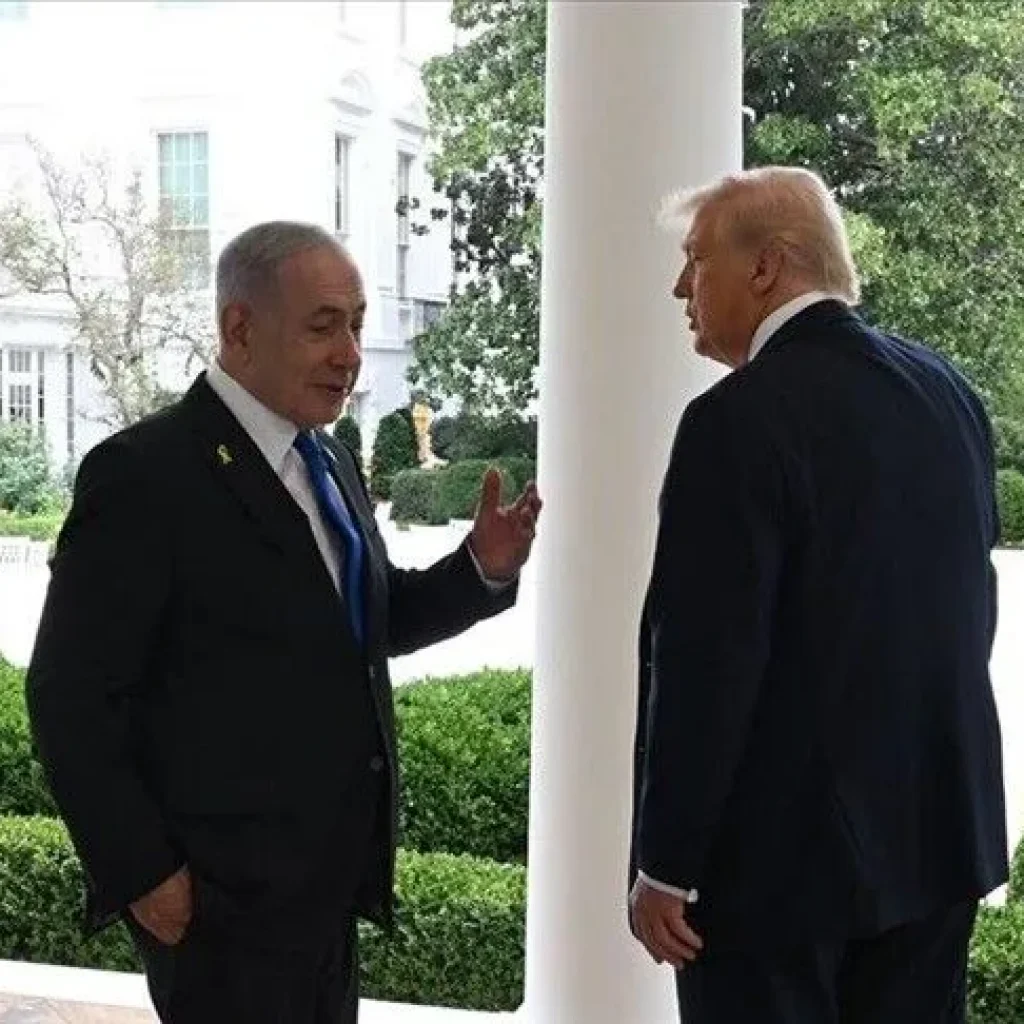
Speaking later at the White House, Trump defended the renewed military campaign, accusing Iran of initiating the latest round of hostilities and insisting the United States was responding with overwhelming force. He maintained that Tehran had made a strategic mistake by confronting Washington and vowed to continue military pressure.
Analysts, however, warned that the administration’s strategy risks fueling an open-ended regional conflict rather than compelling Iran to negotiate.
They argue that Washington continues to rely on military coercion despite repeated indications from Tehran that additional pressure is more likely to provoke retaliation than concessions.
Iranian Deputy Foreign Minister Kazem Gharibabadi accused the United States of unilaterally destroying the memorandum of understanding signed between the two countries and violating every major obligation contained in the interim agreement.
According to Iranian state media, he said Tehran no longer considers itself bound by the accord, including commitments related to navigation through the Strait of Hormuz.
Gharibabadi also rejected suggestions that renewed military pressure or the naval blockade would force Iran back to the negotiating table, arguing that Washington had abandoned diplomacy in favor of coercion and bears responsibility for reigniting a conflict that threatens the stability of the entire Middle East.
The latest escalation underscores the collapse of one of the few remaining diplomatic channels between Washington and Tehran.
Critics argue that by resuming military strikes and imposing a renewed blockade, the United States has further destabilized an already volatile region, increased the risk of a wider war, and undermined prospects for a negotiated settlement while exposing millions across the Gulf to the consequences of an expanding conflict.


Read also