Palestinian churches welcome Church of England vote on Kairos Palestine
Committee says decision strengthens global church support for justice, human dignity, and ending Israel's occupation of Palestinian territories
© Anadolu Agency
RAMALLAH, Palestine (MNTV) — The Higher Presidential Committee for Church Affairs in Palestine welcomed the Church of England General Synod’s decision to encourage engagement with the Kairos Palestine and Kairos Palestine II documents.
It described the move as an important step toward strengthening international church support for justice, peace, and the rights of the Palestinian people.
The Kairos Palestine declaration, first issued by Palestinian Christian leaders in 2009, is regarded as one of the most influential statements by Palestinian churches.
It calls for an end to Israel’s decades-long occupation of Palestinian territory and supports nonviolent resistance, including international boycotts, as a means of achieving a just peace founded on freedom, equality, and human dignity.
In a statement, the committee, headed by Ramzi Khoury, said the General Synod’s decision carries particular importance because of the Church of England’s status as the country’s established church and its longstanding influence in British public life.
The committee noted that the participation of Church of England bishops in the House of Lords gives the decision additional moral, political, and ecclesiastical significance in discussions concerning justice, peace, and the rights of Palestinians.
According to the committee, the Synod’s decision followed a recent visit to the occupied Palestinian territories by Archbishop of Canterbury Sarah Mullally, who met Palestinian political and religious leaders and received briefings on the conditions facing Palestinian churches and Christian communities living under Israeli occupation.
The committee said the vote reflects growing awareness among churches around the world of the realities faced by Palestinians and the importance of listening to the voices of Palestinian Christians, who continue to advocate for justice, human rights, and peaceful resistance to Israel’s occupation.
It added that the decision reinforces international efforts to pursue a just and lasting peace grounded in international law, human rights, and Christian values, rather than policies that perpetuate occupation and inequality.
The General Synod also called for greater theological and human rights engagement with conditions in the occupied Palestinian territories and urged a review of church investment policies relating to the occupied territories in light of the International Court of Justice’s advisory opinion issued on July 19, 2024.
The Palestinian committee welcomed the Synod’s support for a comprehensive peace that guarantees security, justice, dignity, and equal rights for all people, describing the vote as “an important step in strengthening the role of churches worldwide in promoting justice and peace.”
It also called on churches and Christian institutions across the world to continue listening to Palestinian churches, support efforts to end Israel’s occupation, advance a just and comprehensive peace, and preserve the historic Palestinian Christian presence in the Holy Land.
Earlier this month, Archbishop Atallah Hanna, head of the Sebastia Diocese of the Greek Orthodox Church in Jerusalem, urged Orthodox, Catholic, and Protestant churches worldwide to formally adopt the Kairos Palestine document and take what he described as clearer and more courageous moral positions on the suffering of Palestinians, particularly in the Gaza Strip.
Hanna criticized some Western churches for relying on what he called cautious diplomatic language instead of taking firm positions against Israel’s actions in the occupied Palestinian territories.
He said Israel’s genocide in Gaza “does not require diplomatic statements but clear, courageous and strong positions aimed at achieving justice, freedom and ending the occupation.”
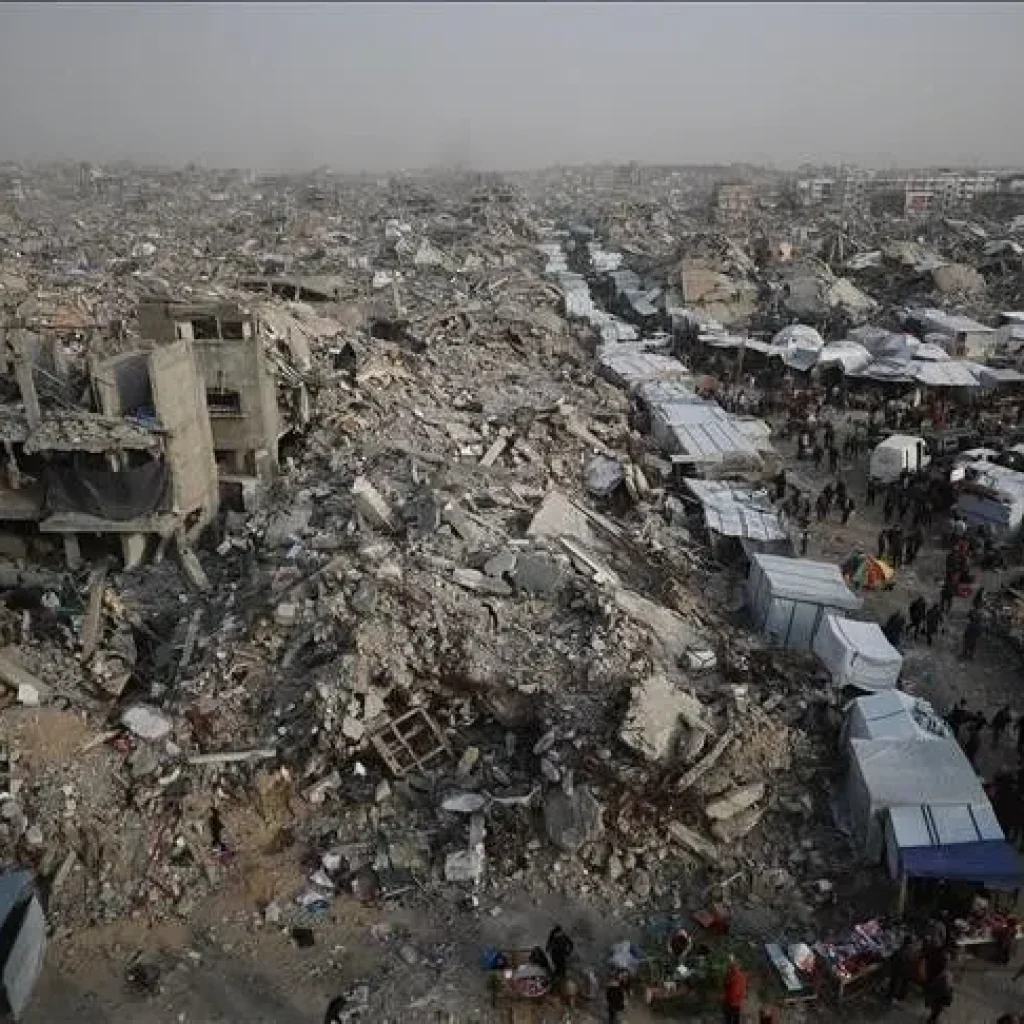
According to Gaza’s Health Ministry, more than 73,000 Palestinians have been killed and over 173,000 injured since Israel launched its genocide of Palestinians on Oct. 8, 2023.
Independent authorities also say approximately 90 percent of Gaza’s civilian infrastructure has been damaged or destroyed during the ongoing assault.


Read also