Israel kills 39 Palestinians in 24 hours, destroy mosque as blockade chokes aid
© Anadolu Agency
Heavy airstrikes in central Gaza leave dozens dead, including worshippers at a refugee camp mosque, while Israel’s 60-day siege deepens the humanitarian crisis
GAZA, Palestine (MNTV) — Israeli airstrikes killed at least 39 Palestinians across the Gaza Strip in the past 24 hours, according to the Palestinian Health Ministry.
Medical sources said 23 people were killed in attacks during the early hours of Wednesday alone, with 14 deaths concentrated in central Gaza’s Nuseirat refugee camp.
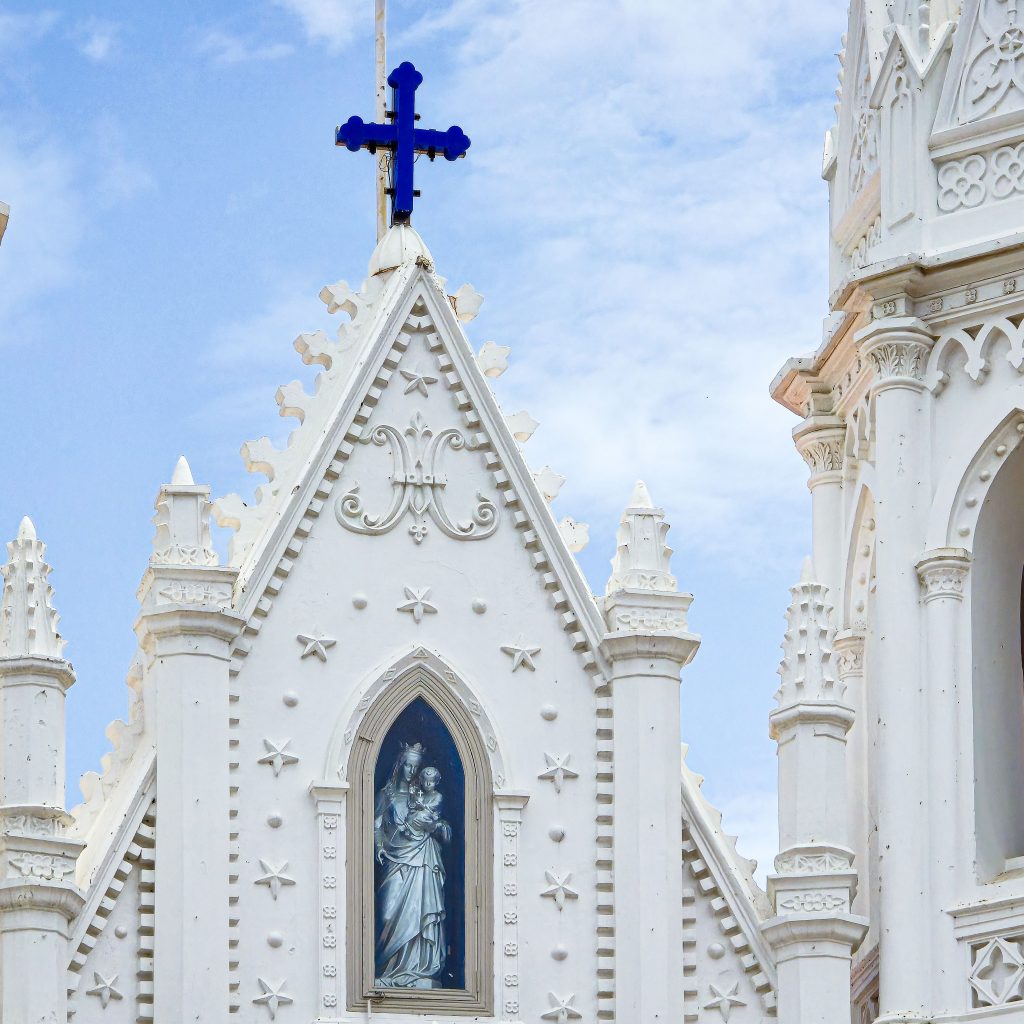
The most devastating single incident occurred when Israeli warplanes bombed the Al-Faraj Mosque in Nuseirat, reducing it to rubble and killing at least eight people.
Eyewitnesses described the force of the explosion as akin to an “earthquake,” while survivors were rushed to Al-Awda Hospital with severe injuries.
THE continuing siege that has now lasted more than 60 days, halting the entry of all humanitarian aid and essential supplies into Gaza. Human rights organisations and medical charities warn that the blockade is creating conditions of mass starvation, medical collapse, and civilian desperation.
“The situation in Gaza is catastrophic on all levels,” said Claire Nicolet, head of emergencies at Médecins Sans Frontières (Doctors Without Borders).
“The total ban on aid since early March is having deadly consequences—children are dying from malnutrition, patients are being operated on without anaesthesia, and entire families are surviving on animal feed.”
The United Nations Relief and Works Agency for Palestine Refugees (UNRWA) announced Wednesday that six of its schools in the occupied eastern half of the Jerusalem will be forcibly closed by Israeli authorities within the next 10 days.
The closures will impact at least 800 Palestinian students, many of whom have no alternative access to education.
“These closure orders are an attack on the right to education and the very institutions meant to protect Palestinian children,” said Roland Friedrich, Director of UNRWA Affairs in the West Bank.
The UN and international human rights monitors argue that these moves are part of a wider strategy to forcibly displace Palestinians and dismantle refugee infrastructure in Jerusalem, in violation of international humanitarian law.
Since Israel launched its military campaign against Gaza on October 7, 2023, the Palestinian Health Ministry says over 52,400 people have been killed, most of them women and children. More than 118,000 have been injured.
The Gaza Government Media Office says the actual death toll is far higher—over 61,700, citing thousands believed buried under bombed-out buildings and inaccessible rubble.
Over 80% of Gaza’s 2.3 million population is now internally displaced, according to UN estimates.
Adding to the devastation is the destruction of Gaza’s religious heritage.
The Palestinian Ministry of Endowments and Religious Affairs reports that 1,109 of Gaza’s 1,244 mosques have been destroyed or partially damaged by Israeli strikes since the conflict began—nearly 90% of all houses of worship.
In November 2024, the International Criminal Court (ICC) issued arrest warrants for Israeli Prime Minister Benjamin Netanyahu and former Defence Minister Yoav Gallant, accusing them of war crimes and crimes against humanity in Gaza.
Both leaders are alleged to have overseen disproportionate attacks on civilian infrastructure, the use of starvation as a method of warfare, and collective punishment of Gaza’s population.
Separately, the International Court of Justice (ICJ) is currently deliberating a genocide case brought by South Africa.
According to a recent report by the World Food Programme, 100% of Gaza’s population is now food insecure, with over a million people at immediate risk of famine.
Calls for an immediate ceasefire and unrestricted humanitarian access have grown louder from global leaders, aid organisations, and faith-based institutions.
Yet diplomatic efforts at the United Nations Security Council continue to face roadblocks, with repeated vetoes stalling international consensus.
Read also