16 hours ago
Democrats prepare to challenge Trump’s tariff agenda
Newly elected senators favor repeal, congressional oversight and selective duties, exposing divisions over future US trade policy
© Anadolu Agency
WASHINGTON (MNTV) — Newly elected Democratic senators have outlined competing proposals to reverse or reshape President Donald Trump’s tariff policies, setting up a potential confrontation over trade when their party takes control of Congress in January.
The November 3 midterm elections gave Democrats majorities in both the Senate and House of Representatives, marking a significant shift in Washington and giving the party greater power to scrutinize the administration’s economic policies.
However, the incoming lawmakers have different views on whether tariffs should be eliminated, subjected to congressional approval or retained selectively to protect American industries.
Democrats propose different approaches to Trump’s tariffs
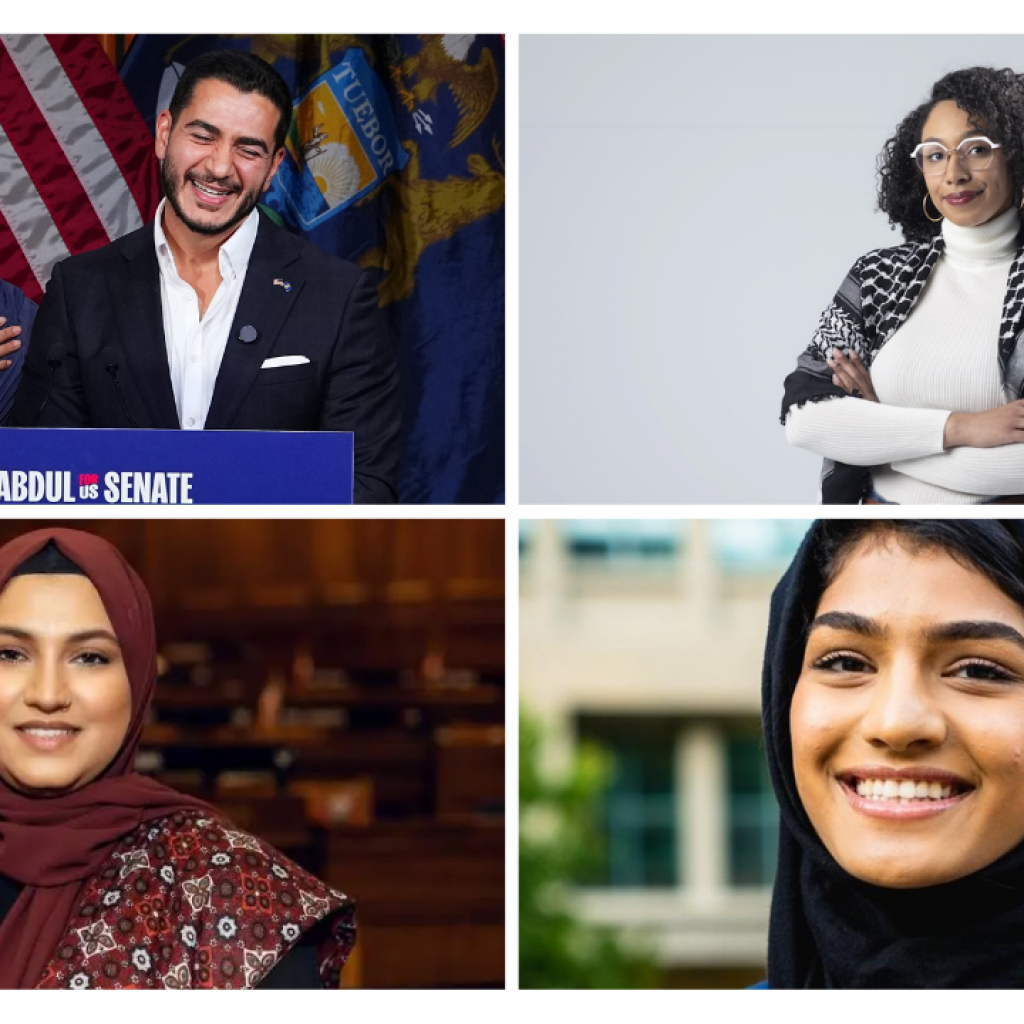
James Talarico of Texas, Adam Hamilton of Kansas, and Abdul El-Sayed of Michigan, who won Senate seats in the elections, have each criticized Trump’s approach to trade, although their proposed alternatives reflect different economic priorities.
Talarico has called for repealing Trump’s tariffs, arguing that import duties increase costs for American households and businesses while threatening employment.
In an October interview with local television station KPRC, Talarico said tariffs had added to household expenses and warned that higher import costs could force businesses to reduce their workforces or pass additional expenses on to consumers.
His campaign platform also calls for rolling back Trump’s tariff policies, opposing measures that risk escalating trade disputes and pursuing trade partnerships that protect American workers.
Hamilton, meanwhile, has focused on restoring congressional oversight of trade policy, arguing that presidents should not be able to impose tariffs unilaterally.
In an October questionnaire published by the Johnson County Post, Hamilton said Congress should approve new tariffs, warning that unpredictable changes in import duties made it difficult for farmers and small businesses to plan their operations.
He also endorsed the Trade Review Act of 2025, introduced by Republican Senator Chuck Grassley and Democratic Senator Maria Cantwell.
The proposed legislation would require the president to notify Congress within 48 hours of imposing or increasing tariffs, explain the reasons for the decision, and assess its potential economic impact.
Under the bill, new tariffs would expire after 60 days unless Congress approved them through a joint resolution. The proposal would also require an assessment of their potential effects on American businesses and consumers.
Hamilton defeated Republican incumbent Senator Roger Marshall, becoming the first Democrat elected to represent Kansas in the Senate in nearly a century, Reuters reported.
El-Sayed, who won Michigan’s Senate race, has advocated a more selective approach, arguing that tariffs can serve an economic purpose when incorporated into a broader industrial strategy.
Speaking at a Detroit Economic Club forum on October 20, El-Sayed said he was not opposed to tariffs in principle but criticized Trump’s approach as chaotic and lacking a coherent economic objective.
He argued that import duties should support the development of domestic industries rather than function as isolated trade measures. Such a strategy, he said, should also include subsidies to help emerging industries grow and compete.
El-Sayed has also called for ending the tariff dispute with Canada, warning that the measures were damaging the automobile industry and increasing costs for businesses and consumers.
In an October 28 interview with Michigan Public Radio, he said Democrats could pursue an end to tariffs on Canadian goods if they gained control of congressional committees.
The three senators’ positions illustrate the different approaches emerging within the Democratic Party: Talarico favors broad tariff repeal, Hamilton wants lawmakers to exercise greater control over trade measures, while El-Sayed supports retaining selected duties as part of an industrial development strategy.
Democratic legislation seeks to repeal selected tariffs
Beyond individual campaign proposals, Democratic lawmakers have already introduced legislation seeking to reverse some of Trump’s tariff measures.
The End Trump’s Tariff Tax Act, introduced by Senate Democratic Leader Chuck Schumer in September as S.5390, seeks to terminate several categories of duties imposed by the Trump administration under three specific legal authorities.
These include tariffs connected to investigations into countries’ failure to enforce bans on imports produced through forced labor, duties imposed under Section 122 of the Trade Act of 1974 to address balance-of-payments problems, and duties imposed under Section 338 of the Tariff Act of 1930 in response to discrimination against US commerce.
The proposed legislation would repeal Sections 122 and 338, terminate the specified duties and require US Customs and Border Protection to refund, with interest, qualifying duties collected under those authorities during periods defined in the bill.
Senator Jacky Rosen of Nevada is among the legislation’s cosponsors. Senator Jacky Rosen of Nevada has supported the legislation, arguing that the tariffs are increasing costs for American households and businesses.
Congressional control does not guarantee tariff removal
However, gaining control of Congress does not automatically give Democrats the authority to remove Trump’s tariffs.
The US Constitution grants Congress power over foreign commerce and taxation, but lawmakers have delegated certain tariff-setting authorities to the president through legislation.
According to the Congressional Research Service, Congress can amend or repeal those delegated powers, although the president retains authority to impose tariffs under existing statutes.
Any legislation passed by lawmakers could also face a presidential veto, requiring a two-thirds majority in both chambers to override it.
Democrats are expected to gain control of congressional committees when the new Congress convenes in January, giving them greater oversight powers and a platform to scrutinize the administration’s trade decisions.
But legislative efforts to repeal Trump’s tariffs could face substantial resistance from the White House. The president can veto bills passed by Congress, while the incoming Democratic majorities are not large enough to guarantee the two-thirds support needed to override such vetoes.
Trade policy experts cited by Reuters have said that Democratic control could shift the congressional debate over tariffs and increase pressure on the administration but would not necessarily result in their removal.
The coming legislative battle is therefore likely to focus not only on whether Trump’s tariffs should remain in place, but also on who should determine US trade policy and what role import duties should play in protecting domestic industries.



Read also