Iran rejects role in Yemen war as Houthis advance
Tehran says Yemen’s Houthis act independently as their latest battlefield gains raise regional tensions and challenge Saudi-backed forces
© Anadolu Agency
TEHRAN, Iran (MNTV) — Iran on Monday denied involvement in Yemen’s escalating war, rejecting claims that Tehran is directing or controlling the Houthi movement as the group makes significant territorial gains.
Iranian Foreign Ministry spokesman Esmaeil Baqaei said Tehran does not interfere in Yemeni affairs and described the Houthis as independent actors who make decisions according to their own interests.
The statement came after the Houthis seized additional territory in recent days, including areas along Yemen’s Red Sea coast, intensifying fighting with Saudi-backed government forces and raising concerns over the strategic Bab el-Mandeb Strait.
The Houthis have also launched fresh missile and drone attacks against Saudi military targets.
The group said that it had carried out a large-scale assault involving dozens of ballistic missiles and drones against King Khalid Air Base in Khamis Mushait in southern Saudi Arabia.
The latest escalation has transformed Yemen into another increasingly dangerous front in a wider regional confrontation. The fighting has disrupted vital maritime routes and contributed to renewed pressure on global energy markets, with oil prices rising above $100 a barrel.
Iran’s denial comes despite persistent allegations from regional and Western governments that Tehran has provided the Houthis with weapons, funding and military expertise.
Reuters has reported that Iranian support played a significant role in the Houthis’ recent seizure of the strategically important Red Sea port of Mokha, while Iran has denied directly directing their military operations.
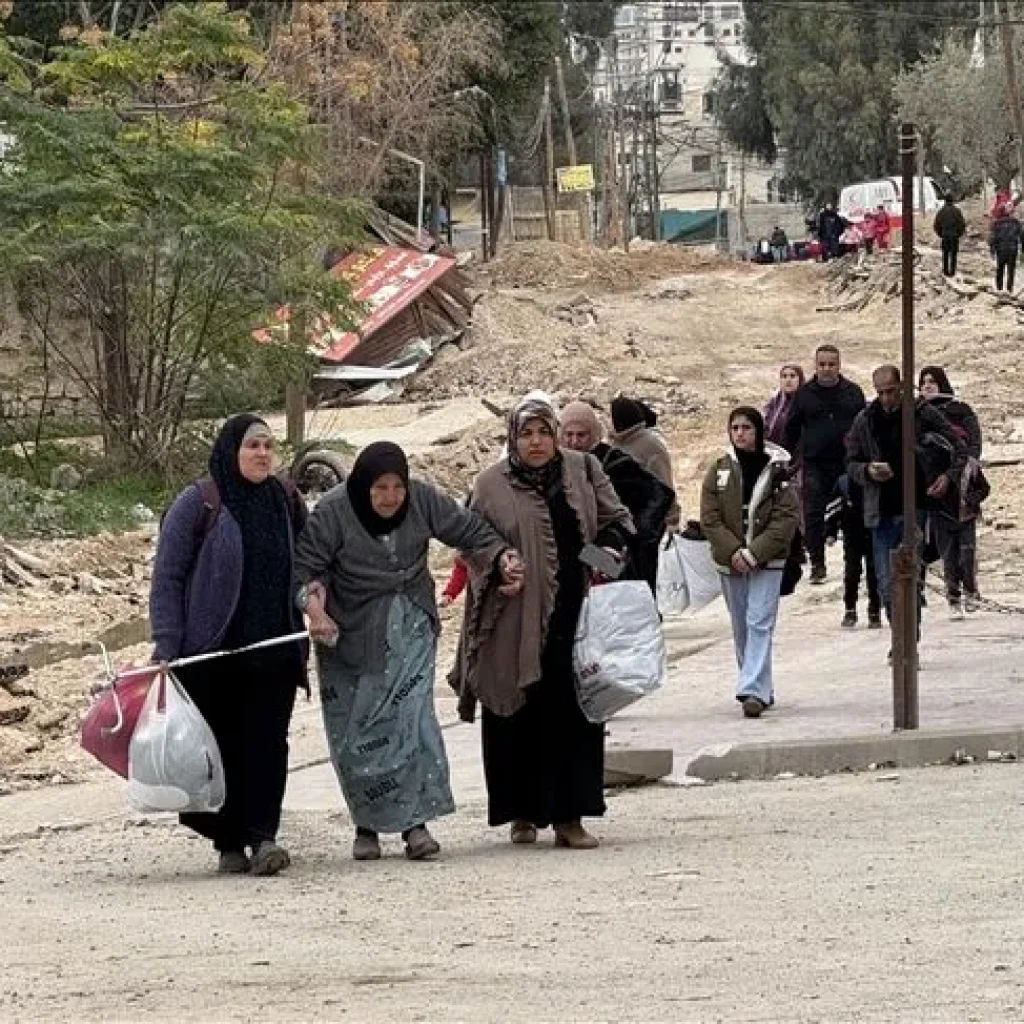
The renewed fighting has also produced a severe humanitarian cost. More than 82,000 people have reportedly been displaced since the beginning of September as civilians flee advancing front lines and fighting along the Red Sea coast.
The Houthis’ growing control over territory and access to the Bab el-Mandeb, one of the world’s most important maritime chokepoints, has heightened fears that Yemen could again become a major arena for regional confrontation after years of devastating conflict.


Read also