Fuel protests spread across Syria as prices surge
Demonstrators block roads and oil routes after fuel prices jump by up to 40%, prompting lawmakers to summon energy minister
© Anadolu Agency
DAMASCUS, Syria (MNTV) — Protests over sharply increased fuel prices spread across Syria for a second consecutive day on Monday, with demonstrators blocking roads and oil tanker routes in six provinces as lawmakers demanded answers from the government.
More than 50 members of Syria’s People’s Assembly signed a request calling for Energy Minister Mohammed al-Bashir to explain the increases and their impact on already strained living conditions. Parliament scheduled a hearing with the minister for Thursday.
The government introduced a new temporary fuel-price schedule at midnight Sunday, raising petrol prices by between 25% and 29% and diesel prices by 40%. The cost of a household gas cylinder also increased, adding further pressure on families already struggling with low incomes and years of economic devastation.
Protests were reported in Hasakah, Deir ez-Zor, Raqqa, Aleppo, Idlib and Daraa. Demonstrators in Hasakah and Deir ez-Zor obstructed routes used by crude-oil tankers, while protesters near al-Bukamal blocked a bridge connecting Syria with Iraq.
In al-Shahil, residents stopped traffic toward the al-Omar oilfield, preventing tanker movement. Truck and haulage drivers in Raqqa staged a sit-in, while protesters in Idlib blocked the M5 motorway near Maaret al-Numan. Demonstrators in Idlib city also called for al-Bashir’s dismissal.
Local reports also described extreme public anger over worsening economic conditions. Euronews said it could not independently verify reports that a young man in Hasakah attempted to set himself on fire in protest against the price increases, while footage from another incident showed a man threatening to burn his vehicle.
Al-Bashir has defended the increases, saying they are necessary to narrow the gap between the cost of importing petroleum products and their domestic sale prices.
Syria currently produces about 102,000 barrels of oil per day against domestic demand of roughly 325,000 barrels, leaving the country heavily reliant on imports.
Maintenance at the Baniyas refinery in Tartus has further reduced domestic refining capacity, forcing Syria to import additional finished fuel products. The Energy Ministry said prices would be reassessed as international oil markets change and the refinery returns to full operation.
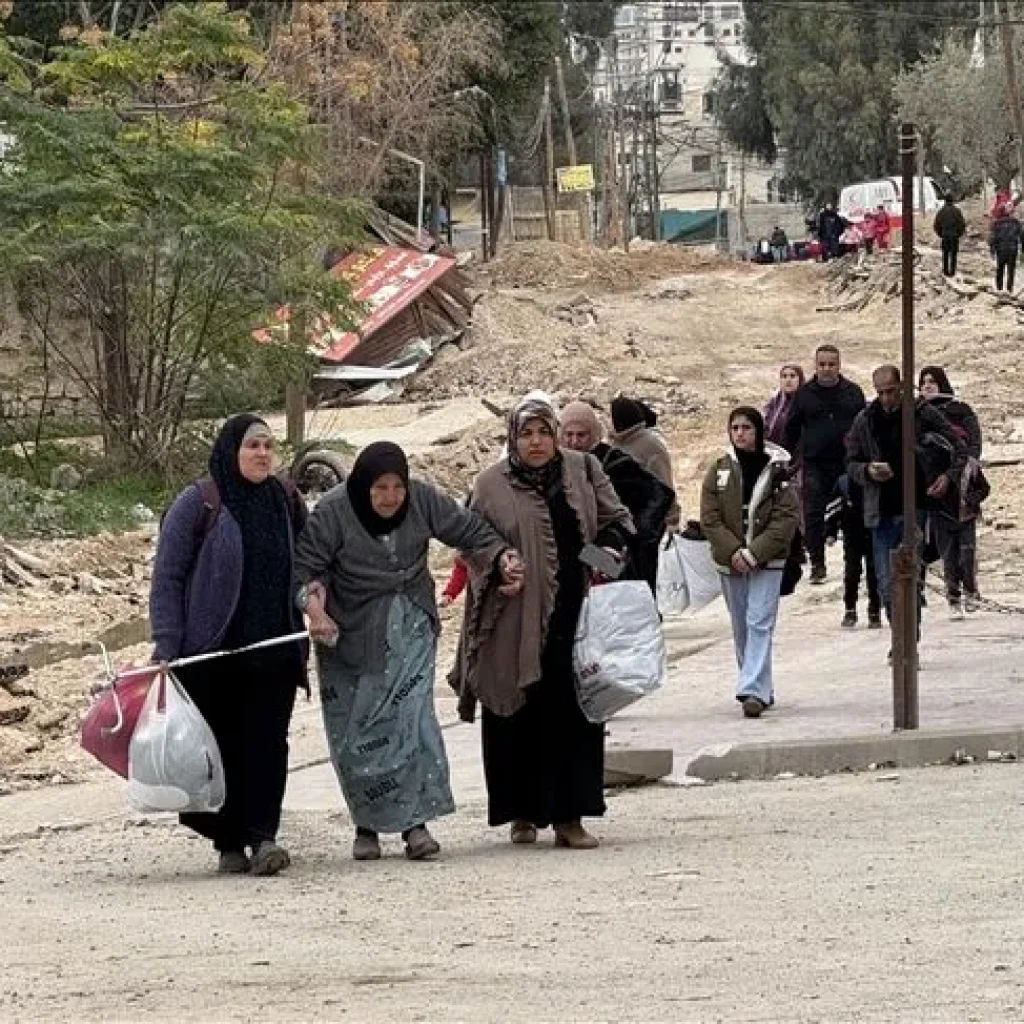
The unrest comes as Syria attempts to rebuild an economy devastated by years of war. The conflict killed more than 580,000 people and displaced an estimated 13.5 million, leaving large sections of the population dependent on an economy with severely weakened infrastructure and limited purchasing power.
The protests now pose a growing political challenge for President Ahmed al-Sharaa’s interim government, as an increase intended to address fuel-import costs has instead triggered widespread public anger and demands for accountability.


Read also