48 minutes ago
YouTube removes over 700 videos showing Israel’s genocide of Palestinians
The Intercept report exposes YouTube’s role in US-backed effort to undermine ICC probe of Israeli actions in Gaza
© File Photo
NEW YORK (MNTV) — YouTube has deleted more than 700 videos and permanently shut down the accounts of three leading Palestinian human rights organizations, in what observers are calling a major blow to digital accountability efforts documenting Israeli violations in Palestine’s Gaza and the occupied West Bank.
According to a detailed investigation by The Intercept, the deleted channels belonged to Al-Haq, Al Mezan Center for Human Rights, and the Palestinian Centre for Human Rights (PCHR) — organizations long recognized for compiling visual evidence and legal documentation of alleged war crimes by Israeli forces.
The removals, carried out quietly in early October, followed a decision by the U.S. government to impose sanctions on the groups for their cooperation with the International Criminal Court (ICC) investigation into Israeli officials, including Prime Minister Benjamin Netanyahu and former Defense Minister Yoav Gallant.
A spokesperson for YouTube’s parent company, Google, confirmed to The Intercept that the deletions were part of compliance with “applicable sanctions and trade laws.” However, the move has provoked sharp criticism from human rights defenders, who warn it effectively erases years of evidence and silences Palestinian voices.
The deleted content reportedly included video investigations into Israeli strikes on civilian areas, testimonies from survivors of bombardments, and footage documenting the killing of Palestinian-American journalist Shireen Abu Akleh. Some of the videos were also used as evidence in international human rights submissions and ICC filings.
Al Mezan said its YouTube account was removed without prior notice on October 7, while Al-Haq confirmed its deletion four days earlier. Both organizations received automated notices stating they had violated platform guidelines, without a detailed explanation.
“YouTube’s removal of a human rights organization’s platform without warning represents a serious failure of principle and a setback for freedom of expression,” an Al-Haq spokesperson told The Intercept.
PCHR’s international advocacy officer, Basel al-Sourani, said the decision deprived the organization of a critical tool for advocacy and transparency. “All our work was factual, evidence-based reporting on crimes against the Palestinian people,” he said, adding that the removals “protect perpetrators from accountability.”
Sarah Leah Whitson, executive director of Democracy for the Arab World Now (DAWN), said the move amounts to censorship. “It’s hard to imagine any legitimate reason for deleting the work of these organizations,” she said, calling YouTube’s compliance “disappointing and surprising.”
Katherine Gallagher, senior attorney at the Center for Constitutional Rights, said YouTube’s actions “further an agenda to remove evidence of human rights violations and war crimes from public view.”
The sanctions prompting the deletions were reissued under the Trump administration in September 2025, renewing a campaign to undermine the ICC’s investigation into Israel’s conduct in Gaza. The penalties froze U.S.-based assets of the three Palestinian groups and prohibited American entities from engaging with them.
Rights groups have decried the sanctions as politically motivated, warning they criminalize documentation of war crimes. In 2021, Israel had already designated Al-Haq and several other NGOs as “terrorist organizations” — a move widely condemned by the United Nations and European governments.
The deleted YouTube archives had served as a public record of civilian casualties, home demolitions, and forced displacement. Some of the removed videos are still accessible through the Internet Archive’s Wayback Machine or on alternative platforms such as Vimeo and Facebook, but human rights experts fear a permanent loss of critical documentation.
As of early November, the three organizations remain blocked from YouTube. They are now exploring non-U.S.–based hosting services to safeguard their digital evidence from future political interference.
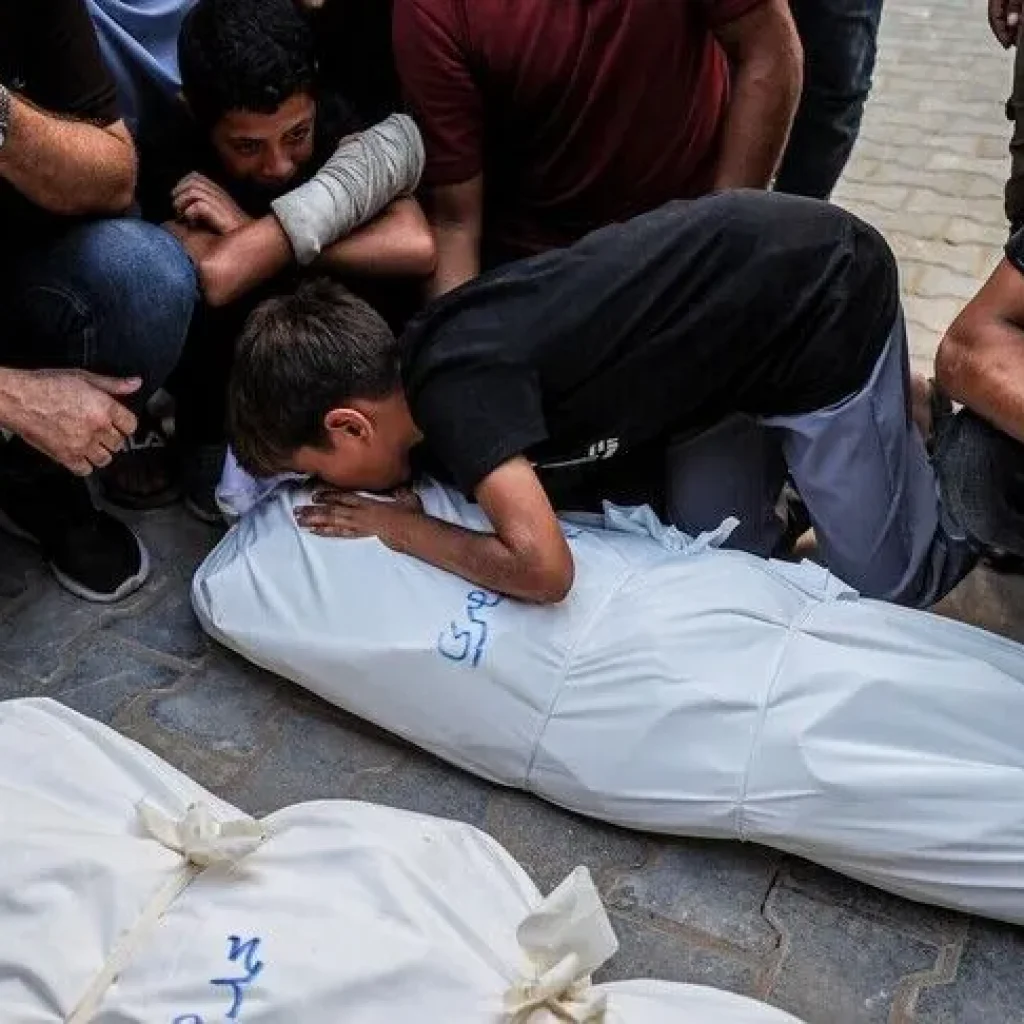
The controversy comes amid ongoing international scrutiny of Israel’s genocide in Gaza, which has killed nearly 69,000 Palestinians — mostly women and children — and injured more than 170,000 others since October 2023, according to Palestinian Health Ministry and UN reports.
On December 29, 2023, South Africa filed a case before the International Court of Justice (ICJ) accusing Israel of genocide, joined by Spain, Ireland, Libya, Mexico, Belgium, and Türkiye. The ICJ has since ordered Israel to prevent genocidal acts and facilitate humanitarian aid — measures which remain largely ignored.
For rights defenders and independent observers, YouTube’s decision underscores a deepening digital suppression that mirrors broader efforts to obstruct accountability. “By removing this evidence,” one advocate told The Intercept, “tech companies are not just complying with sanctions — they’re helping to erase history.”

Read also