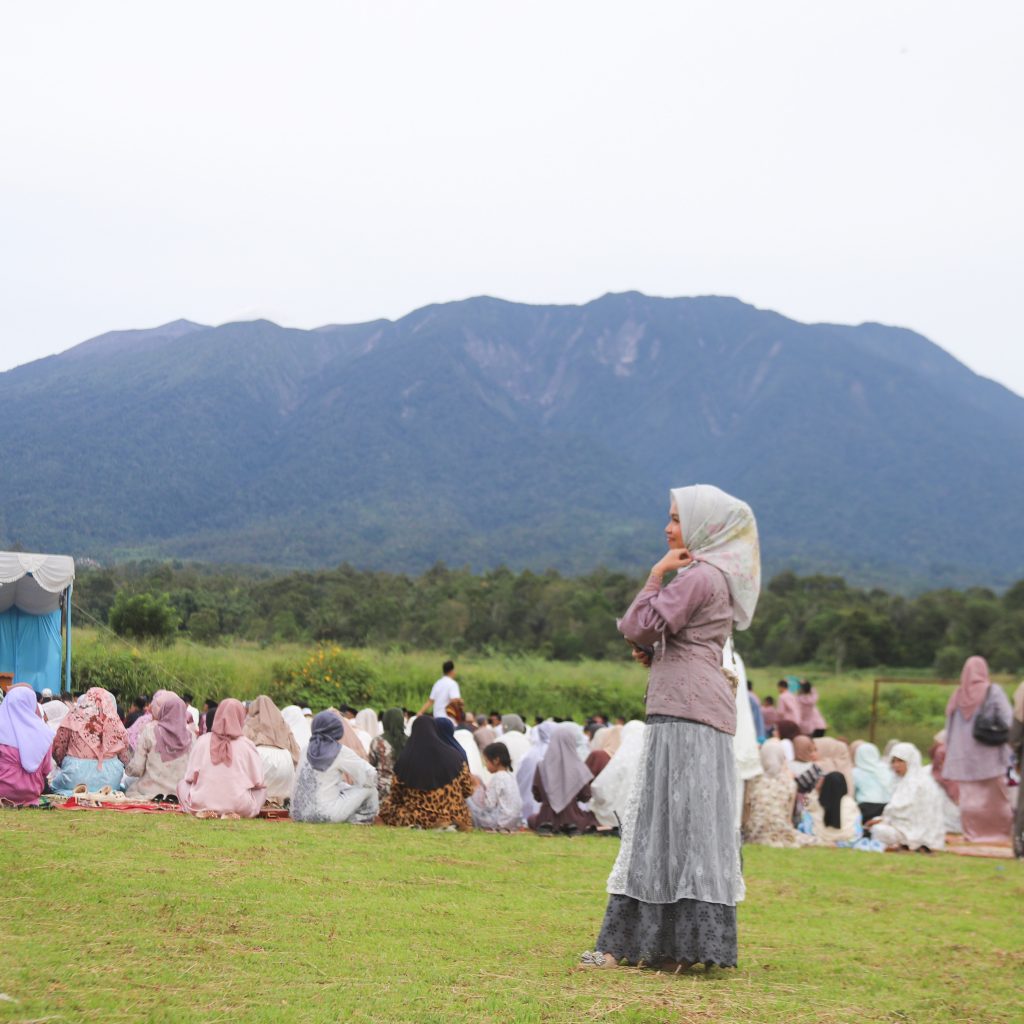
Who is Aisha Wahab, refugee’s daughter who just became the first Afghan American in Congress?
Raised in foster care after her family fled Afghanistan, progressive California senator overcame millions in AIPAC-linked spending to win seat in US House
By MNTV Staff Writer
Aisha Wahab has made history again.
This week she won a special election to the US House of Representatives, becoming the first person of Afghan descent ever elected to Congress — capping a rapid political ascent built on a personal story of refuge, loss, and reinvention.
Wahab, a Democrat, will fill the California seat vacated by Eric Swalwell, who resigned in April amid sexual misconduct allegations that he denied.
She defeated fellow Democrat Melissa Hernández, having entered the race with a commanding lead after finishing more than 25 points ahead in June’s nonpartisan primary.
The two will meet again in November for the full term beginning in 2027.
From foster care to office
Her biography is central to her politics.
Wahab was born in New York City in January 1987 to parents who had fled Afghanistan. After the loss of her family and a period in the foster care system, she and her sister were adopted by a couple in Fremont, in California’s Bay Area — a childhood shaped by displacement and the kind of social safety net she now campaigns to protect.
She built a career in the nonprofit sector and as a technology consultant before entering politics.
In 2018 she was elected to the Hayward City Council, becoming one of the first Afghan Americans elected to public office anywhere in the United States, and later served as the city’s mayor pro tempore.
In 2022 she won a seat in the California State Senate representing the 10th District — becoming the first Muslim and first Afghan American ever elected to the chamber, where she rose to a leadership role as an assistant majority leader.
Public accounts of her education vary: her Wikipedia entry cites a doctorate in social work from the University of Southern California, while other profiles list a bachelor’s degree from San Jose State University and an MBA from Cal State East Bay.
Big money against her
Wahab’s congressional bid drew an extraordinary flood of outside spending aimed at stopping her.
According to Politico, super PACs spent at least $5 million in the closing weeks against her — a mix of support for her opponent and direct attacks — with much of it traced back to the American Israel Public Affairs Committee (AIPAC).
Other estimates cited by the San Francisco Chronicle put the AIPAC-linked onslaught as high as $8 million.
The reason was no mystery. Wahab’s positions on Gaza and US military assistance to Israel had become central to the campaign, placing her among the progressive Democrats that pro-Israel groups have worked hardest to defeat in recent primary cycles.
Her supporters argued the spending backfired, energising her base rather than sinking her — a pattern seen in other recent races where heavy AIPAC-linked spending failed to unseat outspoken critics of Israel’s genocide in Gaza.
Her platform otherwise centred on domestic economic concerns: making healthcare and childcare more affordable, confronting corporate price-gouging, and protecting social safety-net programmes — priorities she roots explicitly in her own experience of hardship.
A barrier-breaker, again
Profiles describe Wahab as a combative, media-savvy politician unafraid to, in one common phrasing, “ruffle feathers” — a style that has drawn both a devoted following and local pushback.
Her victory adds another Democrat to the House and expands the still-small ranks of Muslim representation in Congress. It also marks a milestone for Afghan Americans, a community that has grown significantly since the US withdrawal from Afghanistan in 2021 but has had little presence in national politics.
For a woman who arrived at public life by way of a refugee family, foster care, and a series of firsts, the seat in Washington is the largest barrier broken yet — though, with November’s rematch already looming, likely not the last contest she will have to fight.
Related posts


Read also