US sanctions ICC in assault on international justice and accountability
United States’ punitive measures threaten judicial independence and deepen fears that Washington seeks immunity for itself and its allies
© Anadolu Agency
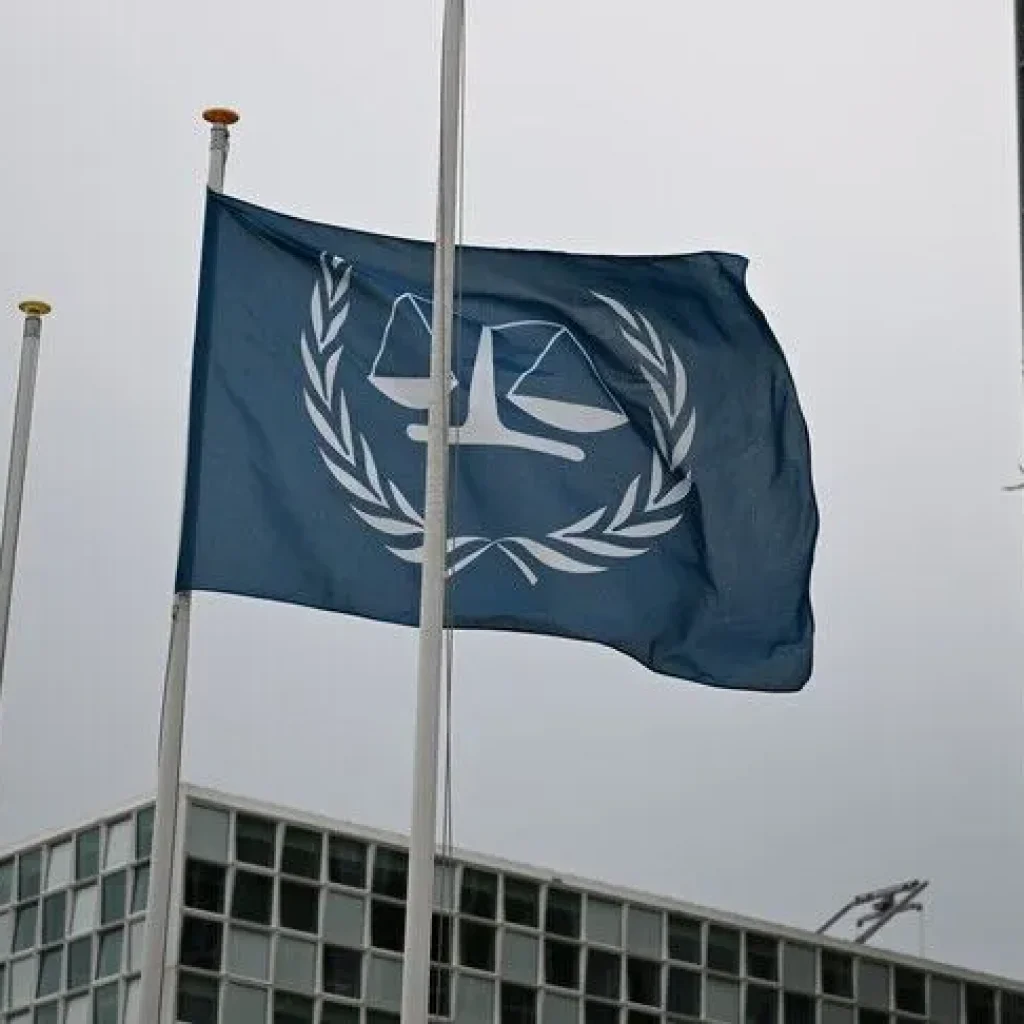
Washington (MNTV) — The United States has imposed sweeping sanctions on the International Criminal Court (ICC), escalating its campaign against international accountability in a move condemned by the tribunal as an attack on the rule of law.
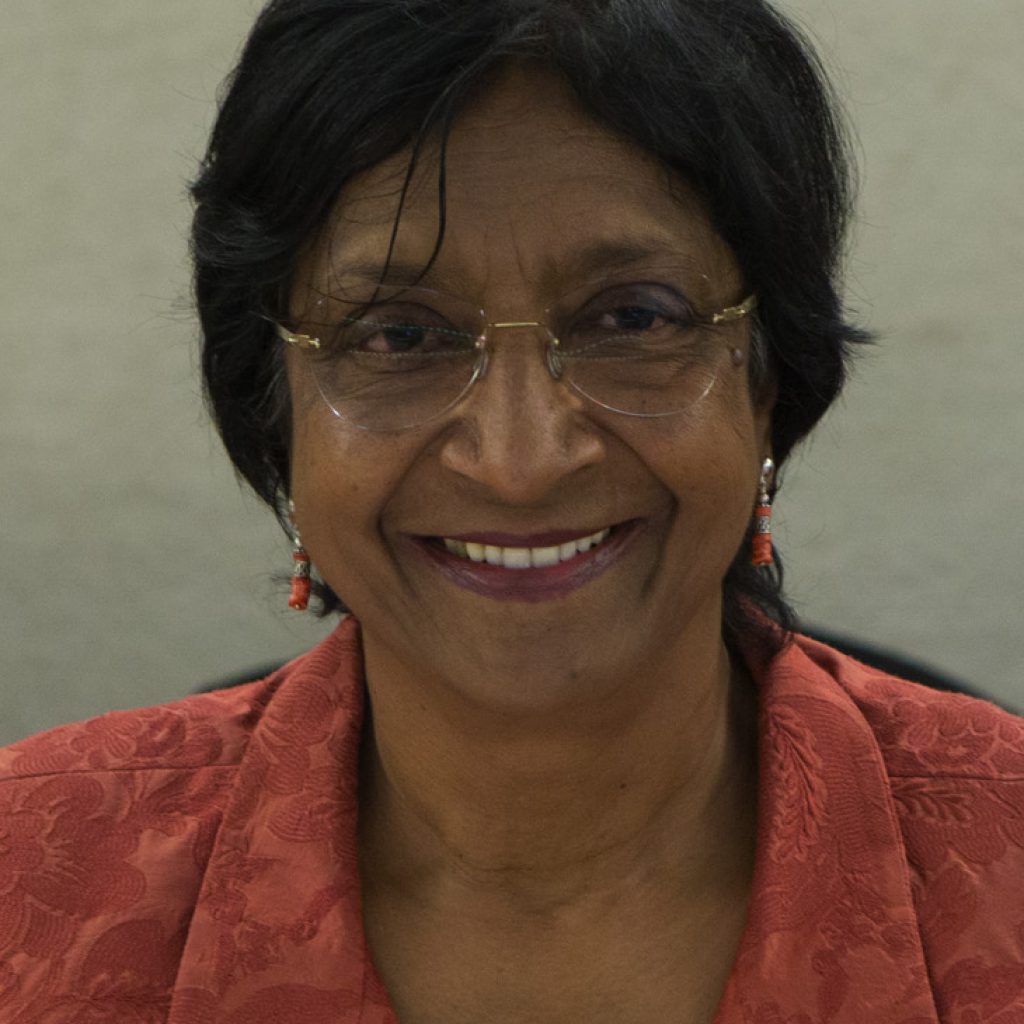
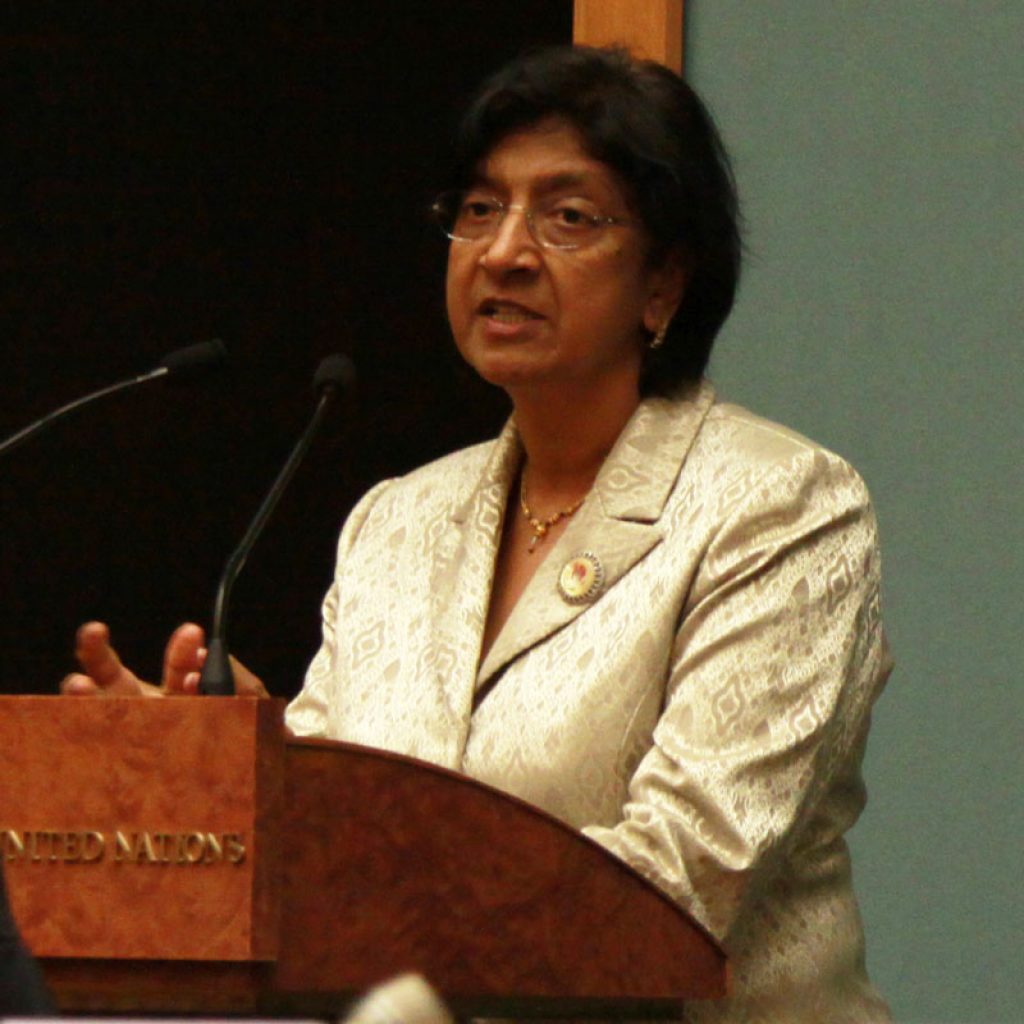
The measures came on October 9, just hours after South African jurist Navi Pillay, a former ICC judge, received the 2026 Nobel Peace Prize for her contributions to international justice.
According to Middle East Eye and other media reports, the Trump administration’s sanctions target the court itself, restricting its access to US-based financial services, technology companies and dollar transactions.
American companies and individuals conducting business with the ICC have been given six months to wind down those activities, threatening to disrupt the tribunal’s essential operations.
US Secretary of State Marco Rubio defended the decision by arguing that Washington would not allow the court to prosecute Americans.
He threatened further action, saying the United States would continue its campaign to dismantle the ICC unless its allies helped rein it in.
The United States is not a party to the court’s founding treaty, but its campaign against the tribunal has intensified over investigations involving American personnel and Israeli officials.
The sanctions represent a deeply troubling attempt by a powerful state to use its economic leverage to obstruct an independent judicial institution.
By threatening the court’s financial and technological lifelines over investigations it opposes, Washington risks reinforcing the perception that international justice is acceptable only when it does not challenge American interests or those of its allies.
The ICC strongly condemned the measures, describing them as an assault on the rule of law and the foundations of the international legal order.
Its president, Tomoko Akane, pledged that the tribunal would continue to carry out its mandate independently and impartially, guided by law and evidence, while appealing to member states to defend the institution.
The court was established in 2002 to prosecute genocide, war crimes and crimes against humanity.
Its work includes proceedings involving Israeli leaders accused of war crimes and crimes against humanity in Gaza, allegations that Israel has rejected.
Washington’s opposition to the court’s investigations has become a central source of confrontation, raising serious questions about the willingness of powerful states to accept international legal scrutiny.
Pillay’s Nobel Peace Prize has added further significance to the confrontation. The South African jurist has served in international courts and held senior United Nations human rights positions.
The award recognizes her contribution to international justice at a time when the institutions responsible for pursuing accountability face mounting political pressure.
Several US allies have also expressed opposition to the sanctions and reaffirmed their support for the ICC.
European governments are considering measures to protect the tribunal and its personnel from the effects of Washington’s restrictions, underscoring the risk of a wider diplomatic dispute over the future of international justice.
The US action poses a fundamental challenge to the principle that no individual or government should stand above the law.
If powerful countries can threaten international courts whenever investigations approach their own officials or allies, the credibility of the global accountability system risks being severely undermined.

Read also