European and Asian nations condemn US sanctions against ICC
Countries defend judicial independence, warning American restrictions could disrupt international justice and threaten court’s personnel
© Anadolu Agency
THE HAGUE, Netherlands (MNTV) — Germany, France, Britain, Canada, Japan and other countries have condemned US sanctions against the International Criminal Court (ICC), warning that the measures could undermine international justice and disrupt the tribunal’s operations.
According to a joint statement published by Germany’s Federal Foreign Office on October 9, eight countries reaffirmed their support for the court’s independence, impartiality and integrity.
Denmark, Germany, France, Italy, Japan, the Netherlands, the United Kingdom and Canada expressed strong disagreement with Washington’s decision.
The foreign ministers warned that the sanctions could significantly affect the court’s work, personnel and their families. They also welcomed preparations by the tribunal to maintain operations despite the threatened restrictions.
The governments pledged to cooperate in supporting the ICC and upholding international accountability. They also committed to constructive dialogue with countries outside the Rome Statute ahead of December’s Assembly of States Parties.
The European Union separately condemned Washington’s decision and pledged to protect the court’s ability to investigate and prosecute international crimes.
The European Commission said it stood ready to take necessary measures to preserve the tribunal’s operations and protect European organizations.
Belgium also called for concrete measures to protect the ICC from American restrictions. Foreign Minister Maxime Prévot said Belgium would press European partners to consider activating the EU’s Blocking Statute.
The Netherlands, which hosts the court in The Hague, described the American move as deeply regrettable. Dutch Foreign Minister Tom Berendsen pledged continued support while noting that the implementation period left room for diplomatic dialogue.
Japan also expressed concern in a statement issued by Foreign Minister Toshimitsu Motegi on October 9. Tokyo said the measures conflicted with its longstanding commitment to international law and support for international courts.
Japan nevertheless called for the ICC and its member states to address challenges facing the institution. Motegi also said Tokyo would maintain communication with Washington, the court’s leadership and other countries.
The ICC strongly rejected the sanctions, describing them as an attempt to obstruct justice and undermine international law. The court said the measures targeted an independent judicial institution established by treaty and supported by 125 member states.
The tribunal warned that the restrictions could disrupt its operations and intimidate people working for or cooperating with the court. It urged member states to ensure that it could continue fulfilling its mandate.
The latest action expands Washington’s campaign against the ICC beyond previously sanctioned judges and prosecutors.
The Trump administration has opposed investigations involving American personnel and Israeli officials, arguing that the tribunal threatens US sovereignty.
US Secretary of State Marco Rubio said Washington intended to restrict the court’s ability to operate. The administration maintains that American citizens should not face prosecution by a tribunal whose authority the United States rejects.
The United States is not a party to the Rome Statute, which established the ICC. The court investigates and prosecutes individuals accused of genocide, war crimes, crimes against humanity and the crime of aggression, subject to its jurisdiction.
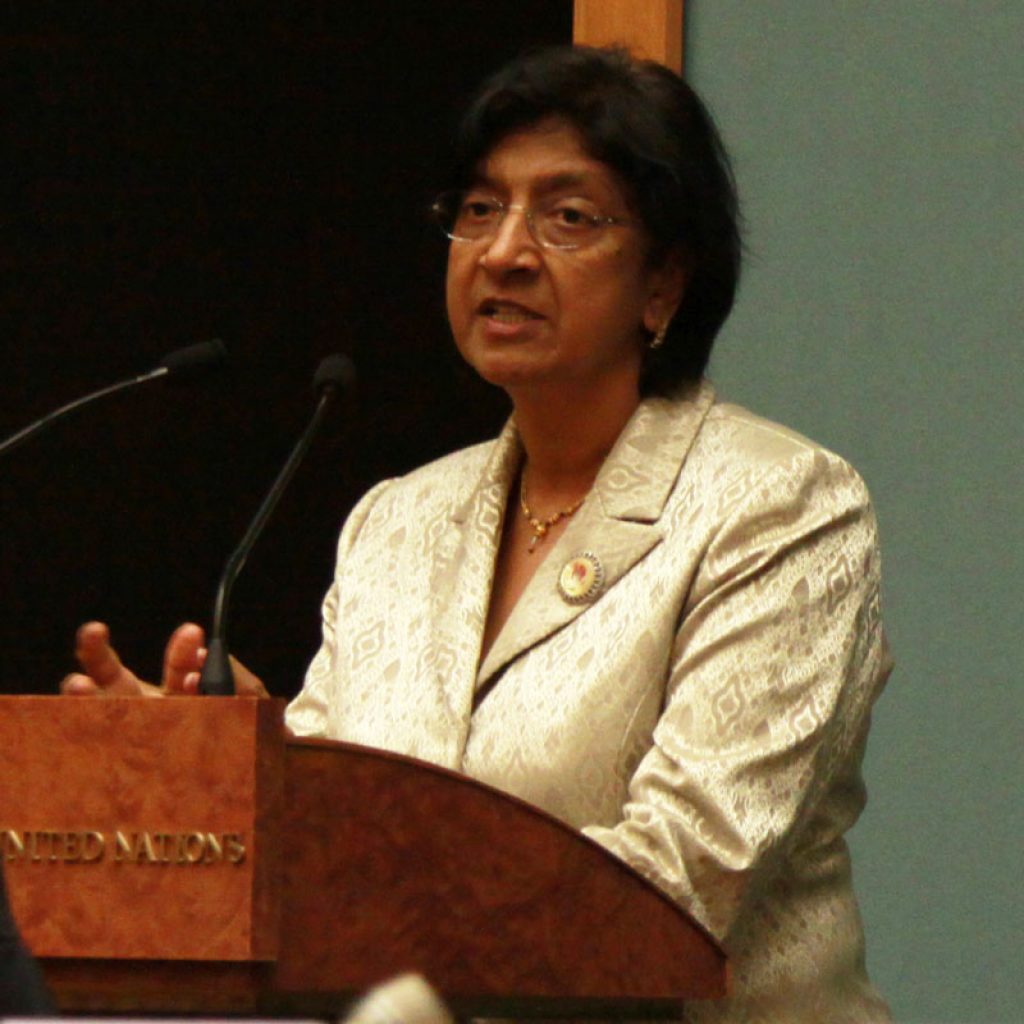
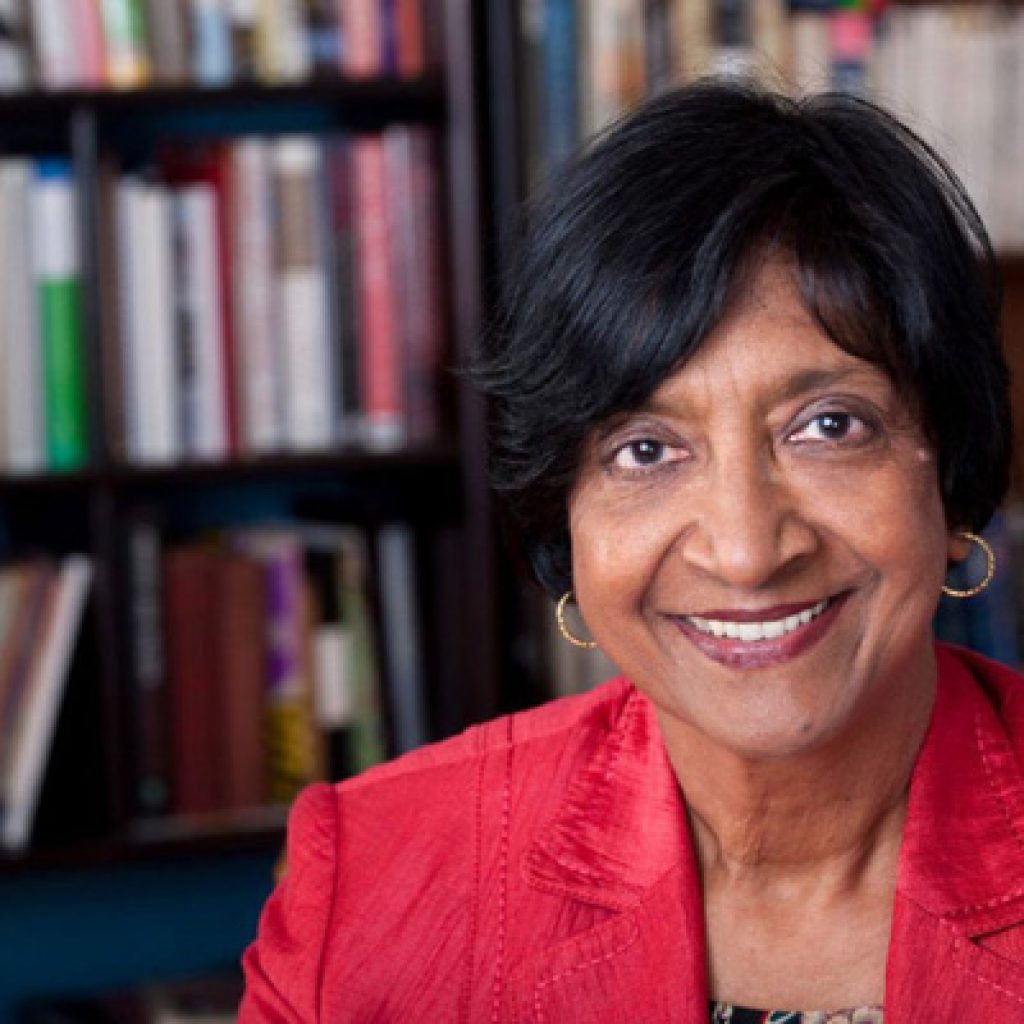
The sanctions announcement coincided with the awarding of the 2026 Nobel Peace Prize to Navi Pillay, a South African jurist and former ICC judge.
Pillay previously served as United Nations high commissioner for human rights and has held prominent international judicial positions.
South Africa condemned earlier American sanctions against four ICC judges in June 2025. However, no separate South African government statement specifically responding to the October 9, 2026, sanctions was verified.
The dispute has intensified tensions between Washington and governments supporting international judicial accountability. European countries and Japan have pledged continued support for the court as they consider ways to protect its operations.

Read also