Trump’s shifting stance on Iran war deepens uncertainty in Washington
Trump's conflicting messages on negotiations, regime change and conflict duration add to strategic confusion
© AA
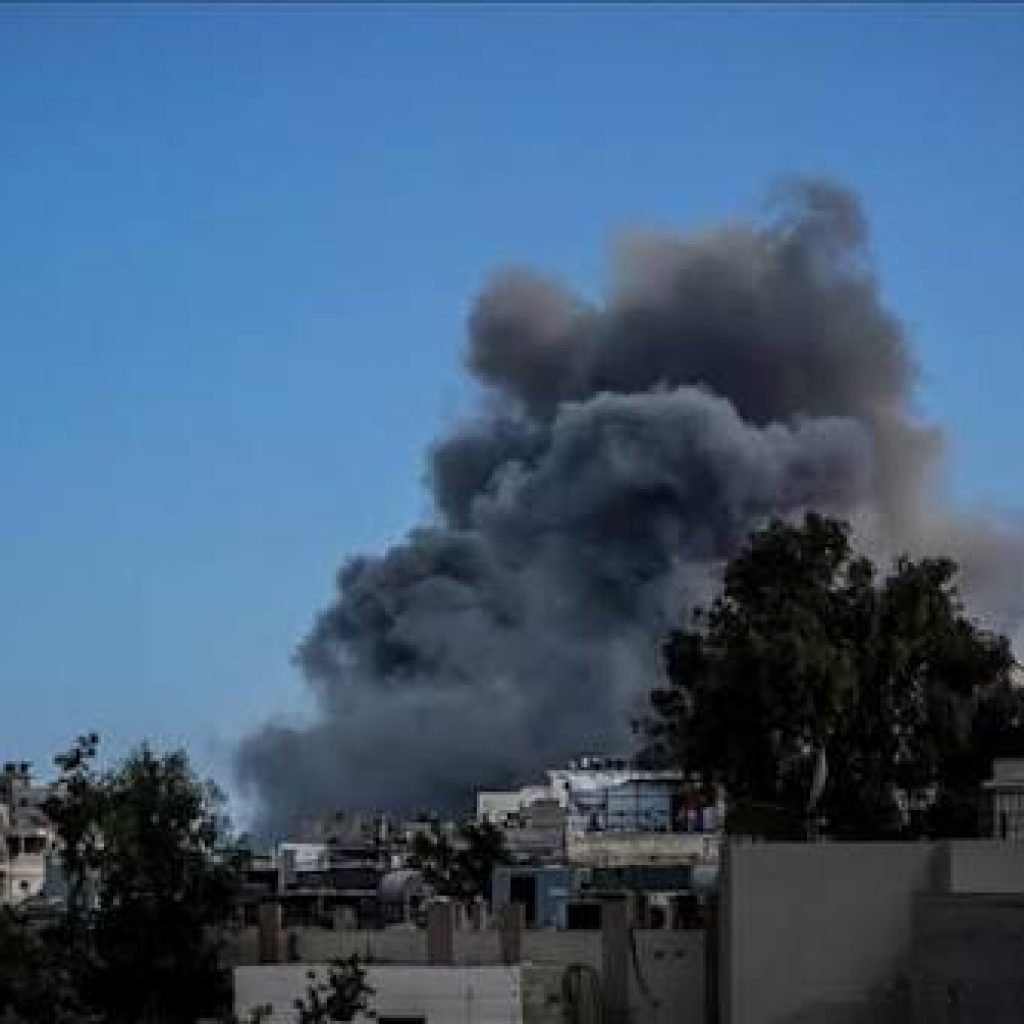
WASHINGTON (MNTV) — As the war between the United States and Iran continues to escalate following joint U.S.–Israeli airstrikes that killed Iran’s Supreme Leader Ayatollah Ali Khamenei, U.S. President Donald Trump has delivered a series of contradictory statements on key aspects of the conflict, fueling confusion and uncertainty in Washington about American objectives and strategy.
Since ordering the strikes early on Saturday, Trump’s public remarks have varied between suggesting a willingness to negotiate with new Iranian leadership and advocating full regime change.
In an interview with The Atlantic, he said Tehran’s emerging leaders appeared open to talks — only to later reverse course in other comments, asserting that the United States would “clear the way” for Iranians to remove their government.
On Monday, during a separate interview with ABC News, Trump claimed that many potential successors to Khamenei had been eliminated in the strikes, quipping that the offensive was so “successful” that “second or third place is dead.”
Later remarks to CNN struck a markedly triumphant tone, with Trump asserting that “we’re knocking the crap out of them.”
The president also provided shifting projections on the war’s duration, initially indicating that operations could last weeks while simultaneously suggesting he did not want the conflict to drag on indefinitely.
The mixed messaging has raised questions among analysts and diplomats about U.S. goals in the campaign.
While Trump described the strikes as the “last, best chance” to stop Iran’s alleged nuclear weapons ambitions, his administration has offered contrasting signals about whether it seeks a negotiated settlement, prolonged engagement or political transformation in Tehran.
The inconsistency comes amid increasingly intense retaliation by Iran, which has launched missile and drone attacks on the U.S. and Israel.
Iranian officials, including Ali Larijani, have vowed that Tehran will defend itself and rejected Trump’s claims that Iran offered dialogue, accusing Washington of pursuing unrealistic ambitions.
The lack of a clear, consistent U.S. strategy — on whether to pursue diplomacy, regime change or limited military objectives — has sparked debate within U.S. political and strategic circles, complicating efforts to chart a path toward de-escalation or negotiated resolution.

Read also