Trump signs new orders to limit birthright citizenship
Weeks after Supreme Court struck down his earlier attempt, president tries again through narrower executive action likely to face challenge
© AA
WASHINGTON (MNTV) — President Donald Trump has signed two executive orders seeking to narrow birthright citizenship — the automatic grant of U.S. citizenship to nearly everyone born on American soil — weeks after the Supreme Court struck down his earlier attempt as unconstitutional.
Rather than seek legislation through Congress, the administration is again relying on executive authority. The orders are narrower than the rejected policy, but are widely expected to trigger fresh legal challenges. Birthright citizenship is guaranteed by the 14th Amendment to the U.S. Constitution, and the administration argues its revised policy targets historically limited exceptions and so falls outside the court’s ruling.
The White House framed the orders around “birth tourism” — foreign nationals traveling to the U.S. to give birth so their children gain citizenship. Senior adviser Stephen Miller said the practice was effectively banned.
The administration cites estimates of 20,000 to 25,000 such births in a one-year period around 2016–2017 — a small fraction of roughly 3.6 million US births in 2025, which critics say does not justify a constitutional fight.
The orders also seek to deny citizenship to children of foreign government employees and of people classified as “alien enemies,” and anticipate future legislation on people born in U.S. territories.
Legal scholars say the strategy appears designed to exploit narrow constitutional ambiguities after the broader effort failed.
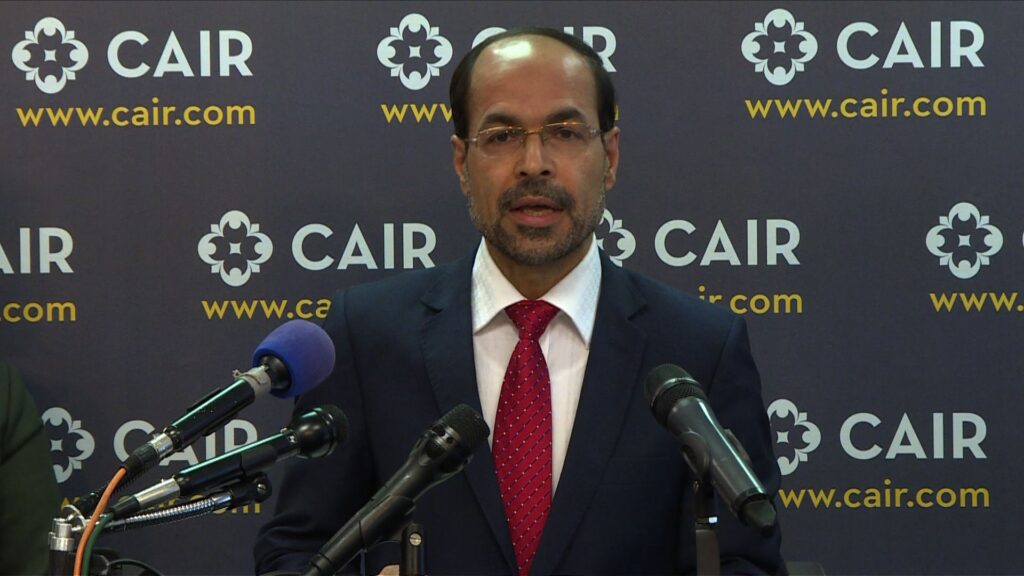
The American Civil Liberties Union and other groups have signaled they will sue, arguing executive orders cannot override a 14th Amendment guarantee and that the administration is repackaging a policy already found unconstitutional.
The dispute is likely to become another test of the balance between presidential power and the courts.


Read also