Sri Lankan Muslims seek representation on electoral body
Muslim leaders say their community should have voice as Sri Lanka redraws electoral boundaries, process that can shape minority representation and voting power
© File Photo
COLOMBO, Sri Lanka (MNTV) — Sri Lanka’s main Muslim umbrella organization has asked President Anura Kumara Dissanayake to appoint a Muslim member to a commission responsible for drawing electoral boundaries, arguing that the minority community should be represented from the beginning of a process that could influence its political representation.
The Muslim Council of Sri Lanka raised concerns after Dissanayake last month appointed three members to the National Delimitation Commission, or NDC, without naming a Muslim representative.
In a letter sent to the president this week, the council pointed out that Muslims had served on previous delimitation bodies and asked him to fill the remaining positions with representation of the community in mind.
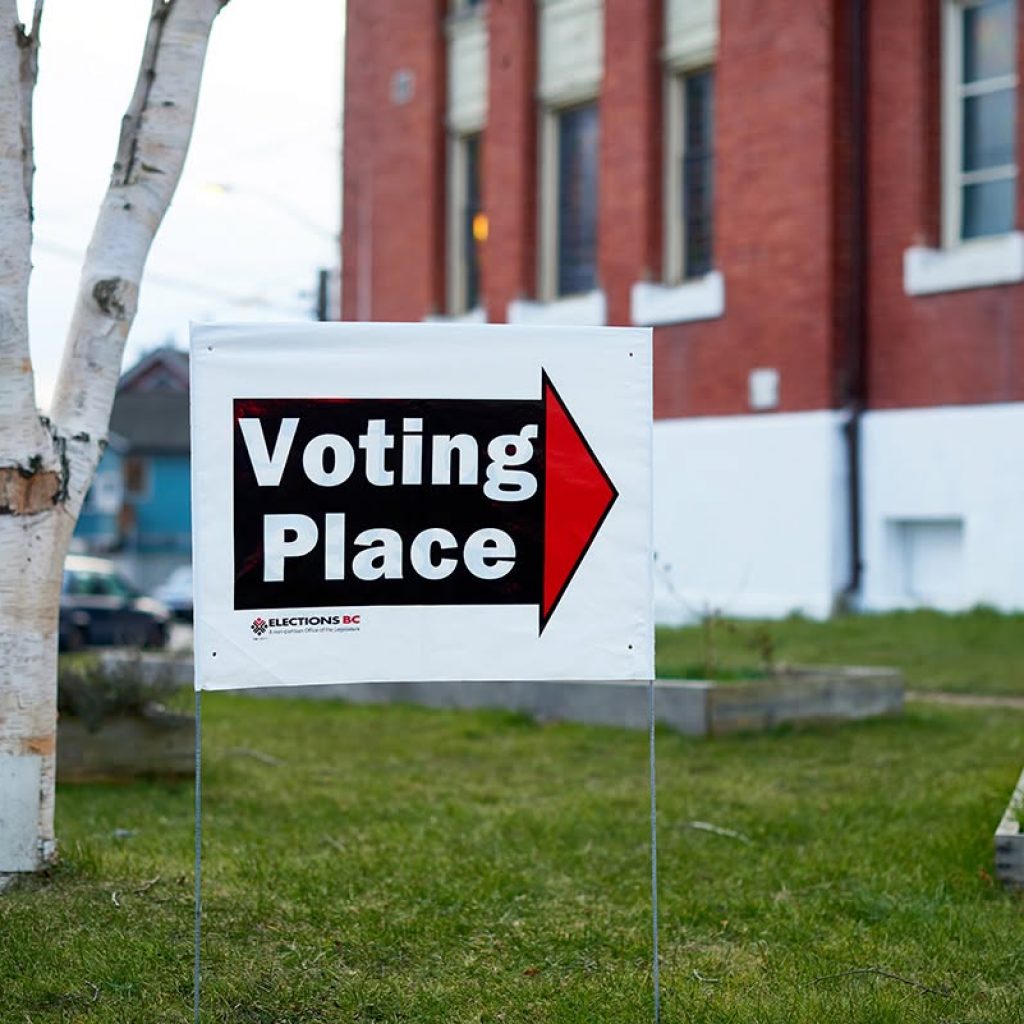
The issue carries particular significance for Sri Lanka’s Muslims because delimitation determines how populations are divided among electoral areas and can consequently affect the weight of communities’ votes and their ability to secure political representation.
Muslims account for roughly 10% of Sri Lanka’s population. While significant Muslim populations are concentrated in parts of the Eastern Province, communities also live across constituencies elsewhere in the country, making the drawing of electoral boundaries potentially important to their political influence.
The NDC is responsible for reviewing and adjusting electoral and geographical boundaries in response to demographic changes, with the broader objective of ensuring populations receive equitable representation.
Decisions about where boundaries are drawn can be especially sensitive for ethnic and religious minorities. Depending on how communities are divided or grouped among electoral areas, boundary changes can strengthen or dilute their collective electoral influence.
The Muslim Council stressed that Muslim representation on previous delimitation bodies had established a precedent, naming M.H. Hasbulla, A.M. Nahiya and M.I.M. Ameer as former members.
“We presume the omission has been an oversight,” the council said.
Sri Lanka’s Constitution provides for a five-member Delimitation Commission. The council therefore urged Dissanayake to appoint a Muslim member before the commission advances further with its work.
It said early participation was important so that the representative could take part in deliberations “from its initial stage.”
The appeal does not mean that Sri Lanka’s Constitution reserves a commission seat specifically for Muslims. Rather, the council is seeking continued minority representation on a body whose decisions can have long-term consequences for how different communities are represented electorally.

Read also