Spain, Morocco sign 14 accords to deepen bilateral cooperation
Deals cover diplomacy, trade, education, disaster management, and migration control, reinforcing ties after years of strained relations
© File Photo
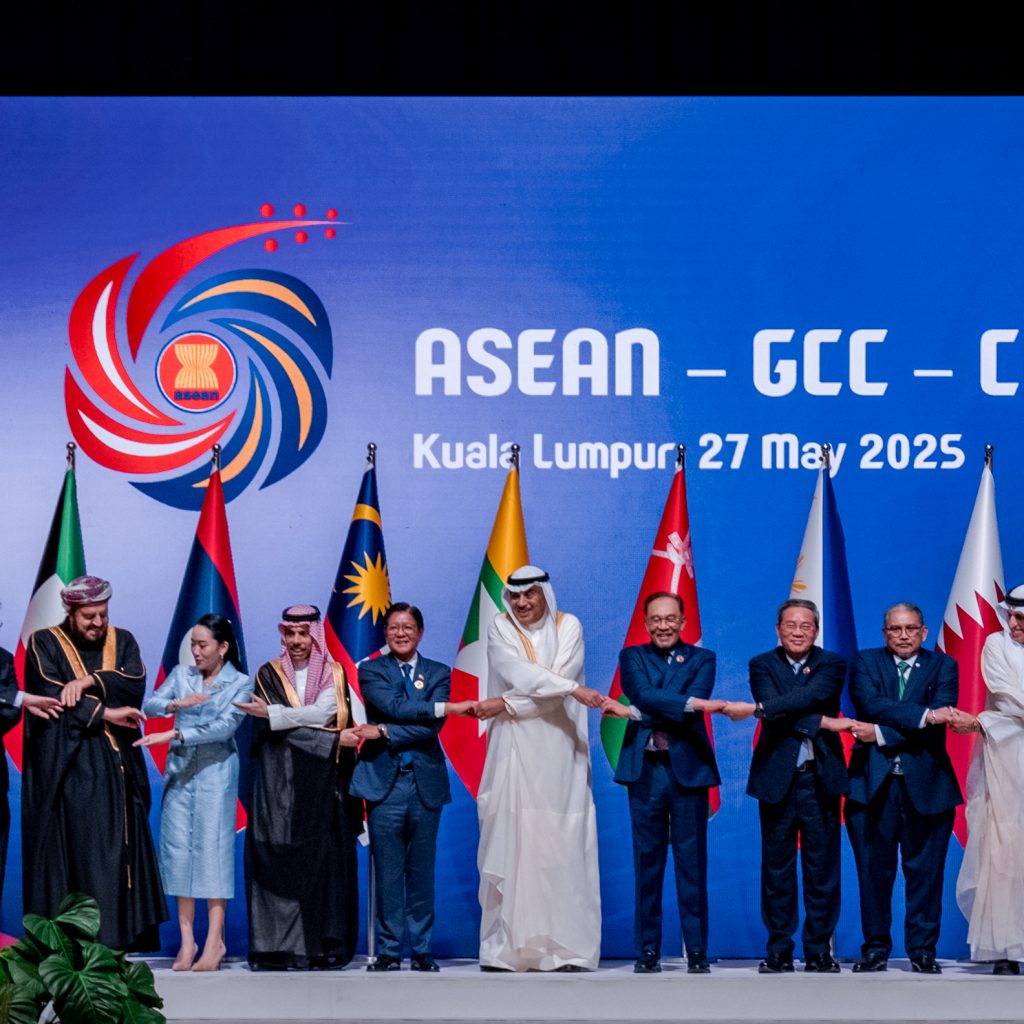
RABAT, Morocco (MNTV) – Spain and Morocco signed 14 cooperation agreements during the 13th High-Level Meeting (HLM) in Madrid, strengthening bilateral ties across multiple sectors.
The event, hosted by Spanish Prime Minister Pedro Sánchez at the Moncloa Palace, brought together Moroccan Prime Minister Aziz Akhannouch and senior officials, including Foreign Ministers José Manuel Albares and Nasser Bourita.
The session reaffirmed the countries’ shared commitment to economic growth, regional stability, and cultural exchange, particularly ahead of their joint hosting of the 2030 FIFA World Cup alongside Portugal.
The agreements, spanning diplomacy, agriculture, education, disaster response, and fisheries, mark a significant step in cooperation since Spain endorsed Morocco’s autonomy plan for Western Sahara in 2022.
This position has been supported by the United States, France, and other international partners.
Among the signed documents were one international administrative agreement, 11 memorandums of understanding (MoUs), and two declarations of intent. Notably, a Feminist Foreign Policy MoU commits both nations to advancing gender equality in international diplomacy.
Cooperation agreements between diplomatic academies and exchange programs aim to develop the next generation of envoys.
Agriculture and fisheries agreements signed by ministers Luis Planas and Ahmed Bouari focus on joint development and combating illegal, unreported, and unregulated (IUU) fishing in the Mediterranean.
A pact was also signed to strengthen collaboration in Spanish-administered schools in Morocco, promoting Arabic language instruction and Moroccan culture. Additional agreements cover sports, documentary heritage, and digital legislative processes.
A MoU on disaster response was signed to enhance joint resilience strategies, while broader economic agreements seek sustainable development in shared Atlantic waters.
These pacts complement existing trade, with bilateral exchanges exceeding €22.7 billion annually. Spain remains Morocco’s largest EU trading partner, exporting machinery, vehicles, and chemicals while importing textiles, fish, and produce.
The meeting also highlighted Morocco’s role in controlling illegal migration, reflected in a significant drop in arrivals to Spain’s Canary Islands due to enhanced border cooperation in Ceuta and Melilla.
Discussions touched on airspace management, with Morocco advocating for expanded oversight of southern routes, and counter-terrorism cooperation was praised, referencing commitments from previous international conferences.
The joint statement at the conclusion of the HLM emphasized the success of the Fourth International Conference on Financing for Development in Seville earlier this year and reiterated both countries’ dedication to multilateralism.
Related posts

Read also