Oman rejects transit fees for Strait of Hormuz but open to maritime service charges
Oman said it opposes transit fees on vessels navigating Hormuz but signaled willingness to explore charges tied to maritime services
© AA
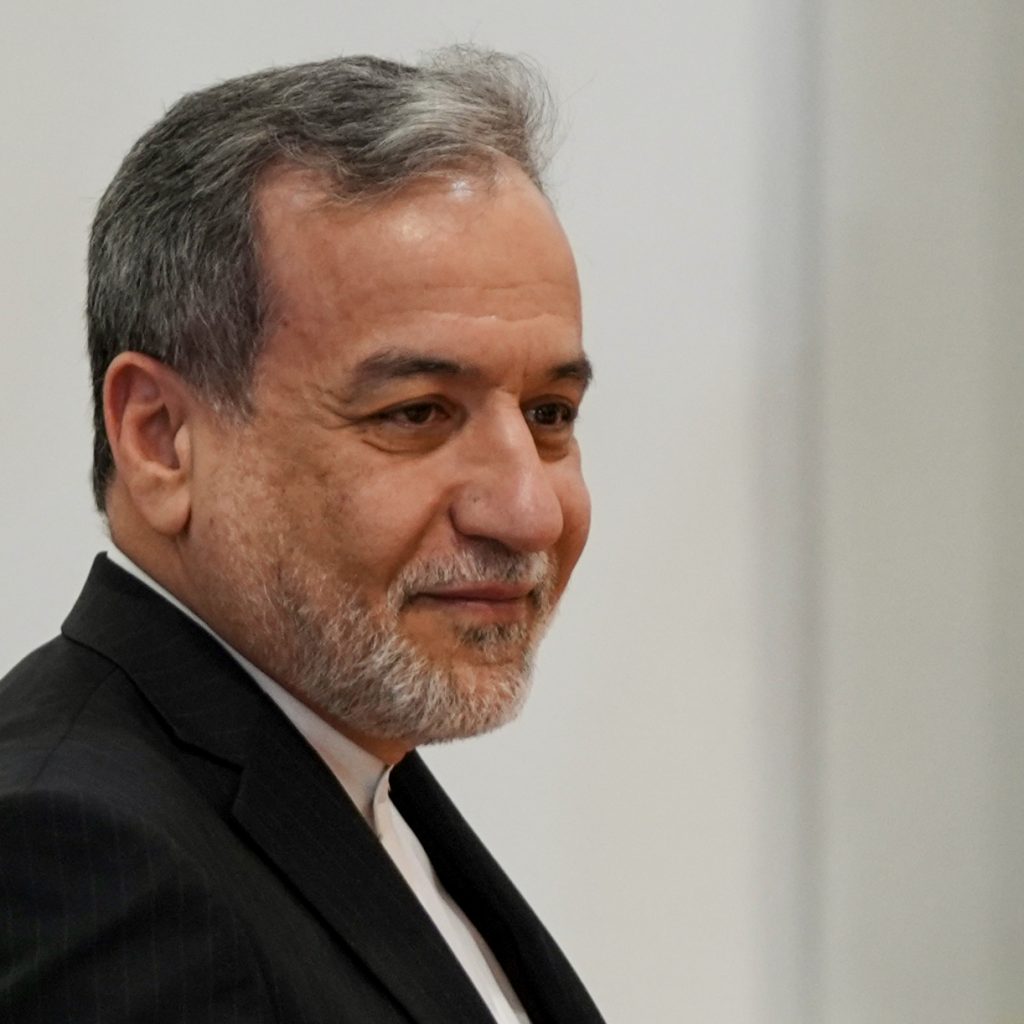
MUSCAT (MNTV) — Oman said Monday it opposes levying transit fees on vessels navigating the Strait of Hormuz but signaled willingness to explore charges tied to maritime services in the strategic waterway.
Foreign Minister Badr Albusaidi told Monte Carlo International Radio that Muscat does not back the imposition of any fees on ships passing through the strait.
He suggested, however, that arrangements related to services such as navigational safety, emergency response and environmental protection could be discussed, pointing to similar frameworks already in place in the Straits of Malacca and Singapore as potential models.
Albusaidi reaffirmed Oman’s commitment to ensuring navigation through the Hormuz passage remains free, safe and secure for all parties. He said any future agreements involving Iran and the strait would adhere to international law, particularly the UN Convention on the Law of the Sea.
The remarks come shortly after Oman and Iran agreed on June 23 to form a joint working group to discuss the management of navigation and maritime services in the strait. Both sides also committed to consulting other coastal states and stakeholders on the matter.
Albusaidi voiced support for the implementation of the memorandum of understanding reached between Washington and Tehran and called for continued de-escalation across the region.
He described a broad consensus among Gulf states on the need to reduce tensions and honor existing agreements.
The foreign minister also dismissed suggestions that recent regional turbulence had strained Oman’s relationship with the United States, characterizing the bilateral ties as rooted in mutual respect and cooperation.
The Strait of Hormuz remains one of the world’s most vital maritime chokepoints, handling roughly a fifth of global oil consumption and serving as a critical artery for international energy supplies and trade.
Related posts


Read also