OIC slams Israel, calls for unity on Gaza, Iran, Kashmir and Islamophobia
Istanbul Declaration, adopted amid the Israel-Iran war, calling for global accountability, regional peace, and protection of Muslim rights
© Anadolu Agency
ISTANBUL, Türkiye (MNTV) — The Organization of Islamic Cooperation (OIC) wrapped up its 51st Council of Foreign Ministers (CFM) in Istanbul on 22 June 2025, unveiling a sweeping 33-point Istanbul Declaration.
The Declaration condemned Israel’s widening military campaign across the Middle East, reaffirmed unwavering support for Palestine, Kashmir, and Rohingya Muslims, and demanded international action against rising Islamophobia.
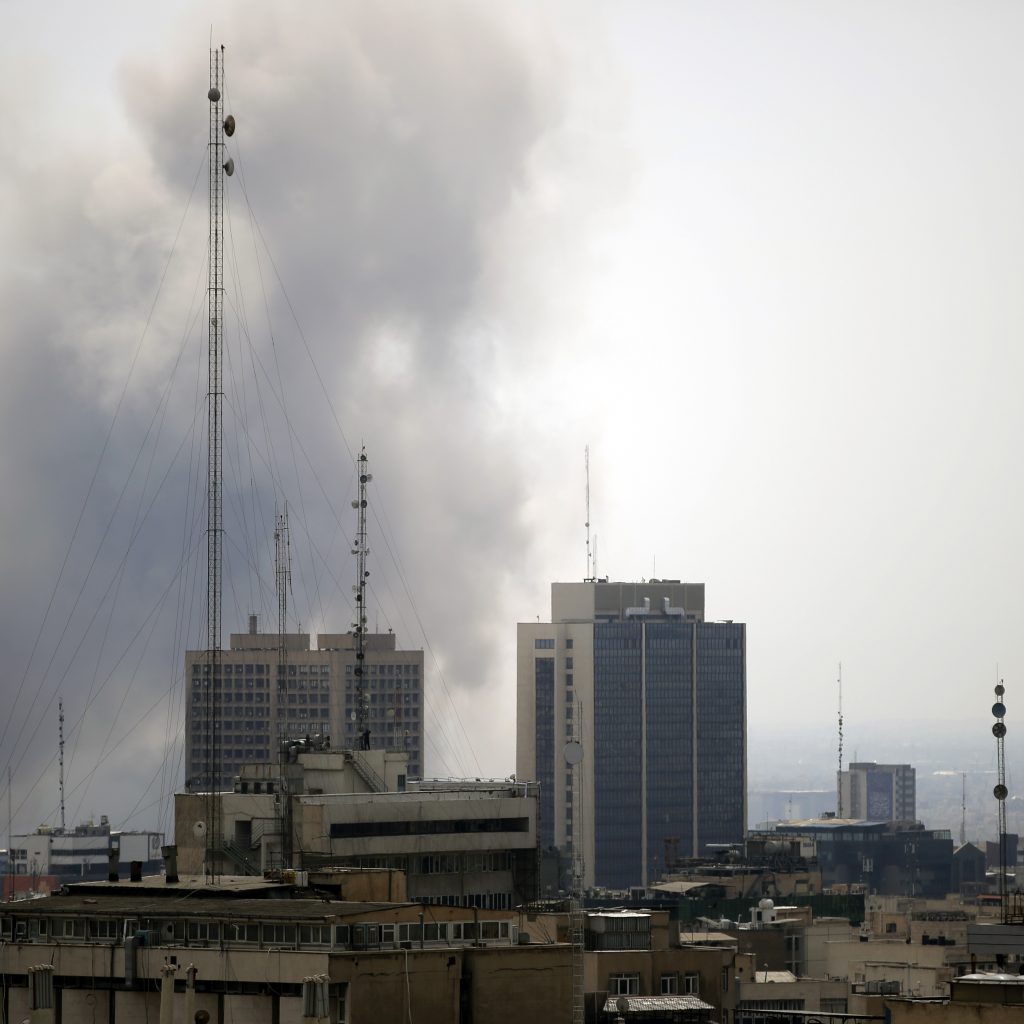
Held under the theme “The OIC in a Transforming World,” the two-day summit gathered foreign ministers and top diplomats from 57 member states. Türkiye, which assumed the rotating presidency of the OIC Council, hosted the session amid rising instability in the Middle East following direct Israeli military strikes against Iran.
The declaration opened with a sharp rebuke of Israel’s airstrikes on Iran, Syria, and Lebanon. These attacks, which Israeli Prime Minister Benjamin Netanyahu has called “pre-emptive security operations,” were described by the OIC as “flagrant violations of sovereignty and international law.”
The ministers agreed to establish an Open-Ended Ministerial Contact Group tasked with engaging key global actors to push for de-escalation and ensure accountability. The bloc condemned what it described as Israeli destabilization policies, warning that unchecked aggression could have devastating human, economic, and environmental consequences for the broader region.
“We strongly condemn the aggression of Israel against the Islamic Republic of Iran,” read the declaration. “We stress the urgent need to stop Israeli attacks and express grave concern over this dangerous escalation.”
The Istanbul Declaration underscored that the Palestinian cause remains the foundational purpose of the OIC, created in 1969 following the arson attack on the Al-Aqsa Mosque.
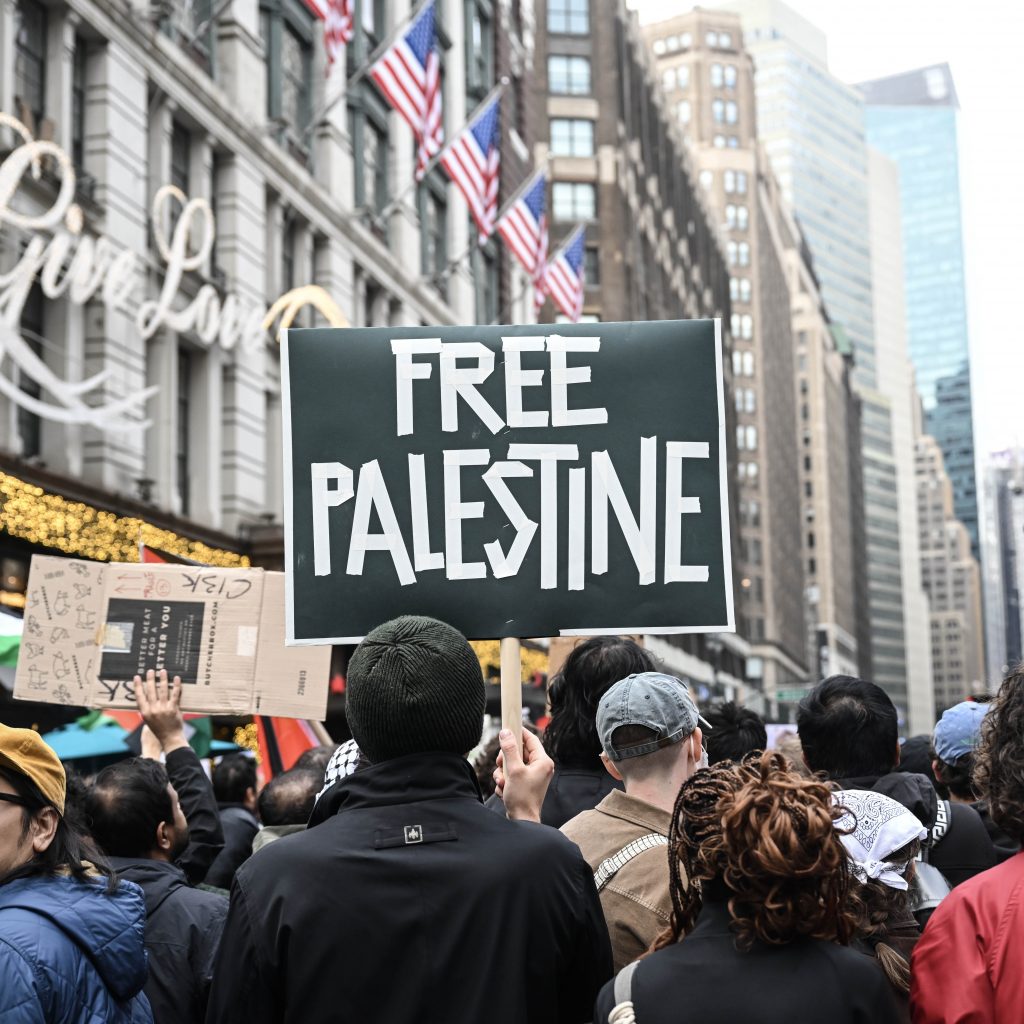
The document reiterated full support for the establishment of an independent, contiguous Palestinian state on the 1967 borders with East Jerusalem as its capital. The OIC rejected all attempts to displace Palestinians and described the situation in Gaza as an “ongoing campaign of genocide.”
The declaration called for:
- Immediate implementation of UN Security Council Resolution 2735 for a permanent and sustainable ceasefire.
- Support for the Arab-Islamic recovery and reconstruction plan for Gaza.
- Political and financial assistance to the Palestinian Authority to take full administrative control of Gaza.
- Strong condemnation of Israel’s use of starvation and forced displacement as tools of warfare.
Moreover, the OIC supported convening an urgent UN High-Level Conference on Palestine, co-chaired by Saudi Arabia and France, to revive the peace process and ensure broad international participation.
Defending sacred Islamic heritage
The ministers condemned attempts by Israeli authorities to alter the civilizational identity of Al-Quds Al-Sharif, especially the legal and historical status quo of Al-Aqsa Mosque.
The declaration applauded the efforts of the Hashemite Kingdom of Jordan, which maintains custodianship of Islamic and Christian holy sites in Jerusalem. It further supported the work of the Al-Quds Committee and its executive arm, the Bayt Mal Al-Quds Al-Sharif Agency.
The OIC also welcomed UNESCO resolutions that reaffirm Al-Aqsa Mosque/Al-Haram Al-Sharif as a Muslim place of worship and recognized Jordan’s exclusive authority to administer it.
Turning to South Asia, the OIC expressed full solidarity with Pakistan following recent airstrikes on multiple locations in Pakistan and Azad Jammu and Kashmir, calling them “unjustified” and a breach of international norms.
The declaration:
- Urged maximum restraint in the region.
- Called for strict adherence to the 10 May 2025 ceasefire.
- Emphasized the importance of bilateral mechanisms such as the Indus Waters Treaty.
On Kashmir, the OIC reaffirmed its support for the people of Indian-administered Jammu and Kashmir, backing their right to self-determination under UN resolutions and OIC decisions. The declaration condemned “massive human rights violations” in the region and called on India to allow international monitoring.
Islamophobia: Rising global menace
In one of its most comprehensive sections, the Istanbul Declaration addressed the global rise of Islamophobia. Labeling it a “form of racism and discrimination,” the ministers condemned hate speech, desecration of religious sites, and acts of violence based on belief.
The declaration urged:
- Effective global mechanisms to counter defamation of religion.
- Legislation to criminalize religiously motivated hate crimes.
- Educational reforms promoting interfaith understanding.
It also reaffirmed that terrorism cannot be associated with any religion, race, ethnicity or nationality, warning against narratives that stigmatize Muslims worldwide.
The OIC voiced strong support for the Rohingya Muslims and called for an end to persecution in Myanmar. It supported the Gambia’s case at the International Court of Justice (ICJ) against Myanmar for genocide and called for the safe repatriation of Rohingya to their homeland.
On Syria, the ministers encouraged international engagement to reintegrate the country into regional systems. They welcomed new collaboration between Türkiye and the Islamic Development Bank aimed at early recovery and infrastructure rehabilitation in Syria.
Regarding Azerbaijan, the OIC praised the normalization process with Armenia and called for resolution of all legal and political obstacles. Member states were encouraged to support demining efforts to facilitate the safe return of displaced persons.
Strengthening OIC’s global role
The Istanbul Declaration marks a strategic pivot in the OIC’s diplomatic posture. The ministers acknowledged that amid a weakened multilateral order, the OIC must act as a major international player capable of influencing regional peace and global governance.
Türkiye, under its new OIC presidency, vowed to “amplify the voice of the Muslim world” and prioritize the rights of Muslim minorities worldwide.
President Recep Tayyip Erdoğan, inaugurating the summit, said: “We must be the guardians of justice, not only for ourselves but for all oppressed people globally.”
The declaration welcomed the 2026 Islamic Summit to be held in Azerbaijan, which is expected to further advance intra-OIC cooperation.
Other notable declarations:
- Commended the Hashemite custodianship of Christian and Islamic sites in Jerusalem.
- Reaffirmed support for Muslim Turkish Cypriots and the Turkish Muslim minority of Western Thrace.
- Expressed concern over threats to Bosnia and Herzegovina’s constitutional order, urging respect for the Dayton Peace Agreement.
- Supported Somalia, Algeria, and Pakistan in their role as non-permanent members of the UN Security Council, commending their efforts to promote Islamic causes.
“The OIC is no longer just a reactive bloc,” said an official involved in drafting the declaration. “It is positioning itself as a proactive coalition for peace, rights, and global accountability.”

Read also