OHIP Services You Can Access Outside the Province or Country.
Within Provinces –
Doctor Visits: Most provinces and territories have reciprocal billing agreements, so your Ontario health card is accepted for necessary medical care, just like at home. Physician and walk-in clinic visits are generally covered; however, Quebec is a partial exception, as you may need to pay upfront. Nonetheless, you can claim the expenses from OHIP once you return home, so keep all your receipts.
Hospital Stays: Many hospitals bill your province directly through reciprocal agreements, so you usually won’t receive a bill upfront. However, some facilities may require immediate payment, so you’ll need to submit a claim afterward. If possible, ask about this before any treatment starts.
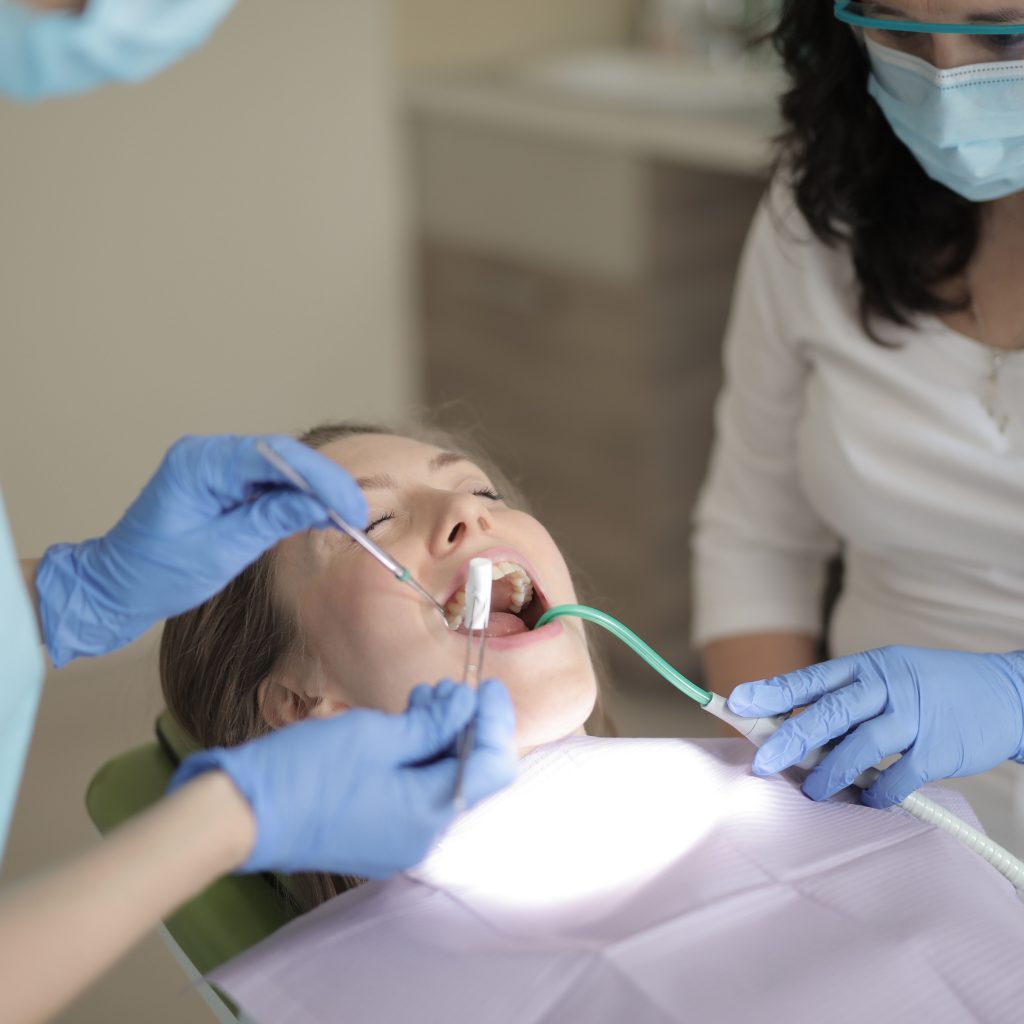
Services Not Covered by OHIP: Coverage outside Ontario follows OHIP rules, which means anything excluded at home is also excluded elsewhere. Uncovered services include cosmetic procedures, routine physiotherapy, and dental work. Private hospital rooms, take-home prescriptions, and paramedical services, such as chiropractic care, are also not included. Reciprocal billing only extends to the services that OHIP already covers.
Ambulance Service: This aspect often catches travelers off guard. Ambulance services are rarely included, whether you are in another province or another country.
Prescription Drugs: Many Ontarians overlook the issue of prescriptions until they need one while traveling. OHIP covers drugs administered in a hospital, but it does not cover medications obtained from an outside pharmacy, even within Canada. Travel insurance typically covers part of these expenses, so it’s wise to invest in a policy before leaving home.
Outside Canada –
The situation changes dramatically once you leave Canada. At the top of the list is doctor-recommended treatment abroad.
Sometimes, an Ontario doctor may recommend treatment available only outside Canada. In such cases, you must obtain prior written approval from the Ministry of Health before receiving any services. The required treatment must be unavailable in Ontario and must be medically accepted, not experimental.
Warning: If you skip this approval step without a genuine emergency, you will be held personally responsible for the entire cost of care.
Medical Emergencies While Traveling Abroad: Out-of-country coverage is strictly reserved for true emergencies, not general care. To qualify as an emergency, the illness or injury must be acute and unexpected, meaning it must develop while you are outside Canada, rather than following you from home. A flare-up of a chronic condition during your trip typically will not meet this requirement.
Emergency Care (Outside Canada): For emergency outpatient care abroad, OHIP pays the lower of $50 per day or the amount the hospital bills. In many countries, this amount only covers a small fraction of the actual cost. A single emergency room visit overseas can easily exceed $500, and OHIP reimbursement often falls short, leaving travelers to cover the remaining balance.
Hospital Stays (Outside Canada): OHIP covers up to $400 per day for operating room, ICU, or coronary care, and up to $200 per day for lower levels of care. Compared to actual hospital costs, especially in the United States, these figures are minimal. Multi-day admissions can leave travelers with thousands of dollars in unpaid medical bills.
To claim medical expenses incurred outside of Canada, keep all your bills and payment receipts. Once you are back home, file an out-of-country claim that includes itemized bills, admission and discharge dates, and a detailed description of the diagnosis and treatment received. Send the original receipts to the Ministry of Health by mail or email, and remember to keep copies of all submitted documents, as reimbursement checks can take weeks to arrive.
Things to Keep in Mind: OHIP eligibility depends heavily on your physical presence in Ontario, not just on paperwork. You must spend at least 153 days in Ontario within every 12 months to maintain standard coverage. Although there is no continuous tracking system for your movements, renewal forms, tax filings, and residency documents create a paper trail.
How to Maintain Coverage If You Plan to Stay Outside Canada for More than Seven Months: It’s quite simple. You can retain your OHIP coverage for up to two years by submitting proof of employment (if you are working abroad) or proof of education to ServiceOntario.
*****
Related posts


Read also