Middle East conflict intensifies concerns about discrimination against Muslim students in US schools
Educators warn that global military escalation may fuel classroom tensions and stereotyping
© File (AFP)
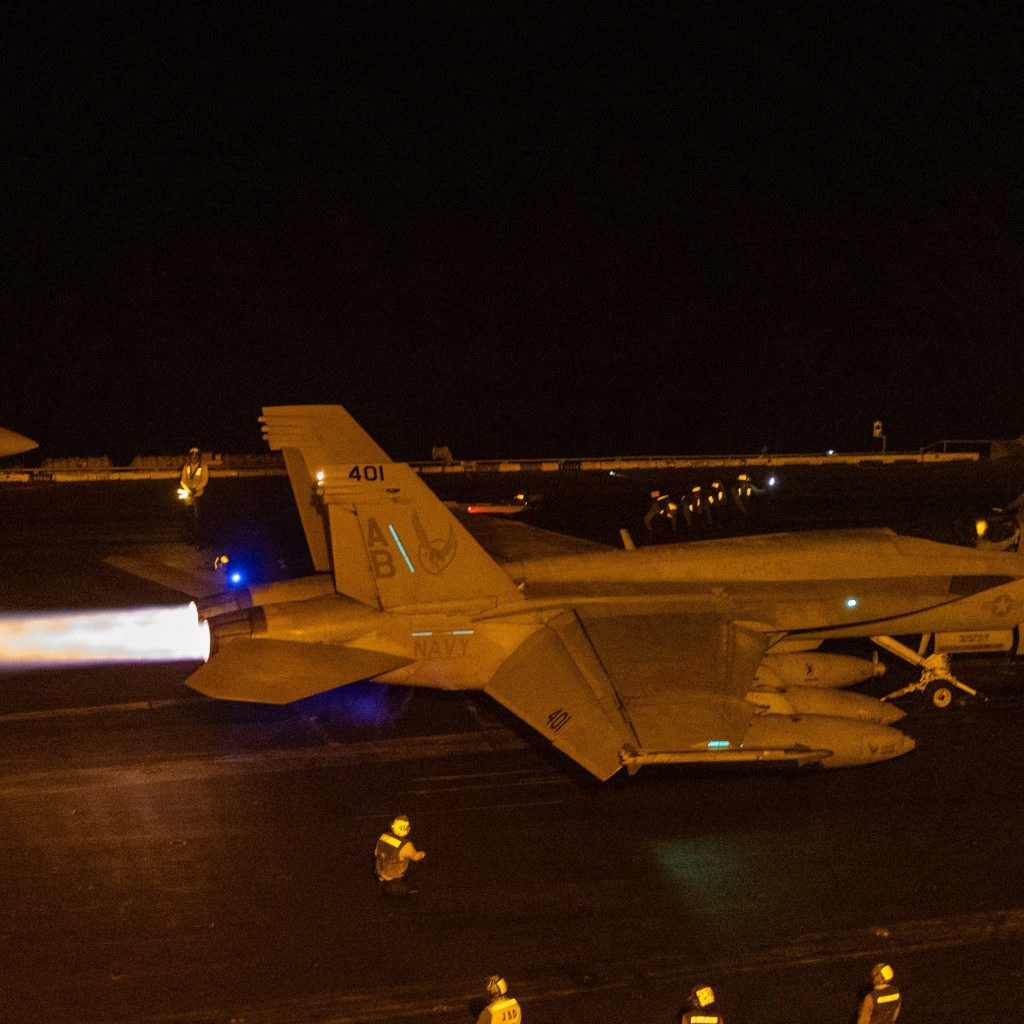
NEW YORK, United States (MNTV) – As military conflict escalates across the Middle East, educators and community leaders are raising concerns that American schools may become flashpoints for discrimination against Muslim and Arab students, repeating historical patterns from previous regional conflicts.
Researchers who study education dynamics during global crises note that schools often become sites where stereotyping intensifies when lessons lack historical context or reinforce broad generalizations about entire populations.
In Dearborn, Michigan, home to one of the largest Arab American communities in the United States, local institutions are taking additional security precautions. The Islamic Institute of Knowledge reported that threatening calls to community organizations increase during periods of Middle East military activity.
“When conflicts escalate, we see predictable patterns in how that manifests in schools and workplaces,” said Fouad Berry of the Islamic Institute of Knowledge. “Community leaders are preparing for increased tensions as the situation develops.”
Data from the Institute for Social Policy and Understanding shows that a large majority of Muslims in the United States report experiencing religious discrimination, with levels remaining persistently elevated in recent years according to civil rights organizations tracking such incidents.
Historical precedent exists for such concerns. Following the September 11, 2001 attacks, researchers documented significant increases in anti-Muslim and anti-Arab sentiment in schools and public spaces. After 2023 violence in Gaza, civil rights organizations reported spikes in hate incidents targeting Muslim and Arab Americans, including violent attacks.
Experts emphasize the role educators play in mitigating potential harms. Media literacy instruction, accurate historical context, and creating safe spaces for students affected by global conflicts are identified as critical protective factors.
“How teachers frame international conflicts shapes student understanding and responses,” said education researcher Dr. Michael Chen. “Accurate information and cultural competency are essential to preventing stereotyping and discrimination.”
The current escalation in Middle East tensions has already prompted some school districts to review curriculum materials and teacher training related to coverage of international conflicts, according to education administrators interviewed for this report.
As military operations continue, school officials across multiple states are monitoring the situation and assessing whether additional measures may be needed to ensure student safety and prevent discrimination.
Related posts


Read also