Mamdani backs progressive challengers in New York congressional primaries
Wading into primary fights while steering clear of leadership battles, NYC mayor balances ideological positioning with pragmatic ties
© AA
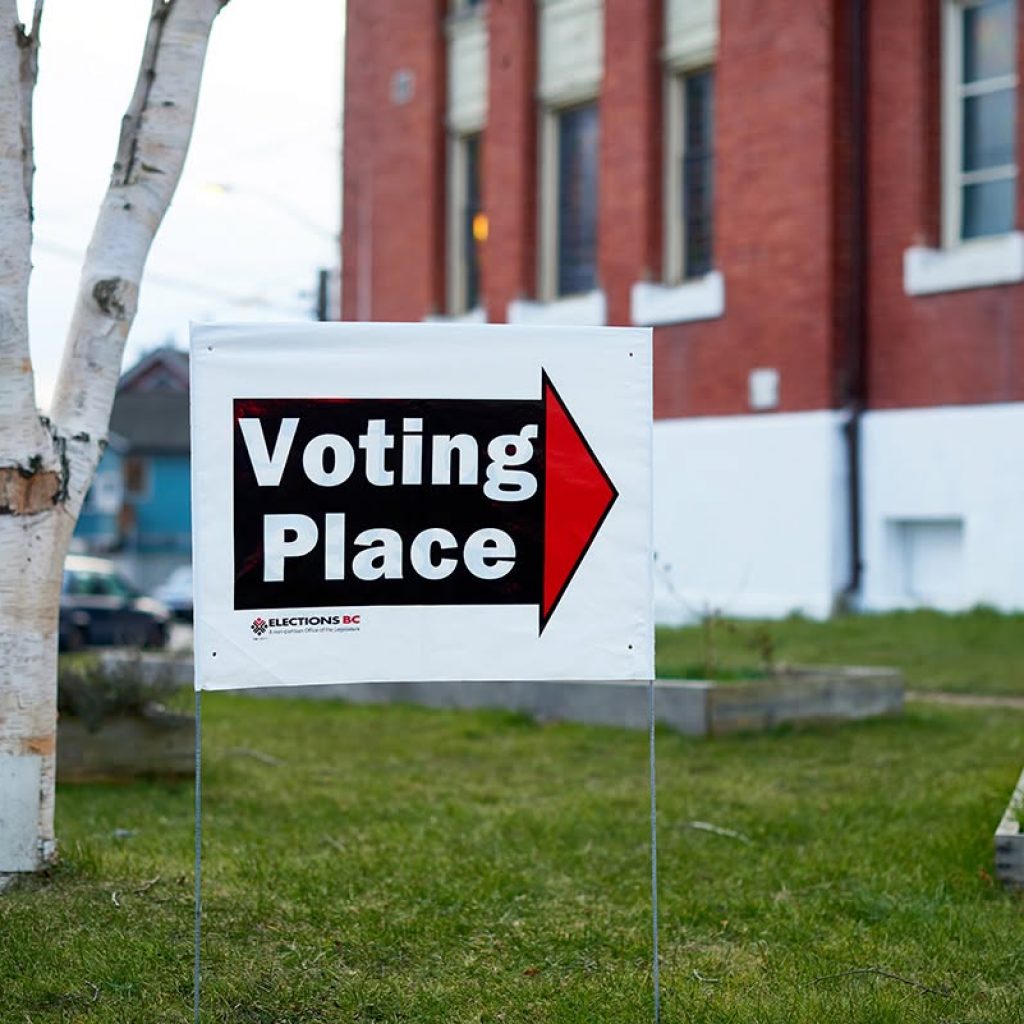
NEW YORK, United States (MNTV) — New York City Mayor Zohran Mamdani is moving early in his tenure to shape the city’s congressional delegation, making endorsements in closely watched Democratic primaries in an assertive bid to extend his influence beyond City Hall into federal politics.
Mamdani has backed several progressive challengers against sitting Democratic incumbents and establishment-aligned candidates — a move that has generated friction within parts of the party and raised questions about its cohesion.
His involvement is seen as an early test of whether his mandate in New York City can translate into durable political capital across other levels of government.
His positioning is tied to a broader governing agenda that includes cooperation with Governor Kathy Hochul on fiscal and social initiatives, such as a new tax on high-value second homes and an expansion of publicly funded childcare.
Those wins have strengthened his standing with progressives and given him a platform for more ambitious interventions.
The endorsement strategy has also exposed strains within the Democratic coalition. His support for challengers to Representatives Dan Goldman and Adriano Espaillat has proven especially contentious, given expectations that he would stand by incumbents who backed his mayoral campaign.
Some strategists read the move as a breach of the informal reciprocity that usually structures intra-party alliances.
Backing Brad Lander against Goldman aligns Mamdani with a progressive network that includes Senators Bernie Sanders and Elizabeth Warren.
But his support for Darializa Avila Chevalier against Espaillat has caused sharper friction, given Espaillat’s standing in the Congressional Hispanic Caucus and his earlier support for Mamdani’s mayoral bid.
The clash reflects competing definitions of alignment within the party.
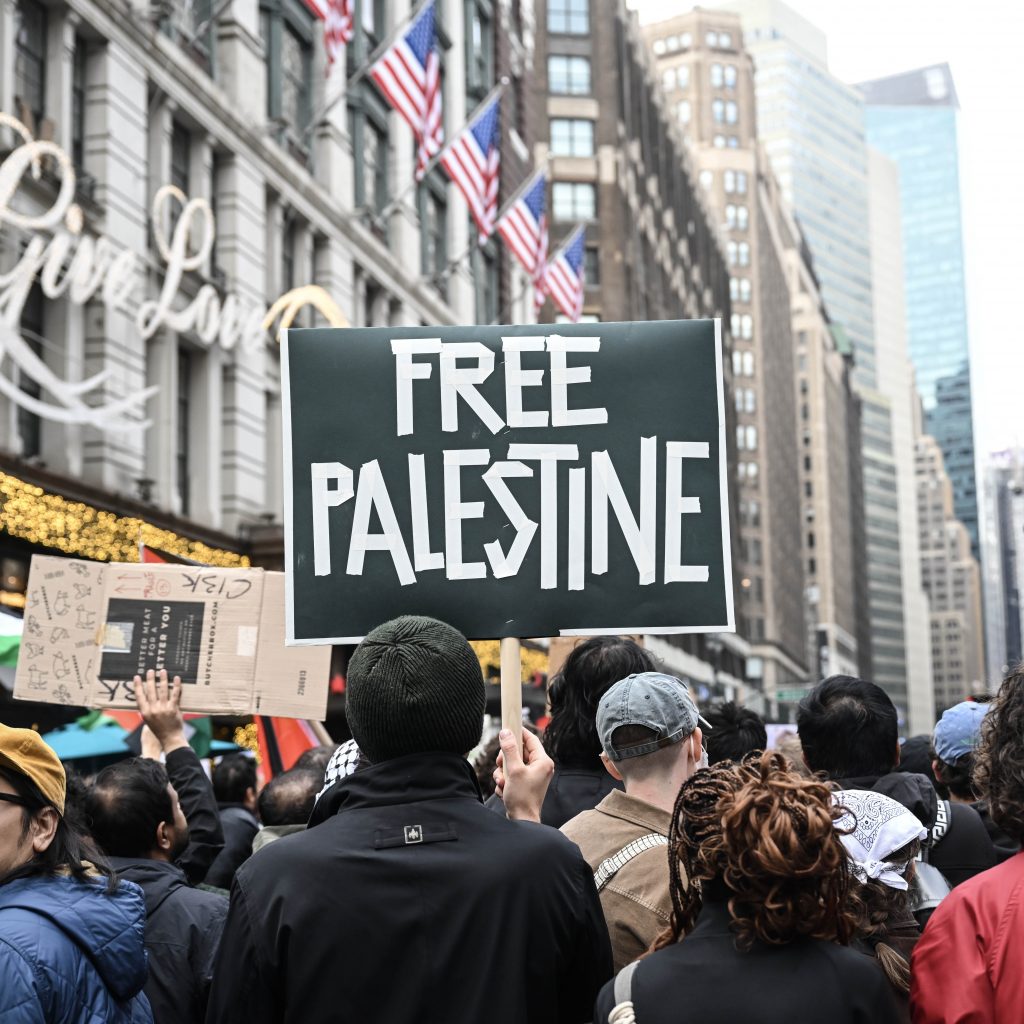
Espaillat’s camp emphasizes electoral performance and legislative record, while Mamdani’s stance leans toward the movement politics associated with the Democratic Socialists of America — a divergence that captures the structural tension between incumbency and insurgent progressivism.
By intervening in open contests while avoiding direct challenges to entrenched leaders such as House Minority Leader Hakeem Jeffries, Mamdani appears to be following a calibrated strategy: projecting influence while limiting confrontation with the institutional power centers he needs to govern.
Observers are split on the long-term implications. Some say Mamdani is taking calculated risks that could broaden his appeal among progressives without destabilizing core relationships; others warn that wading into contested primaries could hamper his ability to consolidate support across New York’s diverse Democratic electorate.
The results will offer an early measure of whether Mamdani’s political model can sustain influence beyond the city, or whether his role stays largely municipal.
The races also reflect a wider national struggle within the party over ideological direction, generational leadership, and the balance between activism and institutional continuity.

Read also